Oil Just Crossed ₹8,400 ($100) a Barrel Amid the Iran War, Here's What That Actually Means for Your Fuel and Grocery Bill
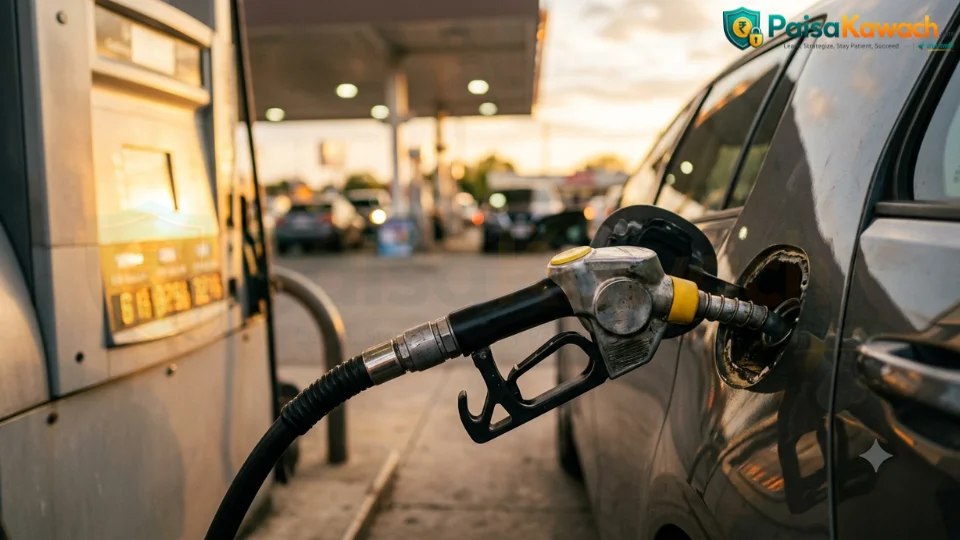
Brent crude just crossed ₹9,070 ($108) a barrel, its highest level since May, as fighting escalates in the Persian Gulf. If that sounds like a distant, abstract headline number that has nothing to do with your life, it isn't. Oil is one of the most directly wallet-connected commodities that exists, and a spike like this one has a fairly predictable, traceable path from a tanker in the Gulf to your fuel tank and your grocery bill.
The Headline Number
Brent Crude: ₹9,070 ($108)/Barrel
Highest level since May, driven by escalating conflict in the Persian Gulf
What's Actually Happening Right Now
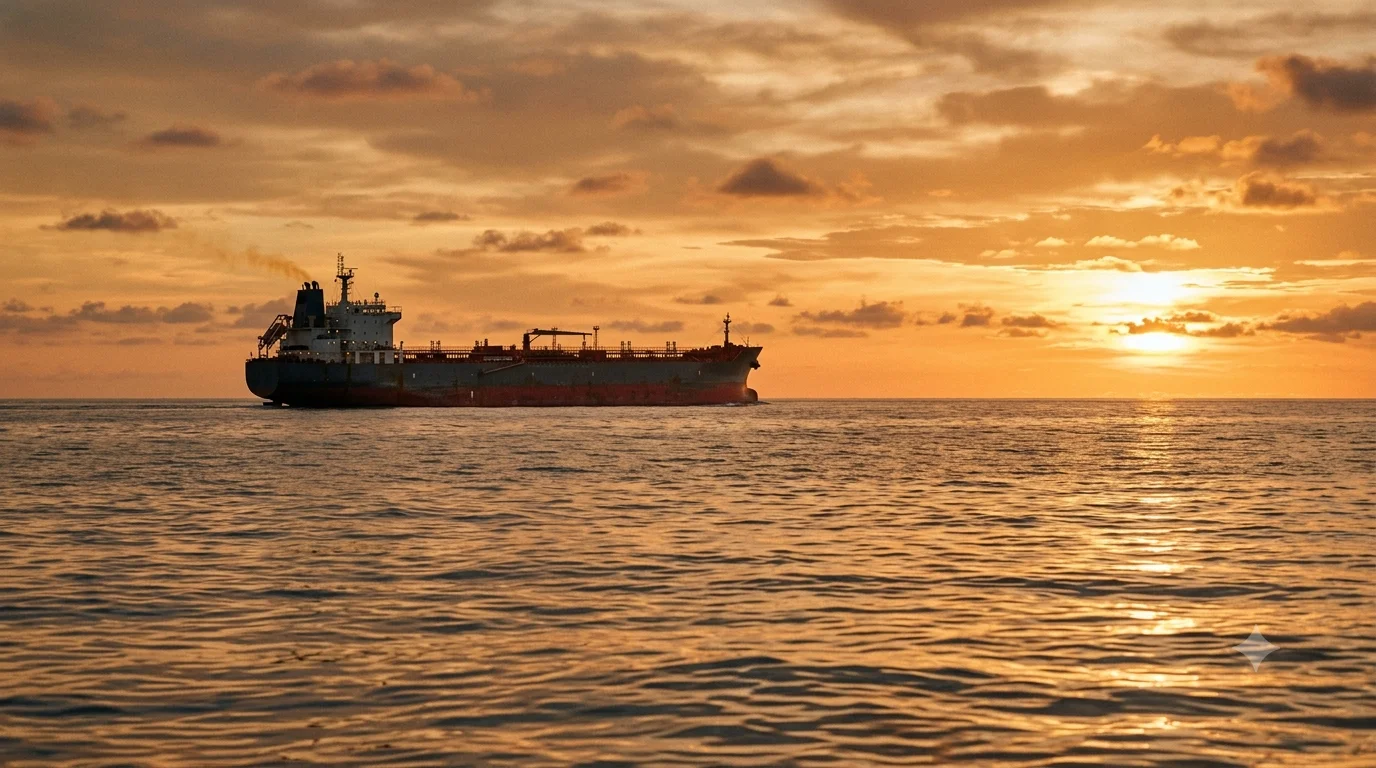
This isn't a routine market fluctuation. Iran's Houthi allies in Yemen have struck energy facilities in Saudi Arabia, Saudi Arabia's own crude production dropped sharply by roughly 1.9 million barrels a day in August, and Iran has reported strikes on US warships and tankers in the Persian Gulf, with the US striking back at Iranian tankers. Oil tanker insurance and shipping rates have jumped to record highs as a direct result.
Goldman Sachs has said $120 a barrel is now "plausible" if the conflict continues to escalate. For context, Brent's 52-week range has stretched from a low near $55 in December to a high near $119 in March, meaning today's $108 is already firmly in the upper part of that range, with real analyst commentary suggesting it could still climb further.
The Journey From a Tanker in the Gulf to Your Fuel Tank
Tap through each step to see exactly how a price spike thousands of miles away eventually shows up at your local pump.
tap to reveal
Attacks on tankers and energy facilities physically reduce how much oil can be safely produced and shipped, while insurance and shipping costs for the oil that does move rise sharply due to war-risk premiums.
tap to reveal
Refineries that turn crude oil into petrol and diesel now pay significantly more for their raw material. The IEA has already warned that the global refining system is "stretched to the limit," meaning there's little slack to absorb this cost quietly.
tap to reveal
Higher crude and refining costs get passed to fuel stations, and from there directly to you, every time you fill up. This is usually the fastest, most visible part of the chain, often showing up within days to a couple of weeks.
tap to reveal
Trucks moving groceries, delivery vans, cargo ships, all run on fuel whose cost just rose. That added transport cost gets folded into the price of nearly everything on a grocery shelf, arriving slower than pump prices, but touching far more of your monthly budget.
Why Diesel Matters Even More Than Petrol Here
This is the part most people miss entirely. While petrol price hikes get noticed immediately because you see them every time you fill your own car, diesel is the quieter, more consequential number for your grocery bill specifically.
Diesel has been described as the "secret killer" of household budgets during oil spikes, because it's the fuel that powers the trucks, trains, and cargo ships moving nearly everything you buy. A rise in diesel prices doesn't just cost more at one pump, it adds a small transport surcharge to almost every physical product in the supply chain, from vegetables to packaged goods to household essentials.
Why Some Prices Jump Fast and Others Lag Behind
Not everything reacts to an oil spike at the same speed, and understanding the difference helps you know what to expect, and when.
⚡ Fast Reaction (Days)
Petrol and diesel pump prices, air travel fuel surcharges, and anything priced directly off daily crude benchmarks tend to adjust quickly, often within one to two weeks of a sustained price move.
🐢 Slow Reaction (Weeks to Months)
Grocery prices, packaged goods, and anything with a longer supply chain and existing inventory take longer to reflect higher transport costs, since retailers are often still selling stock bought before the spike, at older transport-cost pricing.
How Big a Deal Is $108 a Barrel, Really?
Context matters here. Tap to see where today's price actually sits against recent history.
- 52-week low: around $55/barrel (December 2025)
- 52-week high: around $119/barrel (March 2026)
- Today: roughly $108/barrel, closer to the high end of the past year's range, not an all-time record, but a genuinely significant, fast move upward
What You Can Actually Do While Prices Stay Elevated
You can't control the price of oil, but a few practical habits reduce how much this spike actually costs you personally while it plays out.
The Bigger Picture
Oil crossing $108 a barrel isn't just a number for traders and analysts to watch, it's the first domino in a fairly short, well-understood chain that ends at your fuel gauge and your grocery receipt. With the IEA warning that the global refining system is already stretched thin, and analysts flagging $120 as a real possibility if the conflict continues, this is a genuinely live situation worth tracking, not because you can influence it, but because knowing what's coming, and roughly when, is the difference between being caught off guard by rising prices and simply expecting them.
Keep Reading: More Market News Insights

Comments
No comments yet. Be the first to comment!