
Average UPI Transaction Value Has Dropped to ₹326, Here's What That Actually Reveals About How India Spends Now
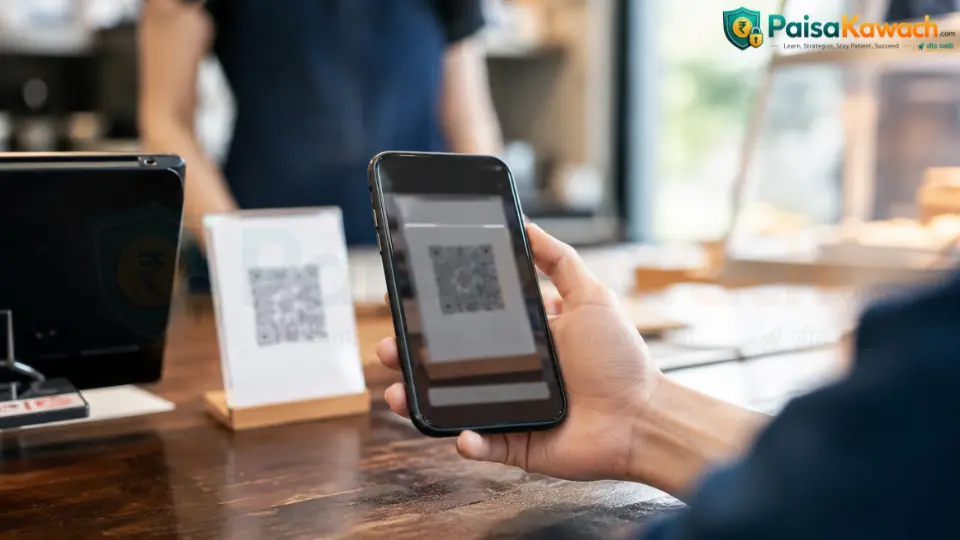
₹326 ($3.90). That's the new average value of a UPI transaction in India, according to recent industry data. A few years ago, that number was meaningfully higher. It's dropped, and it's dropped for a reason worth understanding, because it says something specific about how digital payments have changed the shape of everyday spending, not just the method.
This isn't a story about UPI failing or slowing down. Transaction volumes are at record highs. The average value falling while total volume rises means something very particular: people aren't using UPI less, they're using it for smaller and smaller things, more and more often.
The Headline Number
₹326 ($3.90)
Average value of a single UPI transaction in India today
What ₹326 ($3.90) Actually Buys
Numbers like this are easy to skim past without registering what they actually represent. Tap through a few everyday examples that sit right around this average.
tap to reveal
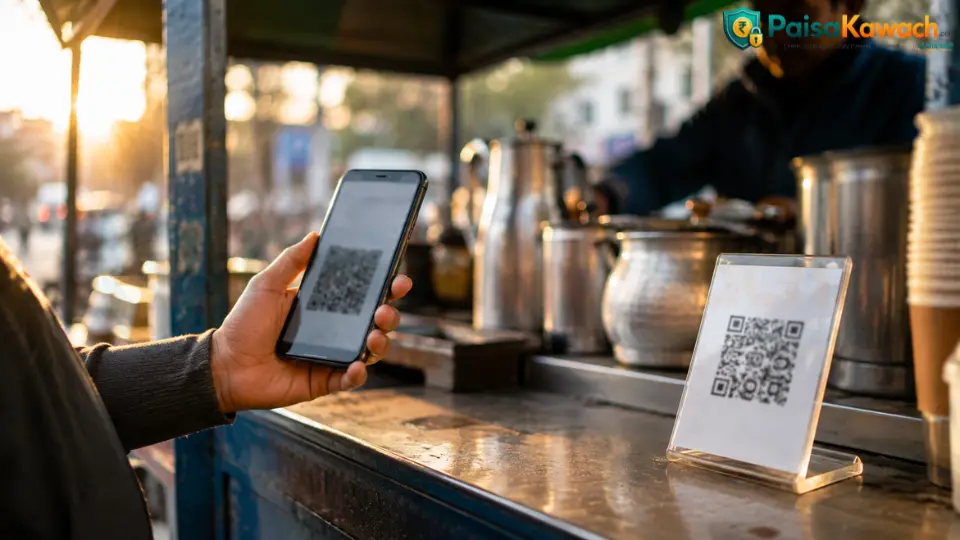
₹40-60 ($0.50-0.70), the kind of purchase that used to almost always be paid in loose change, now routinely scanned via QR code instead.
tap to reveal
₹80-150 ($0.95-1.80), squarely inside today's average transaction range, and almost never settled with cash anymore in most cities.
tap to reveal
₹200-350 ($2.40-4.20), a quick top-up buy rather than a full weekly shop, exactly the kind of purchase driving today's ₹326 ($3.90) average.
Why the Average Is Falling While Total Usage Keeps Rising
This pattern only makes sense once you separate two different numbers that are easy to confuse: total transaction volume, and average value per transaction. Both matter, and they're telling two different stories at once.
📈 Total Transaction Volume
Continues climbing to record monthly highs, more individual payments happening than ever before across the country
📉 Average Value Per Transaction
Falling to ₹326 ($3.90), meaning each individual payment is, on average, getting smaller
Rising volume plus falling average value means one specific thing: UPI has moved from being used mainly for meaningful, planned payments to being the default method for almost everything, no matter how small.
The Real Shift: Cash Has Quietly Lost Its Last Stronghold
For years, even as UPI grew rapidly, small everyday purchases remained one of the last places cash held on, the chai stall, the local vegetable vendor, the auto fare. These were considered "too small" or "too informal" for digital payment. That assumption has now clearly broken down.
- QR code setup costs nothing beyond a printed sticker, unlike card machines which required hardware and fees
- No need to keep change on hand or worry about counterfeit notes
- Instant payment confirmation removes the need to trust a customer's word on a "digital payment sent"
- Once one small vendor in a market adopted it, customer expectation pushed neighboring vendors to follow quickly
Why This Shift Actually Matters for How You Spend
This isn't just an interesting statistic about the economy, it has a direct, personal implication most people don't think about: the psychological friction that used to slow down small cash purchases has almost completely disappeared.
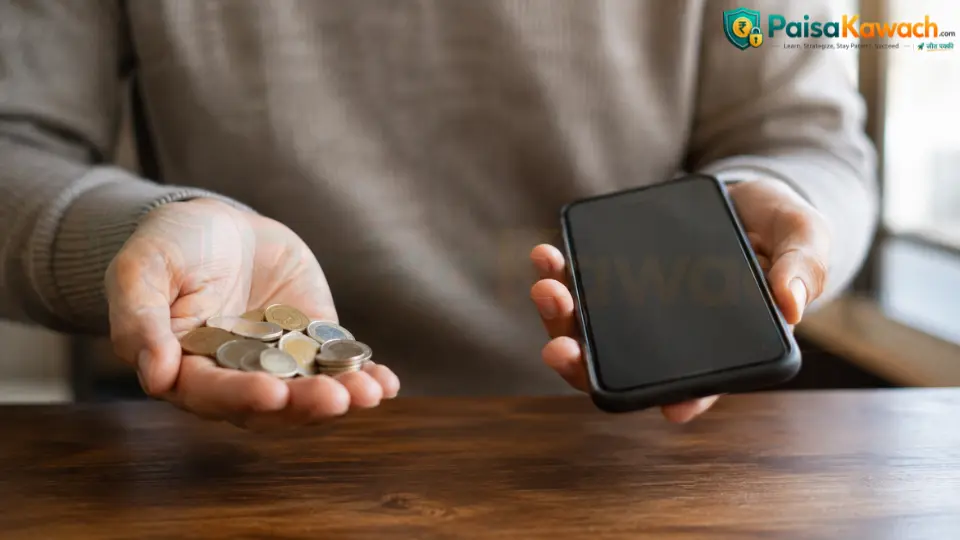
Cash Created a Natural Pause. UPI Doesn't.
Paying with physical cash required counting notes, watching your wallet visibly get thinner, and occasionally realizing you didn't have exact change, small moments of friction that, whether people consciously noticed or not, created brief pauses before a purchase. A UPI payment removes almost all of that: scan, tap your PIN, done, in under five seconds, with no physical sensation of money leaving your possession.
None of this means UPI is bad, it's genuinely one of the most useful financial infrastructure shifts in India in decades. But convenience without friction also means small purchases are easier than ever to make without registering them mentally, which is exactly why they're easy to lose track of.
What Falling Average Value Reveals About Everyday Spending Habits
A falling average transaction value, combined with rising total volume, points to a specific behavioral shift: more frequent, smaller, less-considered purchases, replacing fewer, larger, more deliberate ones. Individually, none of these ₹326 ($3.90) payments feel significant. Collectively, across dozens of transactions a month, they add up to a real, often underestimated share of monthly spending.
This Isn't a Call to Avoid UPI, It's a Call to Notice It
The goal here isn't to suggest going back to cash or avoiding small digital payments, that would be both impractical and unnecessary. UPI has made daily life genuinely more convenient, and that convenience is worth keeping. The point is narrower and more useful: understanding that the ease of small digital payments removes a natural spending checkpoint that cash used to provide, and knowing that gap exists is the first step to compensating for it deliberately, through occasional spend reviews rather than relying on the old, now-missing friction to do that job automatically.
The Bigger Picture
A number like ₹326 ($3.90) might look small and unremarkable at first glance. But it's actually a fairly precise fingerprint of how an entire country's daily financial behavior has shifted, away from occasional, considered cash transactions, toward constant, low-friction, easy-to-forget digital ones. Understanding what's behind that number is a genuinely useful way to understand your own spending patterns a little more clearly, even if nothing about how you pay ever changes.
Keep Reading: More Money Psychology Insights
 The Reason Financial Confidence and Financial Competence Are Rarely the Same Thing
Next →
The Reason Financial Confidence and Financial Competence Are Rarely the Same Thing
Next →
 Gen X Carries More Daily Debt Anxiety Than Any Other Generation, Here's Why the 'Sandwich Generation' Squeeze Is Getting Worse