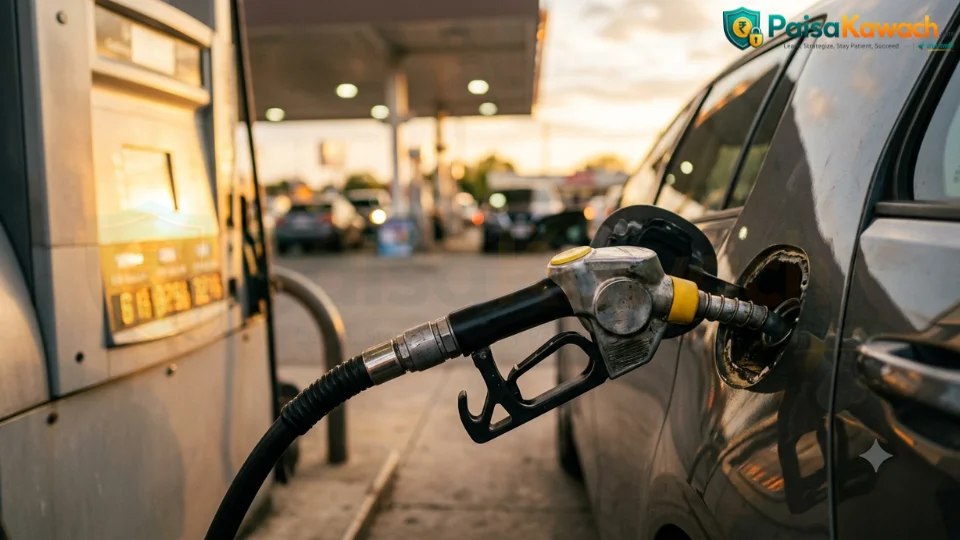
Car Payments Just Hit Record Highs Globally, Here's What That's Quietly Doing to an Entire Generation's Ability to Build Wealth

The average new car payment just hit ₹64,220 ($770) a month. That's not a one-off, it's a record, and it's climbed steadily for years running. Nearly 1 in 4 new-car buyers are now stretching their loan to 84 months or longer, seven years of payments, on a vehicle that will be worth a fraction of its original price long before the loan is even paid off.
This isn't a story about cars. It's a story about where an entire generation's future is quietly going, one monthly payment at a time, while feeling completely manageable the whole way through.

The Record
₹64,220 ($770)/Month
Average new car payment in 2026, an all-time high
How We Got Here: Four Forces, All Rising Together
Tap through each one. No single force alone would sting much, but stacked together, they've created the highest car payments ever recorded.
tap to reveal
The average new car now costs roughly ₹41.2 lakh ($49,353), about 30% higher than in 2020. Automakers shifted toward higher-end, more profitable models after the chip shortage, and prices never came back down.
tap to reveal
Average APR sits around 6.56% for new cars and 11.4% for used ones. Borrowing itself now costs meaningfully more than it did just a few years ago, on top of an already bigger loan amount.
tap to reveal
Average down payments have sunk to a 4-year low, roughly ₹4.8 lakh ($5,815) on new cars. Less money down at the start means a bigger loan carried for the entire life of the payment.
tap to reveal
Almost 31% of trade-ins now carry negative equity, owing more than the car is worth, at a record average shortfall of ₹5.98 lakh ($7,183). That leftover debt gets rolled into the next loan, so buyers start already behind, again.
The Trick That's Hiding the Real Cost: Stretching the Loan
Nearly a quarter of new-vehicle buyers are now on loans of 84 months or longer, seven years or more. This is the single biggest reason record-high car prices still feel "affordable" month to month, and it's also exactly why this trend is so dangerous.
Stretching a loan doesn't reduce what you pay, it disguises it. A longer loan lowers the monthly number just enough to feel manageable, while dramatically increasing total interest paid and guaranteeing you'll owe more than the car is worth for years, sometimes the entire loan term.
The Real Cost: What ₹64,220 ($770) a Month Actually Means Over Time
This is the number almost nobody calculates. Tap to see what this payment actually adds up to, and what it could have become instead.
🚗 7 Years of ₹64,220 ($770) Car Payments
₹53.9 Lakh ($64,680) PaidTotal paid over an 84-month loan, on an asset that's lost most of its value long before the last payment
📈 Same Amount, Invested Monthly Instead
₹79+ Lakh ($95,000+)Rough value after 7 years at a realistic average market return, if that same monthly amount had gone into investments instead of a depreciating car
Why This Is Quietly Reshaping a Generation's Wealth
Auto loans now total ₹1.4 trillion+ ($1.685 trillion) in outstanding debt in the US alone, up 57% from just a decade ago. That's money that isn't going into retirement accounts, emergency funds, or investments, it's going into monthly payments on an asset that loses value every single day it's owned.
Younger buyers typically have less saved for a down payment and shorter credit histories, meaning they're more likely to finance more, pay higher interest rates, and roll negative equity forward, exactly the combination that turns one car purchase into years of compounding financial disadvantage at precisely the life stage when time and compounding could otherwise be working hardest in their favor.
The Part Worth Saying Directly
The Real Point of This Entire Article
Car showoff, or any showoff, is not even worth 1% of the time, compared to mental peace and money saved in the bank for your family's future.
A car in the driveway is visible to everyone. A healthy savings account, an emergency fund, a growing investment portfolio, none of that is visible to anyone. But one of these things determines whether your family has options when life goes sideways, a job loss, a medical emergency, a genuine opportunity that requires cash. The other just determines what people glance at for two seconds in a parking lot.
Nobody remembers or cares what car you drove five years ago. Your own family's financial security, ten and twenty years from now, is the only audience that actually matters, and it's the one audience a showoff purchase never actually serves.
What Actually Makes Financial Sense Instead
The Bigger Picture
Record car payments aren't just a personal finance statistic, they're a quiet, ongoing transfer of an entire generation's future wealth into depreciating metal and record interest payments, dressed up as a monthly number that feels manageable. The car isn't the problem. The showoff instinct behind buying more car than you need, stretched over more years than makes sense, is. And no amount of admiring glances in a parking lot will ever be worth what that same money, saved and invested instead, could have quietly built for your family's actual future.
Keep Reading: More Money Psychology Insights

Comments
No comments yet. Be the first to comment!