Top International News Today: Oil Prices Rise, FIFA World Cup Knockout Stage Begins, Southeast Asia Strengthens Regional Cooperation
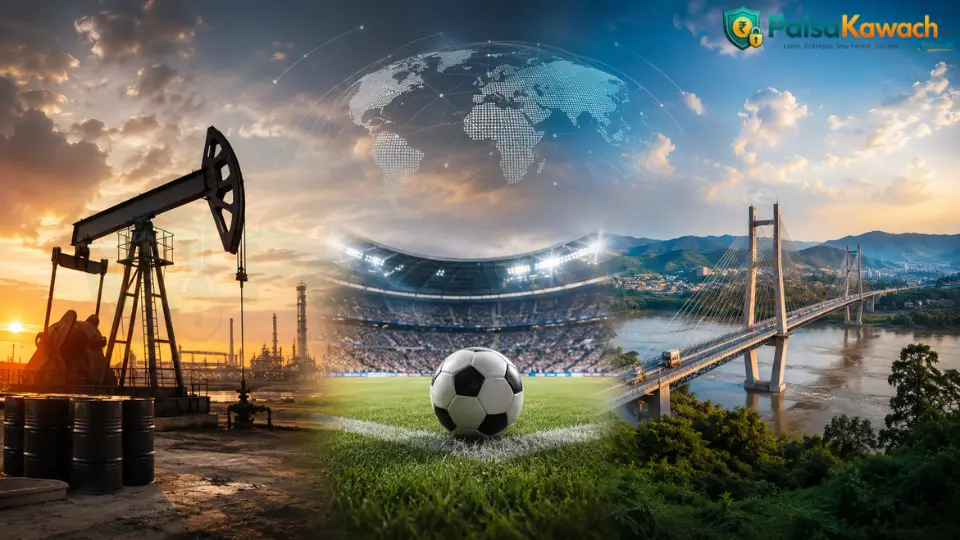
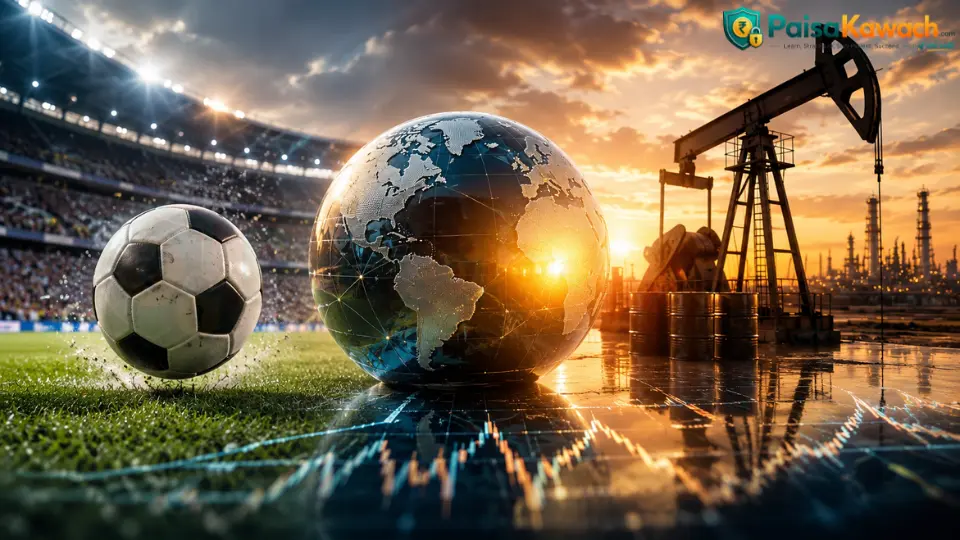
International developments on July 1, 2026, highlighted the close relationship between geopolitics, global markets, sports, and regional diplomacy. Financial markets remained focused on rising crude oil prices after renewed tensions between the United States and Iran. Meanwhile, millions of football fans around the world turned their attention to the 2026 FIFA World Cup as the tournament officially entered the knockout stage. At the same time, Southeast Asian countries continued efforts to improve regional cooperation through discussions aimed at strengthening border security, trade, infrastructure, and long-term economic development. Together, these stories demonstrate how political decisions, international sporting events, and regional partnerships continue to influence economies and public sentiment across the globe.
Oil Prices Climb Following Renewed U.S.-Iran Tensions
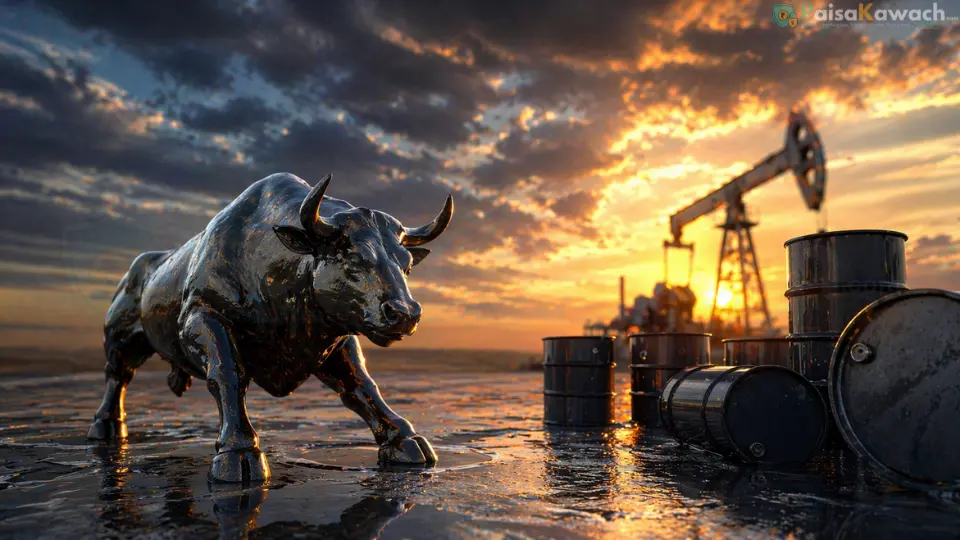
Global energy markets witnessed renewed volatility after Iran rejected direct peace negotiations with the United States, increasing concerns about future geopolitical stability in the Middle East. The development pushed international crude oil prices above the $73 per barrel mark as traders evaluated the possibility of future disruptions to global oil supplies.
The Middle East remains one of the world's most important oil-producing regions, supplying a significant portion of global energy demand. Whenever diplomatic relations deteriorate or geopolitical uncertainty increases, financial markets often react quickly by pricing in the possibility of supply disruptions. Although no immediate interruption to production has been reported, investors remain cautious because even the perception of heightened risk can influence commodity prices.
Higher oil prices can affect nearly every sector of the global economy. Transportation companies face increased fuel costs, manufacturers experience higher production expenses, airlines may encounter rising operating costs, and consumers could eventually pay more for goods and services. Central banks also monitor energy prices closely because sustained increases in crude oil often contribute to higher inflation, potentially influencing future monetary policy decisions.
Why Energy Markets Are Watching Closely
Energy analysts believe that market participants will continue monitoring diplomatic developments between the United States and Iran over the coming weeks. Investors are particularly interested in whether negotiations resume or whether tensions continue to rise. Any significant change could directly influence oil prices and investor sentiment across global financial markets.
- Crude oil prices moved above $73 per barrel.
- Geopolitical uncertainty remains a major driver of commodity markets.
- Higher energy prices may contribute to inflation in several economies.
- Transportation and manufacturing industries are among the most affected sectors.
- Global investors continue monitoring diplomatic developments in the Middle East.
2026 FIFA World Cup Enters the Knockout Stage
The world's biggest football tournament reached another major milestone as the 2026 FIFA World Cup officially entered the Round of 32. Following an exciting group stage featuring competitive matches, surprise results, and standout individual performances, the tournament now shifts into the elimination phase where every match becomes decisive.
The expanded 48-team format has brought greater diversity to the competition, allowing more nations to participate on football's biggest stage. Fans from around the world are following every match closely as countries compete for a place in the later rounds and ultimately the World Cup title.
Several high-profile fixtures are scheduled today, including matches involving the United States, England, Belgium, Mexico, Ecuador, Senegal, Bosnia & Herzegovina, and DR Congo. These matches are expected to attract massive television audiences and generate significant online engagement across social media platforms.
The World Cup is not only a sporting event but also an important economic driver. Host cities continue benefiting from tourism, hospitality, transportation, retail spending, and global media exposure. Businesses associated with sports broadcasting, sponsorships, merchandising, and advertising also experience increased activity throughout the tournament.
Global Interest Continues to Grow
The knockout stage traditionally attracts the largest global audiences because every match determines whether a team advances or is eliminated. Players face increased pressure, while supporters eagerly anticipate dramatic finishes, penalty shootouts, and memorable performances.
- The tournament has officially entered the Round of 32.
- Several high-profile international matches are scheduled today.
- The expanded 48-team format continues to generate worldwide interest.
- Host cities are benefiting from tourism and increased business activity.
- Broadcasting and sponsorship revenues remain strong throughout the tournament.
Southeast Asian Nations Deepen Regional Cooperation
In Southeast Asia, Cambodia, Laos, and Vietnam continued discussions on strengthening trilateral cooperation through enhanced border management, infrastructure development, regional security, and economic collaboration. The initiative reflects growing recognition that neighboring countries can achieve stronger economic growth by improving coordination and reducing barriers to cross-border trade.
Regional cooperation has become increasingly important as governments seek to improve transportation networks, facilitate investment, strengthen supply chains, and promote sustainable development. Improved border management can also help reduce illegal activities while making legitimate trade and travel more efficient.
The discussions emphasize long-term collaboration rather than short-term political objectives. By investing in infrastructure and improving regional connectivity, participating nations hope to attract greater foreign investment and create new opportunities for businesses operating throughout Southeast Asia.
Economic partnerships among neighboring countries often encourage greater stability by increasing trade, improving communication, and promoting shared development goals. Such initiatives can also strengthen resilience against future economic challenges by expanding regional markets and improving logistical connections.
Long-Term Regional Benefits
Analysts believe stronger regional cooperation can improve economic competitiveness while supporting infrastructure modernization and sustainable development across Southeast Asia. Continued dialogue between participating nations is expected to strengthen long-term partnerships.
- Border security cooperation is expected to improve.
- Infrastructure and transportation projects remain a priority.
- Cross-border trade could become more efficient.
- Regional investment opportunities may continue expanding.
- Long-term cooperation supports economic stability and development.
Global Outlook
The three major international developments on July 1, 2026, demonstrate how interconnected today's world has become. Geopolitical developments influence commodity prices and financial markets, international sporting events generate significant economic activity and global engagement, while regional diplomatic initiatives help shape long-term economic growth and political stability.
Investors will continue monitoring oil prices and geopolitical developments in the Middle East, businesses will watch energy costs and consumer demand, football fans will follow the FIFA World Cup knockout matches with excitement, and policymakers across Asia will observe progress in regional cooperation initiatives. Together, these developments provide valuable insight into the political, economic, and social forces shaping the global landscape during the second half of 2026.
As these stories continue to evolve, governments, businesses, investors, and consumers alike will remain focused on their potential impact on international markets, trade, diplomacy, and economic growth. Future developments in these areas are expected to remain among the most closely watched global news stories in the days ahead.
Keep Reading: More Insights You Might Like
 Market Today: Nasdaq Jumps on Nvidia’s AI Breakthrough, Consumer Confidence Slips | June 30, 2026
Next →
Market Today: Nasdaq Jumps on Nvidia’s AI Breakthrough, Consumer Confidence Slips | June 30, 2026
Next →
 Top International News Today: USA Reaches World Cup Round of 16, Oil Prices Fall on Diplomatic Progress, England Completes Dramatic Comeback
Comments
No comments yet. Be the first to comment!