RBI Is Rolling Out Plastic ₹10 and ₹20 Notes, Here's Why and What It Actually Means for You
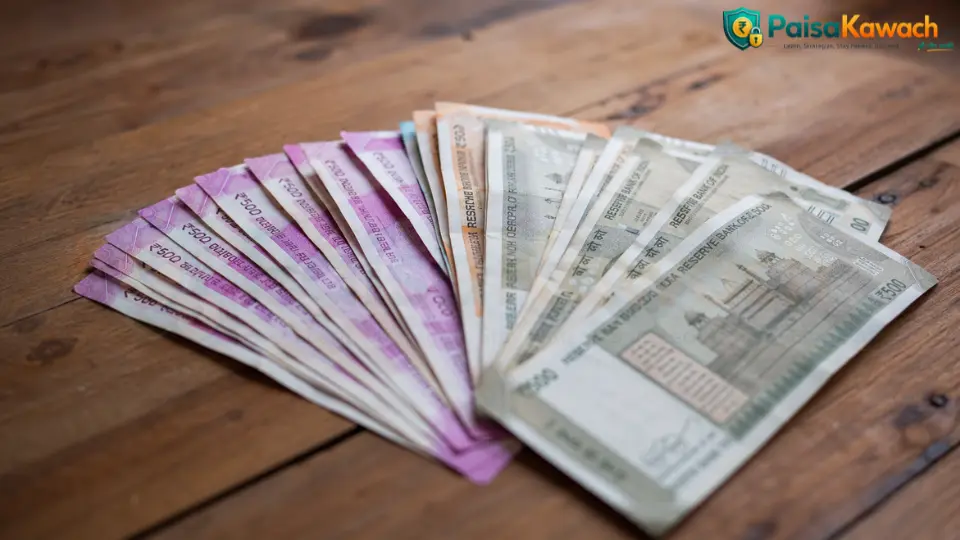
Reach into your wallet right now and pull out a ₹10 or ₹20 note. Chances are it's soft, slightly crumpled, maybe a little torn at the edge, possibly held together with old tape at some ATM counter somewhere. That's about to change, at least for a small pilot batch of notes.
The Reserve Bank of India has confirmed it will roll out India's first polymer, or "plastic," currency notes, starting with the ₹10 and ₹20 denominations. This isn't a rumor or an early-stage proposal anymore, it's an announced, funded pilot program with real production already underway.
The Announcement
India's First Polymer Notes: ₹10 and ₹20
Pilot rollout targeted for the start of the next financial year
What RBI Actually Announced
The Reserve Bank of India is set to introduce India's first polymer, or "plastic," currency notes at the beginning of the next financial year, with ₹10 and ₹20 denominations leading the pilot rollout. RBI Governor Sanjay Malhotra confirmed the timeline after a Monetary Policy Committee meeting, stating that the project has reached the pilot stage, with initial circulation focused on lower denomination notes, the ones that pass through the most hands and wear out fastest.
The government has approved printing two billion polymer notes for this pilot phase, and RBI has already floated a tender to procure the specialised polymer substrate needed for production. This is a genuinely funded, in-motion program, not just a proposal on paper.
The plan is to introduce one billion pieces each of ₹10 and ₹20 polymer banknotes for field trials, followed by regular issuance in these two denominations after successful completion of the trials. Lower denominations were chosen first specifically because they see the highest frequency of use and the most physical wear.
Why RBI Is Doing This At All
This isn't a cosmetic upgrade. There's a specific, practical problem polymer notes are meant to solve: durability. RBI Governor Malhotra explained that polymer notes serve two purposes, one being enhanced durability, which matters most for lower-denomination notes that circulate at the highest velocity. These notes have been in circulation for more than 30 years in various other countries, and their lifespan tends to run around two to four times longer than paper currency.
The Real Cost Problem Behind Paper Currency
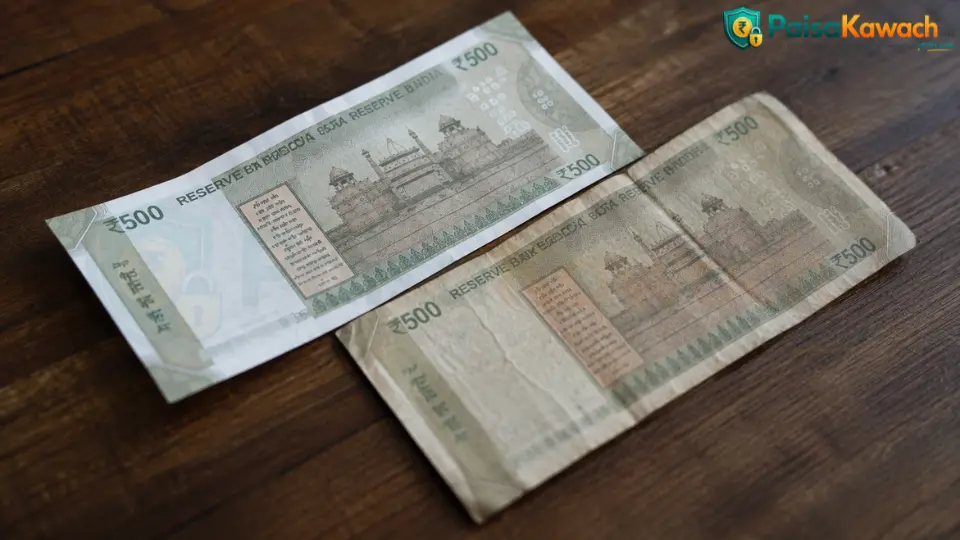
Every worn-out, torn, or soiled ₹10 note in circulation eventually has to be pulled out, verified, and destroyed, then replaced with a freshly printed one. Lower denomination notes, precisely because they change hands constantly, wear out the fastest and need replacing most often. A note that lasts 2-4x longer means dramatically fewer reprints, less production cost over time, and fewer damaged notes clogging up ATMs and bank counters.
tap to reveal
Unlike conventional cotton-based paper notes, polymer banknotes are more resistant to moisture, dirt and tearing, making them significantly more durable, especially useful in India's varied and often humid climate.
tap to reveal
Polymer substrates allow for more advanced, harder-to-replicate security features compared to paper, making counterfeiting significantly more difficult, one of the practical benefits driving adoption in other countries.
tap to reveal
Polymer notes aren't experimental technology. Australia was the first country to adopt them in 1988, and they're now used in more than 20 countries worldwide, including New Zealand, Sri Lanka, Malaysia, and Hong Kong.
Will Your Old Paper Notes Stop Working?
This is the question almost everyone jumps to first, and the answer is straightforward: no.
Direct Answer
Paper notes remain fully legal tender
Polymer and paper notes will circulate side by side during the pilot phase
The RBI has made clear that conducting the pilot doesn't mean paper money will be withdrawn immediately. During the pilot, both polymer currency notes and the currently used paper currency notes will be in circulation together. This mirrors how RBI has historically handled note transitions in the past, old series notes stay valid even after new ones are issued, avoiding any repeat of the disruption seen during demonetisation.
Why a Pilot First, Not a Full Rollout
The polymer notes will first undergo extensive field testing to evaluate their durability and adaptability to India's varied climatic conditions before any wider rollout is considered. The decision to expand the programme will depend entirely on the outcome of these pilot trials. In practice, that means the ₹10 and ₹20 polymer notes may show up in select regions or circulation pathways well before ordinary paper notes are phased down anywhere.
What This Actually Means for You, Practically
For most people, day-to-day usage won't change much, at least initially. A polymer ₹10 or ₹20 note will spend the same way a paper one does, at the same face value, accepted anywhere the paper version currently is.
Why Lower Denominations Went First
It might seem odd that RBI is starting with ₹10 and ₹20 rather than higher-value notes, but this is a deliberate, well-reasoned choice, not a random pick.
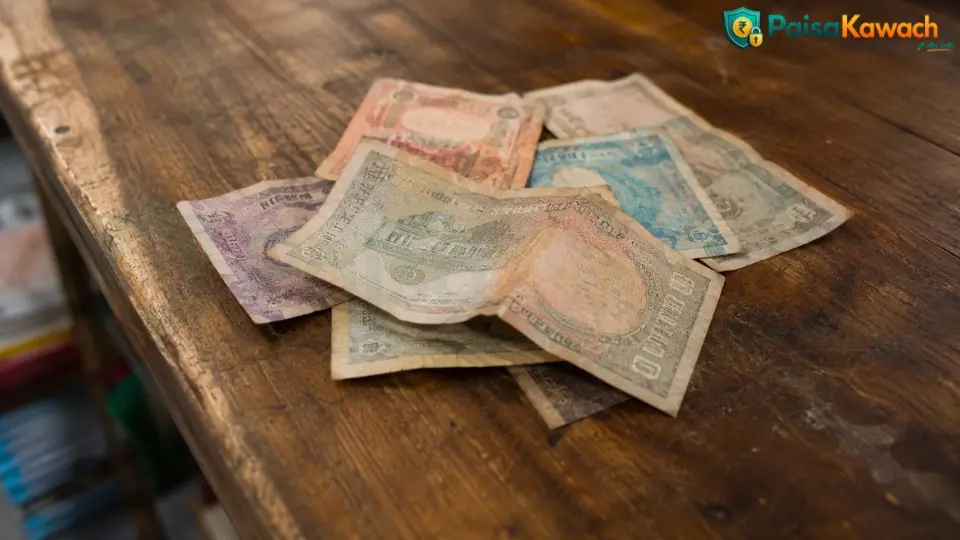
Lower denomination notes change hands far more often than higher ones, a ₹10 note might get used in dozens of small transactions a week, while a ₹500 note often sits in a wallet or bank far longer between uses. This higher "velocity" of circulation is exactly why lower denominations wear out fastest, and exactly why they were chosen to test durability improvements first.
A Familiar Global Pattern
This mirrors how most countries that have already adopted polymer currency approached their own rollouts, starting with lower-value, high-circulation notes before expanding to the full currency range. It allows the central bank to catch and fix any practical issues, machine compatibility, public acceptance, durability under local conditions, on the smallest, lowest-risk denominations first.
What Happens Next
The pilot itself is the next milestone to watch. The programme's expansion depends entirely on how the field trials perform across India's varied climatic conditions, humid coastal regions, dry northern winters, and everything in between. If the pilot performs well, expect RBI to announce a broader rollout timeline and possibly additional denominations. If durability or handling issues emerge, expect delays or adjustments before any wider release.
1) Polymer ₹10 and ₹20 notes are a genuine, funded RBI pilot, not a rumor. 2) Your existing paper notes remain 100% valid, no action needed. 3) Both note types will circulate together during the trial, with a wider rollout depending entirely on how the pilot performs.
The Bigger Picture
This shift is less about changing how money looks and more about fixing a genuine, ongoing cost and durability problem that's existed in India's cash system for decades. Every torn, faded ₹10 note you've ever handled represents real replacement cost somewhere in the system. If the pilot succeeds, the eventual payoff isn't just cleaner-looking currency, it's a meaningfully more efficient, more durable cash system, starting with the notes that need it most.
Keep Reading: More Gen Z Finance Insights
 The 'Save the Difference' Method: How Daily Small Gaps Turn Into Real Wealth Over Years
Next →
The 'Save the Difference' Method: How Daily Small Gaps Turn Into Real Wealth Over Years
Next →
 Gen Z Trusts a Stranger on TikTok 3x More Than an Ad, Here's the Psychology Behind Why 'Authentic' Beats 'Polished'