
Gen Z Trusts a Stranger on TikTok 3x More Than an Ad, Here's the Psychology Behind Why 'Authentic' Beats 'Polished'
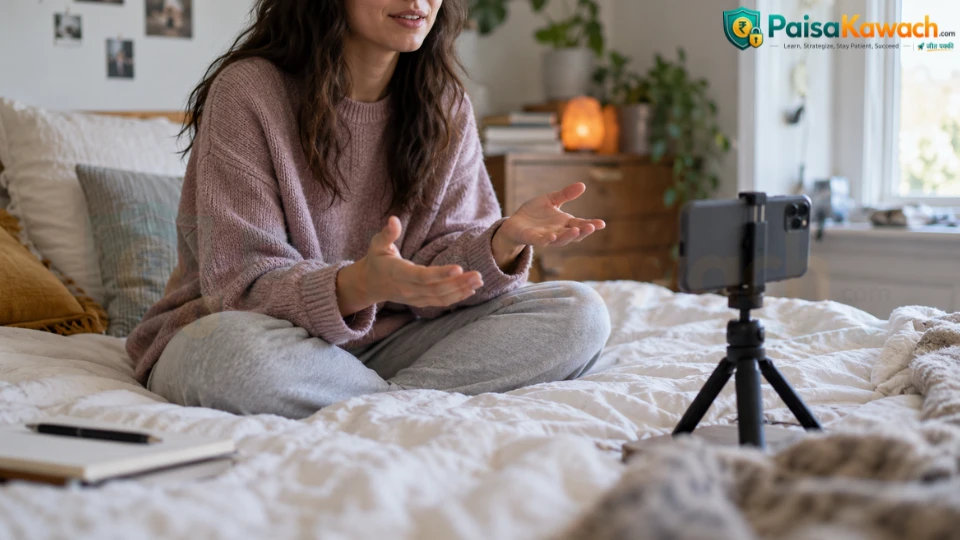
A brand spends months and serious money producing a polished, professional ad. A random person films a 40-second video in their bedroom, bad lighting, no script, saying "okay this is actually so good, I'm obsessed." Gen Z is 3.1 times more likely to buy because of the second one.
Not slightly more likely. Three times more likely. A stranger with a phone camera and zero production budget consistently outperforms professionally shot, expensively made advertising. That's not a fluke, and it's not because Gen Z doesn't notice the difference in quality. It's because the difference in quality is exactly what makes the ad less trustworthy, not more.
The Number
3.1x More Likely
To buy from a creator recommendation than a traditional paid advertisement
The Trust Gap, Visualized
Tap each side to see exactly how differently Gen Z weighs these two sources, even when they're recommending the exact same product.
📺 Traditional Paid Ad
22%Purchase likelihood from a professionally produced, brand-created advertisement
📱 Creator Recommendation
67%Purchase likelihood from a creator they actually follow, recommending the same type of product
This isn't a small preference. It's a fundamental restructuring of what "credible" even means to an entire generation, and it flips almost everything traditional advertising was built on.
Why Polish Now Reads as a Red Flag, Not a Reassurance
For decades, high production value signaled legitimacy, a big budget meant a big, trustworthy company. Gen Z grew up watching that exact signal get weaponized by scams, misleading ads, and manufactured hype, and their trust calibration adjusted accordingly.
A polished ad triggers an almost instant, subconscious question: "what are they hiding behind all this production?" A shaky, unedited video triggers the opposite reaction: "this looks too imperfect to be fake." Neither reaction is fully conscious or rational, it's a trust heuristic built from years of exposure to exactly which format tends to be honest versus manipulative.
Tap Through the Four Real Psychological Mechanisms at Play
This isn't one single effect. It's several distinct psychological patterns stacking together every time a "stranger on TikTok" outperforms a professional campaign.
tap to reveal
Gen Z consumers trust content from peers 4.3 times more than brand-created content. A creator, especially a small one, is coded mentally as "someone like me," while a brand is coded as "someone selling to me," two completely different starting points for trust.
tap to reveal
Research consistently shows micro-influencers with smaller, niche audiences drive better engagement than mega-celebrities, largely due to perceived authenticity. A creator with 8,000 followers feels reachable and honest; one with 8 million starts to feel like a brand themselves.
tap to reveal
Bad lighting, stumbled words, an unscripted "wait let me show you again", these imperfections function as unconscious proof that the content wasn't manufactured by a marketing team, even when, ironically, some of it actually is.
tap to reveal
Gen Z grew up with more advertising exposure than any generation before them, and correspondingly developed faster, more automatic filtering of anything that visually reads as "an ad," regardless of the actual message inside it.
The Genuinely Important Twist: "Authentic" Doesn't Always Mean Honest
Here's where this psychology gets genuinely important to understand, not just interesting. The visual signal of authenticity, imperfect lighting, unscripted tone, casual delivery, is completely separable from whether the recommendation itself is actually genuine, unpaid, or accurate.
A sponsored post can be filmed to look exactly like an unsponsored, spontaneous opinion. The "authentic" aesthetic is a style choice, not a guarantee of honesty. Gen Z's trust instinct correctly identifies polish as a red flag, but it can be, and often is, replicated deliberately by creators and brands who understand this exact psychology.
What This Means for Actual Spending and Saving
This trust dynamic isn't just a marketing curiosity, it has real, measurable financial consequences. Research specifically tracking social media's effect on Gen Z spending found that a meaningful share report increased monthly spending directly tied to this kind of content, and notably, finance and investment content specifically showed a documented trend toward decreased saving behavior among viewers.
Ironically, the same "authentic, relatable" trust signal that makes a skincare recommendation feel genuine also applies when a creator casually mentions a trade they made, a purchase they don't regret, or a lifestyle upgrade, normalizing spending decisions by presenting them the same low-key, trustworthy way as any other piece of "honest" content, even when the underlying advice or example isn't actually sound for the viewer's own situation.
This Isn't About Distrusting Every Creator
None of this means every creator recommendation is manipulative or that Gen Z's instinct is wrong to value peer-level authenticity over corporate polish, in many ways, that instinct is a reasonable response to decades of manipulative traditional advertising. The goal isn't reversing the trust, it's adding one small check before it converts into a purchase.
The Bigger Shift This Represents
What's really happening here is a full transfer of trust infrastructure, away from institutions, brands, and traditional advertising, toward peer networks and perceived relatability. That shift isn't inherently good or bad, it's simply the new terrain Gen Z is navigating financial and consumer decisions within, whether that's a skincare product, a stock tip, or a spending habit picked up from someone who felt like a friend rather than a marketer.
Understanding why the trust gap exists, imperfection reads as honesty, peer-coding beats brand-coding, is the first step to keeping the good part of this instinct, healthy skepticism toward manipulative advertising, while adding back a layer of scrutiny that "feels authentic" alone doesn't actually provide.
The Bottom Line
A stranger on TikTok beating a professional ad by 3x isn't a fluke, a fad, or evidence that Gen Z is easily fooled. It's the predictable result of a generation that learned, through years of exposure, exactly which signals correlate with manipulation and which don't. The instinct is smart. The vulnerability is that the same instinct can be deliberately imitated by anyone who understands it, which is exactly why knowing the psychology behind your own trust reflexes matters just as much as having them in the first place.
Keep Reading: More Gen Z Finance Insights
Comments
No comments yet. Be the first to comment!