Stock Market Rally Today: Why Markets Are Rising Despite Global Tensions (April 17, 2026)
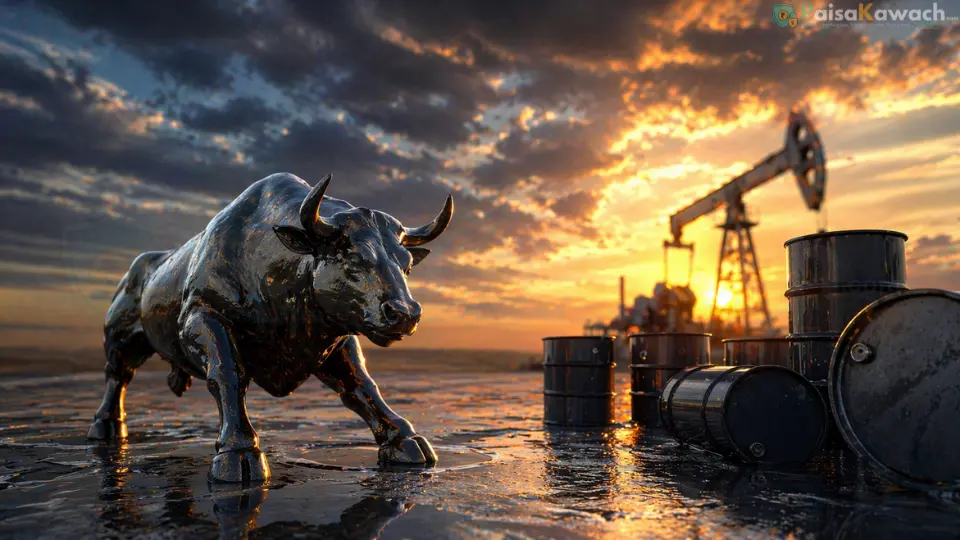
Global stock markets are rising again on April 17, 2026 — but this rally is not as simple as it looks. While investors are celebrating gains across major indices, the underlying reality is far more complex. Markets are climbing despite ongoing geopolitical tensions, energy uncertainty, and warnings from global institutions like the IMF.
So what’s really happening? Why are markets going up even when risks are still present? And most importantly — what does this mean for you as an investor or everyday consumer?
This is not a “normal” rally. Markets are rising mainly due to relief and expectations — not because risks have disappeared. That’s why understanding the bigger picture is critical right now.
The biggest factor driving today’s market movement is the easing of tensions between the United States and Iran. After weeks of uncertainty and fear of a larger conflict, recent developments suggest a possible de-escalation. Talks, ceasefire signals, and reduced military activity have given investors hope that the worst-case scenario might be avoided.
But here’s the key point: the situation is not fully resolved. Markets are reacting to expectations, not confirmed outcomes.
This is similar to how markets often behave — they move ahead of actual events. Investors price in future optimism before it fully materializes, which can sometimes lead to sudden reversals.
Another major reason behind the rally is the movement in oil prices. During peak tensions, oil surged due to fears of supply disruption, especially around the Strait of Hormuz, one of the most critical oil routes in the world. Now, with tensions easing, oil prices have started to decline and stabilize.
This is extremely important because oil prices influence almost everything in the global economy — from transportation costs to inflation and even food prices.
Lower oil prices = lower inflation pressure. This gives relief to both consumers and central banks, making it easier for economies to continue growing.
For everyday people, this could mean slightly lower fuel costs and reduced pressure on household expenses. For businesses, it means better margins and lower operating costs. This combination is one of the strongest drivers of market optimism right now.
However, oil markets remain highly sensitive. Even a small escalation in geopolitical tensions can send prices rising again. That’s why investors are watching energy markets very closely.
At the same time, corporate earnings are adding fuel to the rally. Many companies, especially in the banking and technology sectors, are reporting strong results. Financial institutions are benefiting from stable economic conditions, while technology companies continue to grow due to rising demand for artificial intelligence and digital infrastructure.
This has created a strong foundation for the market’s upward movement, as investors are not only relying on geopolitical relief but also on actual business performance.
Tech and AI-driven companies are currently among the biggest winners. Their growth is less dependent on traditional economic cycles, making them attractive even during uncertain times.
But not all sectors are benefiting equally. Luxury goods, tourism, and travel-related industries are still facing challenges. Reduced demand from conflict-affected regions and cautious consumer spending are impacting their performance.
This highlights an important reality — the global recovery is uneven. Some sectors are booming, while others are still struggling to regain stability.
This is not a broad-based economic boom. It’s a selective rally where certain sectors are leading while others lag behind.
Adding to the complexity, the International Monetary Fund (IMF) has issued warnings about the long-term impact of the recent energy shock. According to the IMF, even if tensions ease in the short term, the effects of disrupted supply chains and high energy costs could continue to affect the global economy.
These risks include rising inflation, slower economic growth, and increased financial pressure on developing countries. In simple terms, the current rally does not eliminate future risks — it only delays their impact.
Another major trend shaping the global economy right now is the restructuring of supply chains. Countries and companies are increasingly trying to reduce their dependence on geopolitically sensitive regions. This means shifting manufacturing, building new trade partnerships, and investing in local production.
While this improves long-term stability, it also increases costs in the short term. Businesses have to spend more to diversify operations, and these costs can eventually be passed on to consumers.
This is part of a larger shift away from globalization toward regional economic systems. It’s a slow but significant transformation that will shape the next decade.
Investor psychology is also playing a huge role in today’s market behavior. After weeks of uncertainty, the easing of tensions has created a sense of relief. This emotional shift often leads to rapid buying, pushing markets higher.
However, this kind of rally can be fragile. If negative news emerges, the same investors may quickly pull back, causing sharp declines.
Markets right now are driven by sentiment as much as fundamentals. That means volatility is likely to remain high.
So what should you take away from all this?
First, understand that this rally is real — but it is not risk-free. Markets are rising because conditions are improving, but the underlying risks have not disappeared.
Second, keep an eye on key triggers. The direction of the market in the coming weeks will largely depend on geopolitical developments, oil prices, and corporate earnings.
Third, avoid extreme decisions. Whether you are an investor or just someone trying to understand the economy, it is important to stay balanced and informed rather than reacting emotionally.
- Global markets are rising due to easing geopolitical tensions
- Oil prices are stabilizing, reducing inflation pressure
- Corporate earnings are supporting investor confidence
- Tech and AI sectors are leading the rally
- Luxury and travel sectors are still under pressure
- IMF warns of long-term risks despite short-term optimism
- Supply chain restructuring is reshaping global trade
- Market sentiment remains optimistic but fragile
In conclusion, April 17, 2026, reflects a classic “relief rally” in global markets. Investors are reacting positively to improving conditions, but the broader economic environment remains uncertain. The coming weeks will be crucial in determining whether this rally can sustain itself or if new risks will emerge.
If you are following the markets closely, this is the time to stay informed, stay cautious, and understand the deeper forces driving these movements.
stock market today 2026, why markets are rising, oil prices impact economy, US Iran tensions market effect, IMF warning economy, global market rally analysis, inflation and oil prices, stock market news April 17 2026, investor sentiment explained, financial news global
Keep Reading: More Insights You Might Like
 Global Markets Surge as US-Iran Tensions Ease, Oil Prices Stabilize, and Investors Turn Optimistic (April 16, 2026)
Next →
Global Markets Surge as US-Iran Tensions Ease, Oil Prices Stabilize, and Investors Turn Optimistic (April 16, 2026)
Next →
 Stock Market Surge Today: Why Markets Jump After Hormuz Reopens — And The Hidden Risks Ahead (April 18, 2026)
Comments
No comments yet. Be the first to comment!