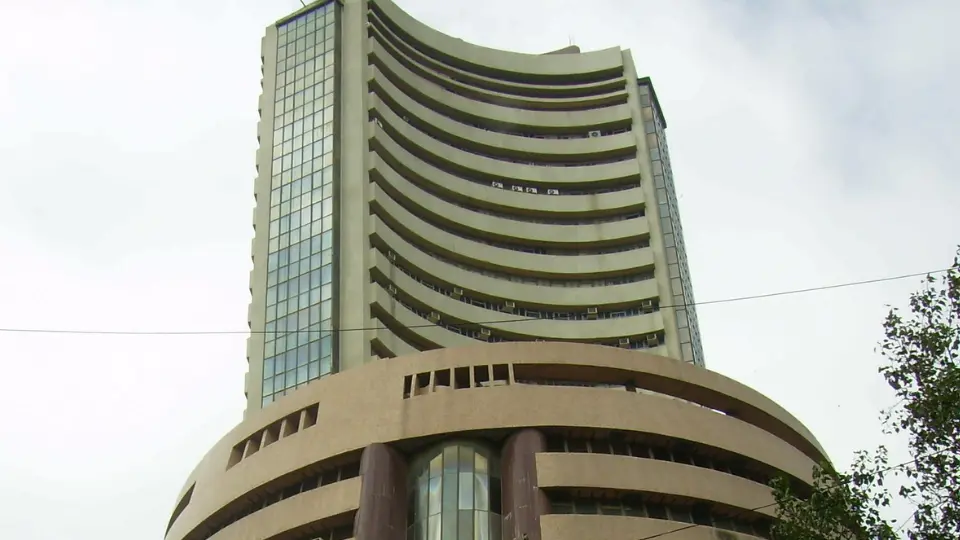
Sensex Surges 1,200 Points as Oil Prices Fall and Global Optimism Returns on April 15, 2026
Indian and global financial markets witnessed a strong and broad-based rally on April 15, 2026, as a combination of falling crude oil prices, improving geopolitical outlook, and renewed investor confidence fueled bullish sentiment across asset classes. Benchmark indices in India surged significantly, with the Sensex gaining over 1,200 points and the Nifty crossing the key psychological level of 24,200. This sharp upward movement marks one of the most notable single-day rallies in recent weeks and reflects a decisive shift in short-term market sentiment.
The primary driver behind this rally is the sharp decline in global crude oil prices, which have fallen below the $100 per barrel mark. Oil prices had previously surged due to escalating geopolitical tensions, creating concerns around inflation, fiscal pressure, and global economic slowdown. However, recent developments indicating renewed diplomatic engagement between the United States and Iran have significantly eased these concerns, leading to a correction in oil prices and restoring confidence among investors.
For India, which is one of the world’s largest importers of crude oil, the decline in oil prices carries substantial macroeconomic benefits. Lower oil prices directly translate into reduced import bills, easing pressure on the current account deficit and improving fiscal stability. Additionally, declining fuel costs help in moderating inflation, which has been a key concern for policymakers and market participants alike. This macroeconomic relief has played a crucial role in driving the rally in Indian equities.
The easing of geopolitical tensions, particularly the possibility of renewed dialogue between the United States and Iran, has emerged as another significant factor influencing global markets. Investors had been wary of prolonged conflict in the Middle East, which could disrupt global oil supply chains and create uncertainty in financial markets. The latest diplomatic signals have reduced these risks, encouraging investors to move back into equities and other riskier assets. This shift from a “risk-off” to a “risk-on” environment is evident in the strong performance of global stock markets.
Asian markets rallied in tandem with Indian equities, reflecting the global nature of the current market movement. Major indices across the region recorded gains as investors responded positively to the improving geopolitical landscape and falling commodity prices. The rally was not limited to equities alone; currencies in emerging markets, including the Indian rupee, also strengthened against the US dollar, further reinforcing investor confidence.
The strengthening of the Indian rupee is another important development that has contributed to today’s market momentum. The rupee appreciated as oil prices declined and foreign exchange pressures eased. A stronger currency reduces the cost of imports, particularly essential commodities such as crude oil, and helps in controlling inflation. However, it also presents challenges for export-oriented sectors, which may face margin pressures due to currency appreciation.
Sectorally, the rally was broad-based, with gains observed across banking, financial services, information technology, metals, and energy stocks. Banking stocks, in particular, led the rally, supported by improved macroeconomic outlook and expectations of stable interest rates. Heavyweight stocks such as HDFC Bank and Reliance Industries contributed significantly to the upward movement of benchmark indices, reflecting strong institutional participation in the market.
Industries that are heavily dependent on fuel and energy costs, such as aviation, logistics, and manufacturing, also benefited from the decline in oil prices. Lower input costs are expected to improve profitability for companies in these sectors, making them attractive to investors. Additionally, sectors like fast-moving consumer goods (FMCG) and paints are likely to gain from reduced raw material costs, further supporting the broader market rally.
Despite the strong rally, analysts caution that the current market environment remains dynamic and subject to rapid changes. One of the key risks highlighted by experts is the recent downgrade in global growth projections by international financial institutions. Slower growth in emerging markets, driven by geopolitical uncertainties and high energy costs, could impact investor sentiment in the medium term. While India’s growth outlook remains relatively strong compared to its global peers, external factors continue to pose challenges.
Another concern is the continued outflow of foreign institutional investment (FII) from Indian markets. Despite today’s rally, foreign investors have been net sellers in recent weeks, reflecting cautious sentiment amid global uncertainties. Sustained inflows from foreign investors will be crucial for maintaining the momentum in Indian equities. Any reversal in global sentiment or resurgence in geopolitical tensions could lead to renewed selling pressure.
Additionally, concerns around the upcoming monsoon season have also surfaced as a potential risk factor. Forecasts indicating below-average rainfall could impact agricultural output, leading to higher food inflation and affecting rural demand. Given the importance of agriculture in the Indian economy, any adverse impact on the monsoon could have broader economic implications.
The current rally also coincides with the beginning of the fourth-quarter earnings season in India. Corporate earnings will play a critical role in determining the sustainability of the market’s upward trajectory. Strong earnings growth, particularly in sectors such as banking, infrastructure, and manufacturing, could provide further support to the markets. On the other hand, any signs of earnings slowdown could lead to profit booking and increased volatility.
Global investors are also closely monitoring central bank policies across major economies. While the immediate focus remains on geopolitical developments and oil prices, monetary policy decisions will continue to influence capital flows and market dynamics. Stable or accommodative policy stances are likely to support equity markets, while any tightening measures could dampen investor sentiment.
In conclusion, April 15, 2026, stands out as a significant day for financial markets, marked by a strong rally driven by favorable macroeconomic developments and improved global sentiment. The decline in oil prices, easing geopolitical tensions, and strengthening currency have collectively created a supportive environment for equities. However, the sustainability of this rally will depend on a range of factors, including geopolitical stability, corporate earnings, foreign investment flows, and macroeconomic indicators.
While the current market momentum is encouraging, investors are advised to remain cautious and adopt a balanced approach. The interplay of global and domestic factors continues to shape market dynamics, and sudden changes in any of these variables could impact the trajectory of financial markets. As such, a disciplined investment strategy, combined with close monitoring of key developments, will be essential for navigating the evolving market landscape.
- Sensex surged over 1,200 points while Nifty crossed 24,200, signaling strong bullish momentum
- Falling oil prices and easing geopolitical tensions are the primary drivers of today’s rally
- Risks remain from global growth slowdown, FII outflows, and monsoon uncertainty
Analysts remain cautiously optimistic about the near-term outlook, emphasizing that while the current rally reflects improving sentiment, long-term stability will depend on sustained economic growth and global stability.
Keep Reading: More Insights You Might Like
 US Inflation Surges on Iran War Energy Shock, TCS Posts Record Deal Wins, India Markets Slide — Full Market Briefing 10 April 2026
Next →
US Inflation Surges on Iran War Energy Shock, TCS Posts Record Deal Wins, India Markets Slide — Full Market Briefing 10 April 2026
Next →
 Global Markets Surge as US-Iran Tensions Ease, Oil Prices Stabilize, and Investors Turn Optimistic (April 16, 2026)
Comments
No comments yet. Be the first to comment!