US Markets Slip as Trump–Fed Tensions Shake Investor Confidence and Weigh on Dollar
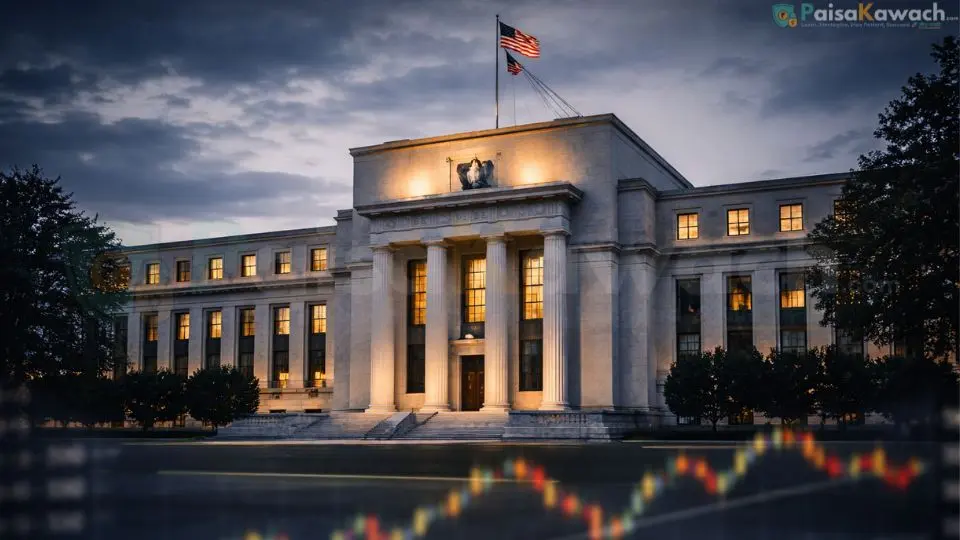
U.S. financial markets opened the week on a cautious note as political pressure on the Federal Reserve intensified. Investor sentiment weakened after reports of rising tensions between President Donald Trump and Federal Reserve Chair Jerome Powell, including threats of a potential criminal probe targeting the Fed chief.
Political Pressure Hits Market Confidence
Markets reacted swiftly to the growing uncertainty surrounding the independence of the U.S. central bank. Investors typically view the Federal Reserve as a stabilizing force during periods of economic stress, and any perceived threat to its autonomy tends to trigger risk aversion.
As concerns escalated, U.S. stock futures edged lower, reflecting hesitation among institutional participants ahead of the regular trading session. The pullback was not driven by earnings or economic data, but rather by fears of policy disruption and governance instability.
Dollar Weakens Amid Institutional Uncertainty
The U.S. dollar also came under pressure as traders reassessed the outlook for monetary policy credibility. Currency markets are particularly sensitive to political interference in central banking, and the latest developments prompted some investors to reduce dollar exposure.
A softer dollar often reflects declining confidence in policy consistency, especially at a time when global investors are already navigating high interest rates, slowing growth signals, and geopolitical risks.
Broader Market Implications
The standoff between the White House and the Federal Reserve introduces an additional layer of uncertainty for global markets. While equity declines remained orderly, the situation has heightened sensitivity to headlines and increased short-term volatility expectations.
- Equity futures signaled cautious positioning ahead of the U.S. open
- The dollar weakened against major global currencies
- Risk sentiment shifted as investors sought clarity on policy direction
Market participants are now closely watching for official statements, legal clarity, and upcoming economic data that could either stabilize sentiment or amplify concerns.
What Investors Are Watching Next
In the near term, traders are expected to focus on:
- Any formal response or clarification from the Federal Reserve
- U.S. economic data that could influence rate expectations
- Global market reactions to shifts in U.S. policy credibility
While markets have faced political tension before, sustained uncertainty around central bank independence remains a key risk factor that could influence capital flows and asset pricing in the days ahead.
Keep Reading: More Insights You Might Like
 Indian Rupee and Bond Market Outlook Remains Cautious Amid Global Tensions and RBI Strategy
Next →
Indian Rupee and Bond Market Outlook Remains Cautious Amid Global Tensions and RBI Strategy
Next →
 NVIDIA and AMD Unveil Next-Generation AI Chips, Signaling a New Phase in Global Computing Power
Comments
No comments yet. Be the first to comment!