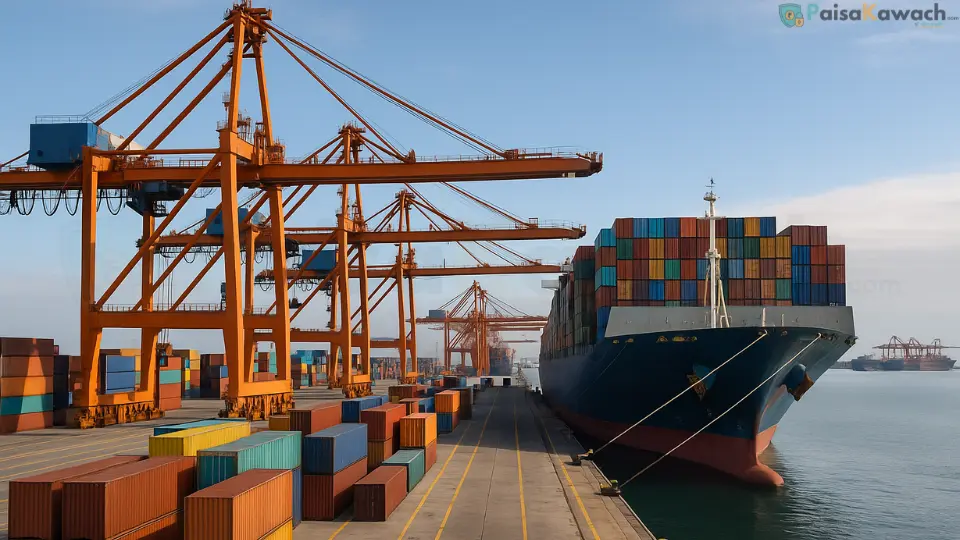
India–US Trade Deal Boosts Market Sentiment, Signals New Phase in Bilateral Economic Ties

India and the US Finalise a Landmark Trade Agreement
Indian financial markets opened with strong optimism after India and the United States confirmed a major bilateral trade agreement, marking a meaningful shift in economic relations between the two countries. The deal focuses on easing tariff barriers on a range of Indian exports, addressing a long-standing concern for manufacturers and exporters.
The agreement comes at a time when global markets have been sensitive to trade policy signals. By lowering tariff intensity and improving market access, the pact has helped stabilise sentiment and restored confidence among both domestic and foreign investors.
Trade Deal Snapshot
- India and the US reached a comprehensive trade agreement
- Tariffs on key Indian goods significantly reduced
- Improved outlook for exports and cross-border trade
- Positive sentiment reflected across Indian equity markets
Why the Deal Matters for Indian Markets
Trade relations between India and the US play a crucial role in shaping capital flows, currency stability, and corporate earnings—particularly for export-oriented sectors. The latest agreement reduces uncertainty around future trade restrictions and signals policy stability from both sides.
Market participants interpreted the development as a long-term positive rather than a short-lived trigger, with buying interest seen across sectors linked to manufacturing, engineering, and global supply chains.
Sector-Level Impact and Comparisons
Export-Focused Industries in Focus
Sectors such as auto components, industrial goods, textiles, and select technology services are expected to benefit from improved access to the US market. Compared with earlier phases of trade tension, companies now face lower cost pressure and more predictable pricing structures.
In contrast to regions still facing tariff uncertainty, India’s improved trade footing positions it more favourably among emerging markets competing for global capital and export demand.
What This Means for Investors
For investors, the agreement reduces a key macro risk variable. While broader market direction will still depend on global cues, inflation trends, and monetary policy, the trade deal adds a supportive structural layer to India’s medium-term growth narrative.
According to Reuters, easing trade tensions between major economies often leads to renewed foreign portfolio interest and improved risk appetite in emerging markets.
What to Watch Going Forward
Investors and businesses will now track the implementation timeline, sector-specific benefits, and any follow-up negotiations tied to services, technology, or digital trade. Export data and corporate guidance in upcoming quarters will provide clearer evidence of how quickly the benefits flow through to earnings.
Markets are also likely to watch global reactions closely, as similar agreements could reshape broader trade dynamics in the months ahead.
Keep Reading: More Insights You Might Like
 India Budget 2026 Economic and Policy Developments: Key Signals for Growth, Markets, and Fiscal Strategy
Next →
India Budget 2026 Economic and Policy Developments: Key Signals for Growth, Markets, and Fiscal Strategy
Next →
 SpaceX Acquires xAI to Build Orbital AI Infrastructure, Redefining Space-Tech and Machine Intelligence
Comments
No comments yet. Be the first to comment!