Rupee Near Historic Low Amid U.S. Trade Tensions and Global Currency Weakness
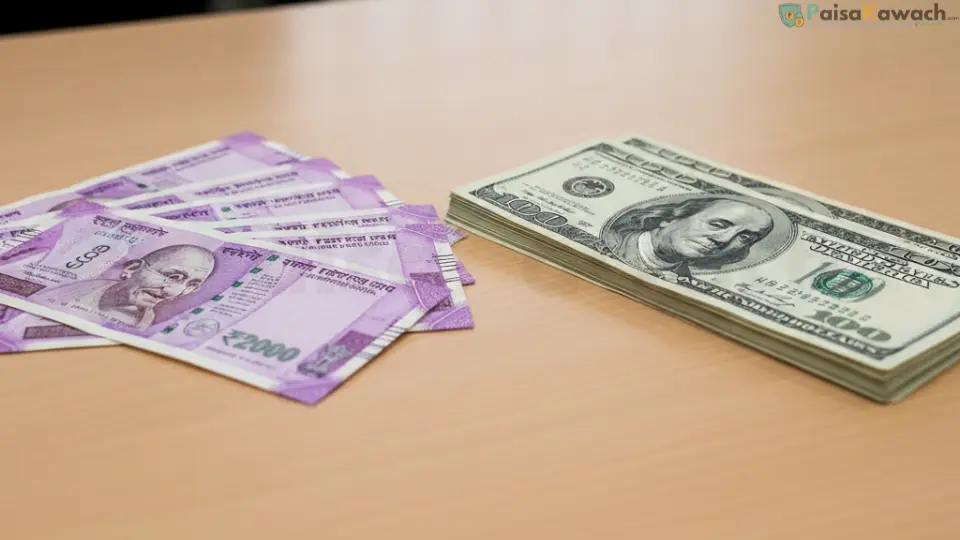
Rupee Approaches All-Time Low Amid Global Pressures
On September 30, 2025, the Indian rupee fell close to historic lows, reflecting ongoing U.S. trade tensions and weakness in Asian currencies. The strengthening U.S. dollar, driven by safe-haven demand and trade policy uncertainties, has added significant pressure on the rupee.
Impact of U.S. Trade Tensions
The United States has recently imposed tariffs and signaled tougher trade negotiations with key Asian economies. These actions have rattled investor confidence in emerging markets, including India, which is heavily reliant on imports and exports in sensitive sectors.
Weakness Across Asian Currencies
The rupee is part of a broader trend of declining Asian currencies, including the Chinese yuan, Japanese yen, and South Korean won. As global investors flock to the U.S. dollar, these currencies have collectively weakened, further pressuring the rupee.
Domestic Implications
- Import Costs: A weaker rupee increases costs for crude oil, electronics, and industrial equipment.
- Inflation Pressure: Rising import prices may feed into overall inflation, affecting consumers.
- Corporate Impact: Firms with dollar-denominated debt face higher repayment burdens.
RBI Intervention and Outlook
The Reserve Bank of India (RBI) is expected to intervene cautiously to stabilize the rupee, focusing on market confidence rather than defending a specific level. Analysts suggest that unless global trade tensions ease, the rupee may continue testing lower levels in the short term.
Conclusion
The rupee’s near-record low underscores India’s sensitivity to global trade dynamics and currency fluctuations. Importers, businesses, and policymakers must brace for continued volatility as international developments unfold.
Keep Reading: More Insights You Might Like
 RBI Policy Preview: Central Bank Likely to Hold Rates at 5.50%, But Analysts See Chance of Surprise Cut
Next →
RBI Policy Preview: Central Bank Likely to Hold Rates at 5.50%, But Analysts See Chance of Surprise Cut
Next →
 Tata Motors Demerger 2025: Passenger and Commercial Vehicle Businesses Now Independent
Comments
No comments yet. Be the first to comment!