Indian Rupee Likely to Open Weaker Against US Dollar as Hawkish Fed Signals Dominate Early Trade
Why the Rupee Is Under Pressure Today
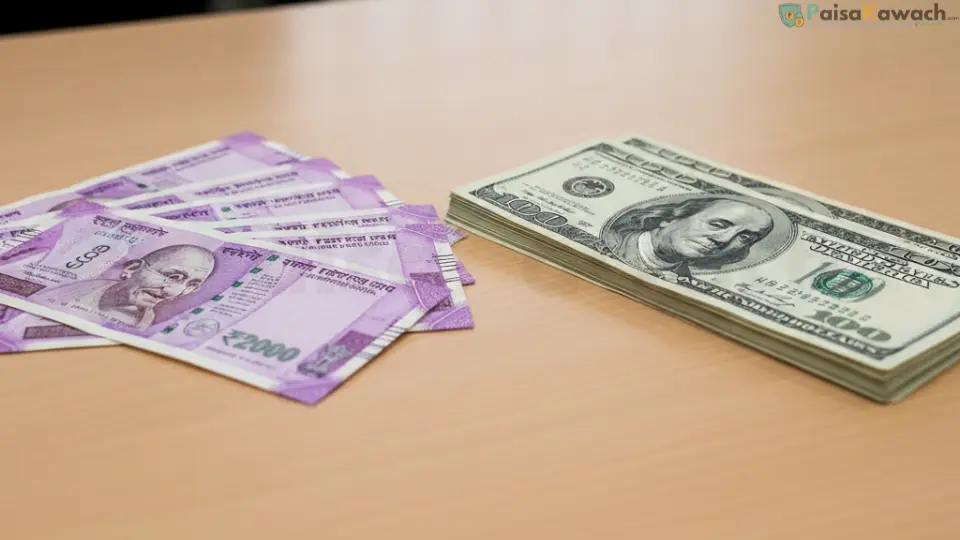
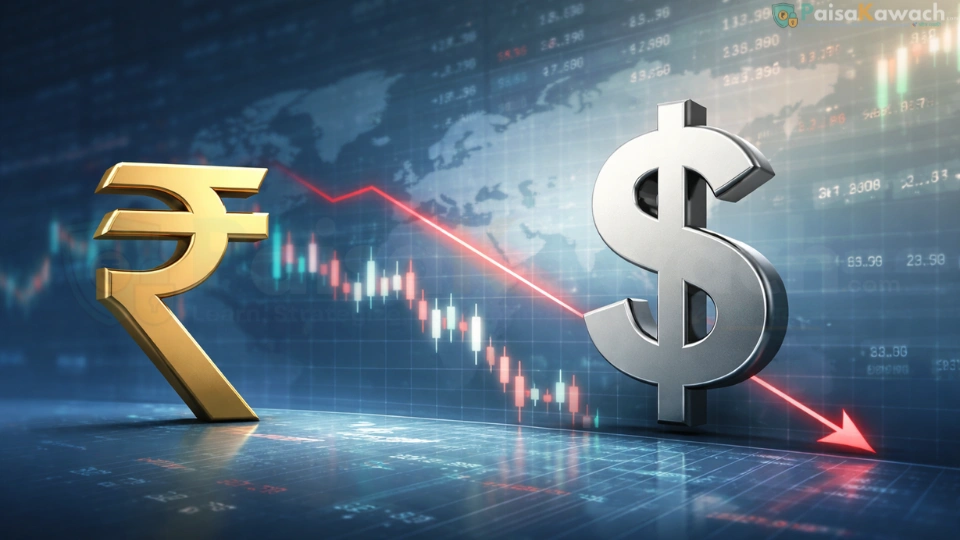
The Indian rupee is forecast to open on a weaker note against the US dollar in early trade on Friday, January 16, 2026, as global currency markets respond to hawkish signals from the US Federal Reserve. Renewed expectations that US interest rates will remain elevated for a longer period have strengthened the dollar, creating pressure on most emerging market currencies, including the rupee.
This move comes at a time when global investors are increasingly cautious, reassessing risk exposure amid higher US bond yields and persistent inflation concerns in the world’s largest economy. For India, the currency outlook is being shaped by a delicate balance between external headwinds and improving domestic fundamentals.
Rupee Snapshot
- Opening Bias: Slightly weaker against the US dollar
- Main Pressure: Hawkish US Federal Reserve commentary
- Key Support: Narrowing Indian trade deficit
- Market Sentiment: Cautious but not risk-off
- Near-Term Outlook: Range-bound with global cues in focus
Hawkish Fed Commentary Strengthens the Dollar
Recent comments from US Federal Reserve officials have reinforced the narrative that interest rates may stay higher for longer as inflation remains sticky. This has pushed US Treasury yields upward, improving the yield advantage of dollar assets and lifting the dollar index against major global currencies.
A stronger dollar typically reduces the attractiveness of emerging market assets, prompting foreign portfolio investors to trim exposure. As a result, currencies like the Indian rupee often come under pressure, especially during early Asian trading hours when global cues dominate sentiment.
Trade Deficit Offers a Cushion to the Rupee
Despite the external pressure, India’s narrowing trade deficit is expected to provide some support to the rupee. Lower import costs, aided by relatively stable crude oil prices and resilient export performance in select sectors, have helped improve the country’s external balance.
Currency strategists note that a healthier trade position reduces the structural demand for dollars, helping to limit sharp depreciation in the rupee even during phases of global dollar strength.
What This Means for Markets and Investors
For equity and bond markets, a mildly weaker rupee is not necessarily negative in the short term. Export-oriented sectors such as information technology and pharmaceuticals may benefit from currency depreciation, while import-heavy sectors could see some margin pressure if the weakness persists.
Bond market participants are likely to remain watchful, as sustained rupee weakness can influence inflation expectations and foreign investor flows into Indian debt. However, the absence of panic-driven selling suggests that markets are currently pricing in only a modest and orderly move in the currency.
How the Rupee Compares With Other Emerging Market Currencies
Compared with several other emerging market peers, the Indian rupee has remained relatively stable. While currencies such as the Korean won and Indonesian rupiah have seen sharper intraday swings, the rupee’s movement has been more measured, reflecting India’s strong foreign exchange reserves and active central bank monitoring.
This relative stability reinforces the view that any near-term weakness in the rupee is likely to be gradual rather than abrupt.
What to Watch Next
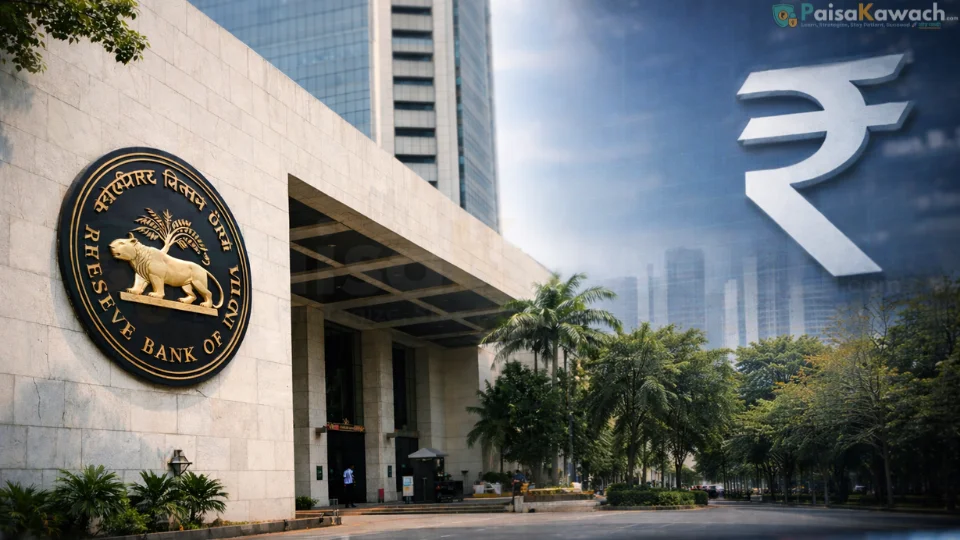
Market participants will closely track upcoming US macroeconomic data, particularly inflation and employment readings, for further clues on the Federal Reserve’s policy path. Domestically, trade data, capital flow trends, and any signals from the Reserve Bank of India will be key in determining the rupee’s near-term direction.
According to BBC, sustained dollar strength driven by US rate expectations remains one of the most significant risks for emerging market currencies in the current global environment.
For now, analysts expect the rupee to trade in a narrow range, with downside pressure from global factors being partially offset by improving domestic fundamentals.
Keep Reading: More Insights You Might Like
 Wall Street Futures Turn Volatile as Tech Stocks Face Selling Pressure Ahead of Key Earnings
Next →
Wall Street Futures Turn Volatile as Tech Stocks Face Selling Pressure Ahead of Key Earnings
Next →
 Infosys Delivers Strong Earnings, Raises Revenue Outlook, Boosting Global IT Sector Sentiment
Comments
No comments yet. Be the first to comment!