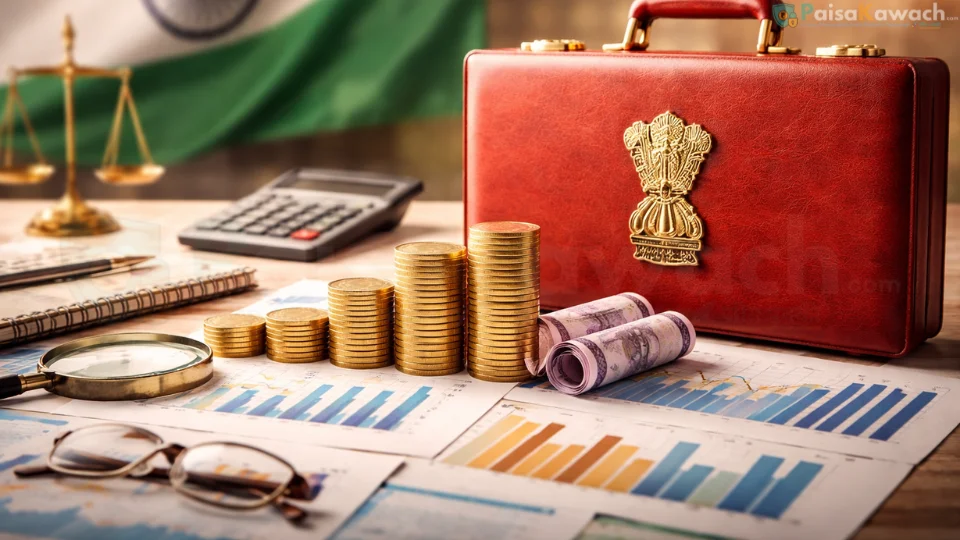
Indian Pharma Stocks Slide After U.S. Tariff Move: Market Reaction and Future Outlook

Indian Pharma Stocks Under Pressure After U.S. Tariff Announcement
Indian pharmaceutical companies faced sharp selling pressure today as the entire sector reacted to the U.S. government’s decision to impose a 100% tariff on branded and patented drugs. The move, announced by President Donald Trump, has rattled India’s pharmaceutical industry, which counts the U.S. as its most important export destination.
Market Reaction: Pharma Index in Red
All 20 companies in the NSE pharma index reported losses during intraday trade, with the index declining by more than 2.4%. Market heavyweight Sun Pharmaceutical plunged nearly 3.4%, while Dr. Reddy’s Laboratories, Cipla, and Lupin also saw notable declines.
Why the U.S. Market Matters
The United States accounts for more than one-third of India’s pharmaceutical exports. Indian firms have long relied on the American market for both generic and branded drug sales, making the sector highly vulnerable to policy changes in Washington.
- The U.S. FDA approvals are crucial for Indian drugmakers to launch new products abroad.
- Tariff hikes could erode competitiveness of Indian drugs compared to local U.S. manufacturers.
- Revenue growth projections for FY2025-26 may be revised downward if the tariff regime holds.
Analysts Sound Caution
Brokerage houses and analysts have issued warnings that margins could come under pressure if Indian exporters are unable to absorb or pass on the additional costs. While some believe companies may shift focus to Europe, Africa, and emerging markets, others caution that the U.S. remains too large a market to replace easily.
Impact Beyond Pharma Stocks
The tariff shock spilled into broader market sentiment. Benchmark indices Nifty 50 and BSE Sensex fell nearly 0.5% each in morning trade, with IT stocks also under pressure following weak earnings guidance from Accenture.
Looking Ahead: Policy and Strategy
Industry leaders are urging the Indian government to engage in talks with U.S. counterparts to mitigate the fallout. Meanwhile, pharmaceutical firms may accelerate their investments in contract manufacturing, biotechnology, and domestic R&D to reduce dependency on the U.S. market.
Investors are expected to closely watch quarterly earnings and management commentary for signals on how companies plan to navigate the challenging environment.
Keep Reading: More Insights You Might Like
 India Stock Market Update: Equity Indices Flat as U.S. Tariffs Target Pharma and Trucks
Next →
India Stock Market Update: Equity Indices Flat as U.S. Tariffs Target Pharma and Trucks
Next →
 Maruti Suzuki Becomes World’s 8th Most Valuable Automaker Amid India’s Rising Auto Market
Comments
No comments yet. Be the first to comment!