Global Market Volatility Deepens as U.S. and European Stocks Slide on Trade War Fears
Global Markets Under Pressure Amid Rising Trade Tensions
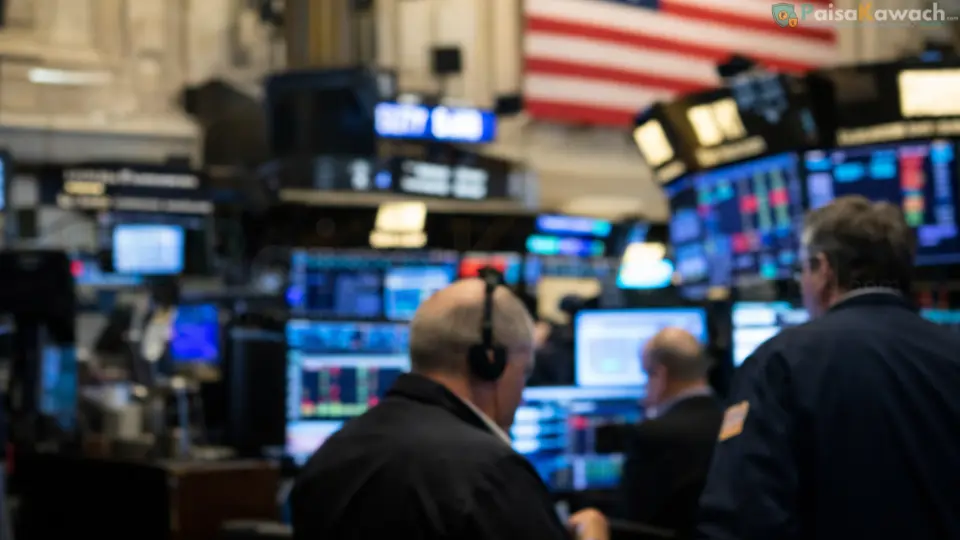
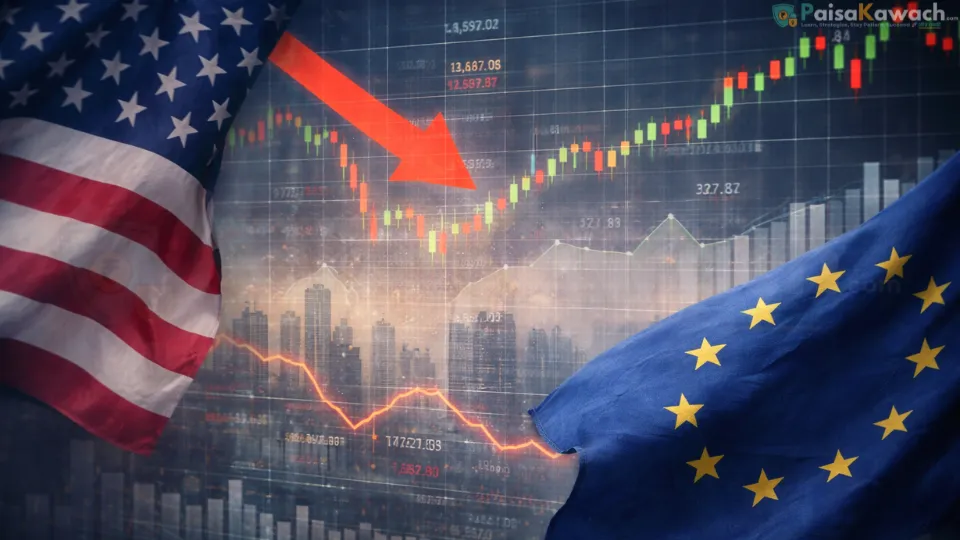
Global equity markets faced renewed volatility on Tuesday as U.S. and European stocks declined amid escalating fears of a fresh round of trade conflicts. Investor sentiment turned cautious after signals of tougher trade rhetoric and the possibility of higher tariffs, raising concerns about global economic growth and corporate earnings.
The sell-off reflects broader uncertainty in international markets, where geopolitical developments are increasingly influencing capital flows and risk appetite.
Market Snapshot
- U.S. stock futures edged lower in early trade
- Major European indices declined amid trade uncertainty
- Risk-off sentiment lifted demand for safe-haven assets
- Global investors reassessed growth and earnings outlook
Why Trade War Fears Are Back in Focus
Concerns over potential tariff escalations resurfaced after renewed political rhetoric around trade policy. Markets are wary that prolonged trade disputes could disrupt supply chains, increase input costs, and slow cross-border investment.
According to Reuters, global fund managers have become increasingly sensitive to trade-related headlines, given their immediate impact on market volatility.
Impact on U.S. Markets
In the United States, stock futures pointed to a softer open, with investors trimming exposure to equities after recent gains. Cyclical sectors, which are more sensitive to global trade and economic activity, came under particular pressure.
Technology and industrial stocks were closely watched, as these sectors tend to be most exposed to international trade flows and tariff-related risks.
European Stocks Mirror Global Weakness
European markets followed Wall Street’s cautious tone, with major indices slipping as trade uncertainty compounded existing economic concerns. Export-oriented companies were among the worst performers, reflecting fears of reduced demand from key global markets.
The weakness highlights Europe’s vulnerability to global trade disruptions, given its strong reliance on cross-border commerce.
What This Means for Investors
For investors, the renewed volatility underscores the importance of monitoring geopolitical developments alongside economic data. Short-term market movements may remain choppy as trade headlines continue to influence sentiment.
- Higher volatility across global equity markets
- Increased focus on defensive sectors and safe-haven assets
- Greater sensitivity to policy signals and global negotiations
What to Watch Next
Market participants will closely track official statements and policy actions related to trade over the coming days. Any clarity on negotiations or tariff timelines could help stabilize sentiment.
In the near term, global markets are likely to remain headline-driven, with investors balancing economic fundamentals against geopolitical risks.
Keep Reading: More Insights You Might Like
 SEBI Proposes “Significant Indices” Framework to Strengthen Governance of Market Benchmarks
Next →
SEBI Proposes “Significant Indices” Framework to Strengthen Governance of Market Benchmarks
Next →
 PhonePe Secures SEBI Approval for ₹12,000 Crore IPO, Marking Major Milestone for India’s Fintech Sector
Comments
No comments yet. Be the first to comment!