RBI Likely to Hold Policy Rates at 5.25% Through 2026, Signaling Stability for Indian Markets
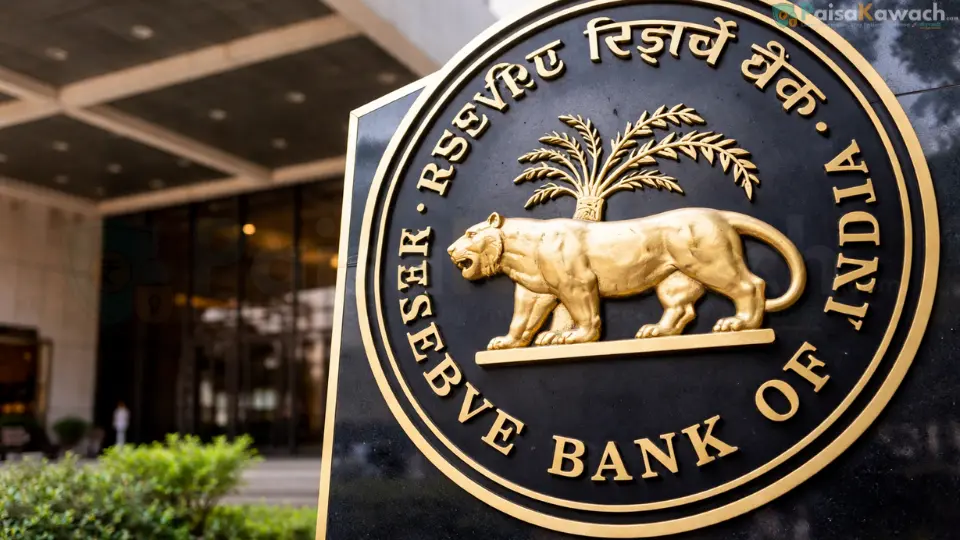
RBI Signals a Steady Hand on Interest Rates
India’s monetary policy outlook is entering a phase of stability, with expectations firming that the Reserve Bank of India (RBI) will maintain its benchmark policy rate at 5.25% through 2026. This stance reflects a careful balance between supporting economic growth and keeping inflation under control at a time when global monetary conditions remain uncertain.
The outlook, highlighted by recent global policy assessments and analyst polls, suggests that the RBI is comfortable with current inflation trends and domestic demand dynamics. For markets and businesses, this signals predictability—an increasingly valuable factor amid volatile global capital flows.
Rate Outlook Snapshot
- Policy Rate: 5.25% (expected unchanged through 2026)
- Inflation Trend: Moderating, within comfort range
- Growth Focus: Supporting capex and consumption
- Market Impact: Positive for rate-sensitive sectors
Why the RBI Is Holding Its Ground
The RBI’s expected pause is rooted in a combination of easing inflation pressures and resilient economic growth. Food inflation has shown signs of cooling, while core inflation remains broadly contained. At the same time, India’s growth momentum—driven by infrastructure spending and domestic consumption—reduces the urgency for policy easing.
According to Reuters, most economists surveyed believe the central bank will prioritize stability over aggressive rate moves, especially as major global central banks adopt a cautious, data-dependent approach.
Global Context and Peer Comparison
Compared to peers, India’s stance appears measured. While some emerging market central banks have already begun easing cycles, others remain constrained by currency pressures and external risks. India’s relatively strong macro fundamentals allow the RBI to wait, observe, and respond gradually rather than reactively.
What This Means for Investors and Markets
A prolonged period of steady rates is generally supportive for financial markets. Banks benefit from predictable net interest margins, while sectors such as real estate, automobiles, and infrastructure gain from lower uncertainty around borrowing costs.
Market Insight: Rate stability reduces volatility expectations and encourages long-term capital allocation rather than short-term speculative positioning.
For equity investors, the signal is clear: monetary policy is unlikely to become a headwind in the near term, shifting focus back to earnings growth and sectoral fundamentals.
Implications for Businesses and Borrowers
Corporate India stands to gain from policy continuity. Stable interest rates help companies plan capital expenditure with greater confidence, particularly in capital-intensive sectors such as manufacturing, energy, and infrastructure. Retail borrowers, too, benefit from predictable loan rates, supporting housing demand and discretionary spending.
What to Watch Next
While the base case points to steady rates, future decisions will hinge on inflation data, monsoon outcomes, and global financial conditions. Any sharp movement in commodity prices or external shocks could prompt a reassessment, though current expectations favor continuity.
As India approaches the Union Budget and navigates a complex global environment, the RBI’s likely hold at 5.25% underscores its preference for stability over surprise—an approach markets tend to reward.
Keep Reading: More Insights You Might Like
 NIFTY 50 Pre-Market View: Market Structure Signals a Balanced Opening Environment
Next →
NIFTY 50 Pre-Market View: Market Structure Signals a Balanced Opening Environment
Next →
 Nvidia, Microsoft and Amazon in Talks to Invest Up to $60 Billion in OpenAI, Fueling Next Phase of AI Expansion
Comments
No comments yet. Be the first to comment!