India Stock Market Update: Equity Indices Flat as U.S. Tariffs Target Pharma and Trucks
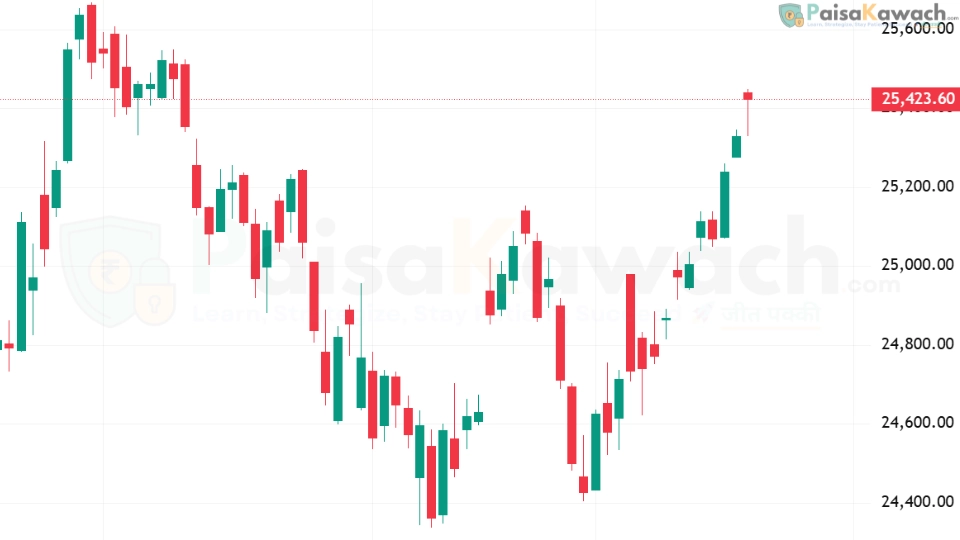
New Delhi, September 26, 2025 — India’s equity benchmarks opened flat this morning, reflecting investor caution following fresh U.S. tariff announcements that target branded pharmaceuticals and heavy-duty trucks. While domestic liquidity provided some cushion, concerns over export-driven sectors kept sentiment muted.
Details of the Tariff Announcement
The United States has confirmed a new set of trade restrictions beginning October 1. Key measures include:
- 100% tariffs on imported branded (patented) pharmaceuticals
- 25% tariffs on heavy-duty trucks
- Additional duties on furniture, bathroom vanities, and kitchen cabinetry
These measures, aimed at boosting local U.S. manufacturing, have sparked unease among Indian exporters heavily reliant on American demand. According to Reuters, Indian pharmaceutical exports to the U.S. touched nearly USD 10.5 billion in FY2025, making it one of the sector’s largest overseas markets.
Impact on Indian Pharma and Auto Sectors
Pharma on the Defensive
Top Indian drug makers such as Sun Pharma, Dr. Reddy’s, and Cipla may see profit margins squeezed as pricing power diminishes under the weight of tariffs. Even though generic medicines are likely to face fewer hurdles, uncertainty around branded formulations creates a cloud of risk for the sector.
Auto Export Challenges
Heavy-duty truck manufacturers and component exporters also face headwinds. Analysts expect Indian auto majors with U.S. exposure to reassess their pricing strategies. Tata Motors, already dealing with supply chain disruptions at Jaguar Land Rover (JLR), may feel the double impact of tariffs and currency volatility.
Investor Sentiment and Market Dynamics
Foreign Institutional Investors (FIIs) continued to pull money from Indian equities, with net outflows crossing ₹4,900 crore this week. The selling pressure has offset domestic optimism, limiting gains in benchmark indices. The Indian rupee, already in a rough patch, risks sliding further against the U.S. dollar if trade frictions persist.
Policy and Strategic Outlook
Industry observers believe India may respond with a mix of diplomatic negotiations and policy incentives for exporters. Diversifying trade routes to Europe, Latin America, and Southeast Asia could help reduce overdependence on the U.S. Meanwhile, the Reserve Bank of India may need to act if rupee weakness accelerates capital flight.
Conclusion: Calm Before the Storm?
For now, Indian equities are holding steady, but the coming weeks may test the resilience of pharma and auto players. Much will depend on how swiftly India and the U.S. can strike a trade balance that protects critical exports without escalating into a broader dispute. Investors, in the meantime, are bracing for a volatile quarter ahead.
Keep Reading: More Insights You Might Like
 Rupee Falls to Record Low as Market Volatility Keeps Indian Stocks Flat
Next →
Rupee Falls to Record Low as Market Volatility Keeps Indian Stocks Flat
Next →
 Indian Pharma Stocks Slide After U.S. Tariff Move: Market Reaction and Future Outlook
Comments
No comments yet. Be the first to comment!