RBI’s Bold Forex Move Strengthens Rupee to ₹88 per Dollar Amid Global Market Volatility
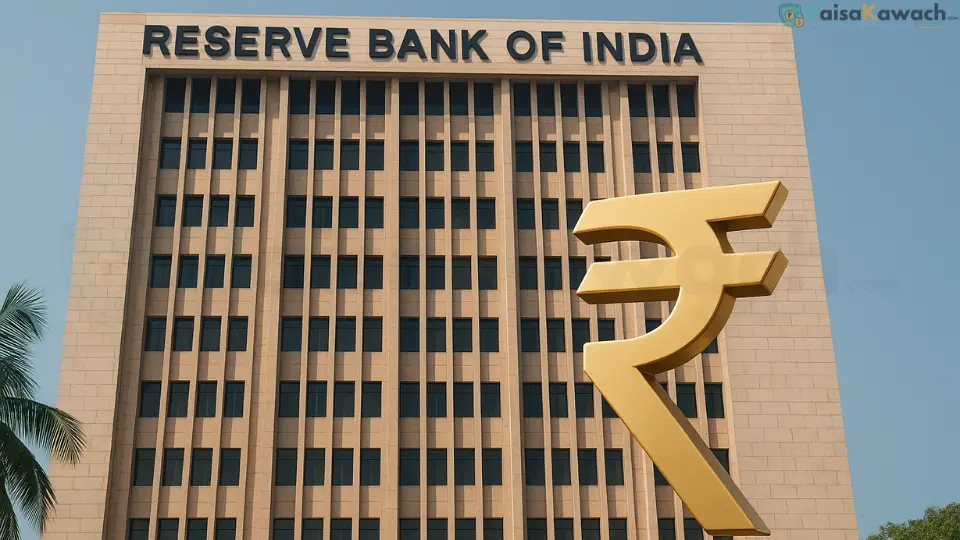
RBI Steps In to Stabilize the Rupee
The Reserve Bank of India (RBI) has intervened decisively in the foreign exchange market, helping the Indian rupee strengthen past ₹88 per U.S. dollar for the first time in nearly a month. The move comes as part of the central bank’s ongoing efforts to reduce volatility amid persistent global uncertainty, rising U.S. yields, and geopolitical headwinds that have recently pressured emerging market currencies.
According to traders and economists, the RBI sold U.S. dollars in both the spot and forward markets this week to prevent excessive depreciation and restore investor confidence. This strategic intervention helped limit speculative positions and improved liquidity in the forex market, giving the rupee a much-needed boost.
Why the Intervention Matters
The rupee’s appreciation carries wide-ranging implications for India’s macroeconomic stability. A stronger domestic currency helps reduce import costs — especially for crude oil and essential raw materials — and lowers inflationary pressures. It also reassures foreign investors that India remains committed to maintaining financial discipline despite volatile global capital movements.
Over the past few weeks, foreign portfolio investors (FPIs) have pulled capital out of emerging markets, seeking safety in U.S. assets amid expectations of delayed rate cuts by the Federal Reserve. The RBI’s intervention helps counterbalance these outflows and keeps the rupee relatively stable compared to peers like the Thai baht or Indonesian rupiah, both of which saw sharper declines.
Global Context and Economic Backdrop
The intervention comes as global economic conditions remain uncertain. Persistent trade tensions between the U.S. and China, a cautious outlook from the International Monetary Fund (IMF), and fluctuating energy prices have all added pressure on developing economies. In this environment, India’s ability to maintain currency stability enhances its position as a reliable investment destination.
Recent IMF forecasts have revised India’s 2025 GDP growth upward to 6.6%, citing strong domestic demand and steady policy support. A stable rupee could further bolster these growth projections by containing inflation and supporting export competitiveness.
Market Reactions and Analyst Outlook
Following the RBI’s move, the rupee gained roughly 0.4% intraday before settling near ₹88.02. Bond yields eased slightly, and sentiment across equity markets turned positive, reflecting renewed confidence in India’s financial resilience.
Market analysts expect the central bank to continue intervening selectively to maintain a balance between competitiveness and stability. However, sustained foreign inflows and disciplined fiscal management will remain key to keeping the rupee strong in the medium term.
Looking Ahead
While the RBI’s current strategy has achieved short-term stability, global headwinds could still test the rupee’s resilience. The central bank’s challenge lies in maintaining equilibrium — ensuring that the rupee remains competitive for exporters without triggering imported inflation.
As India continues to attract global investments in technology, energy, and manufacturing, a steady currency policy will be vital for long-term investor confidence. For now, the RBI’s proactive stance has sent a clear message: India’s central bank remains firmly in control of its currency narrative.
Keep Reading: More Insights You Might Like
 Google’s $10 Billion Investment in Andhra Pradesh to Power India’s AI and Data Revolution
Next →
Google’s $10 Billion Investment in Andhra Pradesh to Power India’s AI and Data Revolution
Next →
 Hyundai India Announces ₹45,000 Crore Investment: Genesis Luxury Brand to Drive Future Growth
Comments
No comments yet. Be the first to comment!