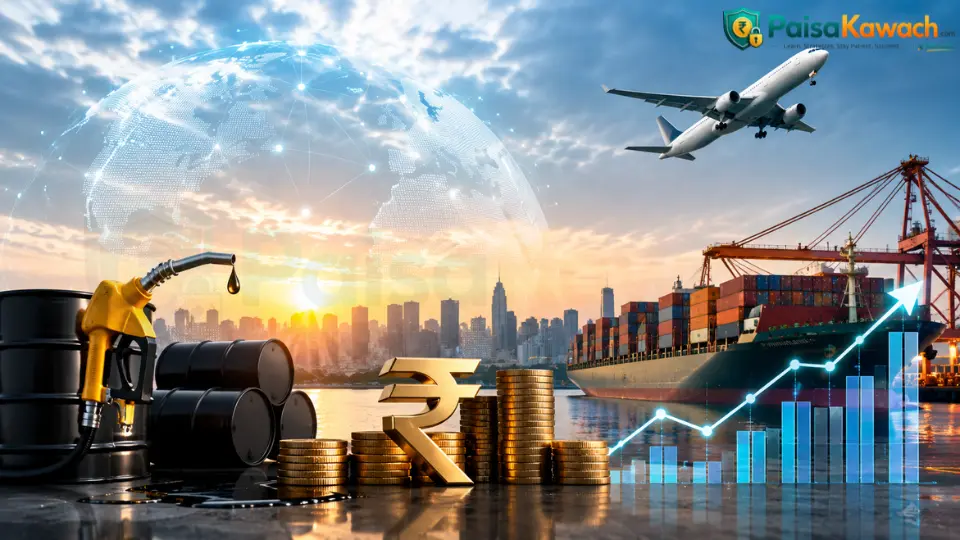
India and European Union Conclude Long-Awaited Free Trade Agreement After Nearly Two Decades
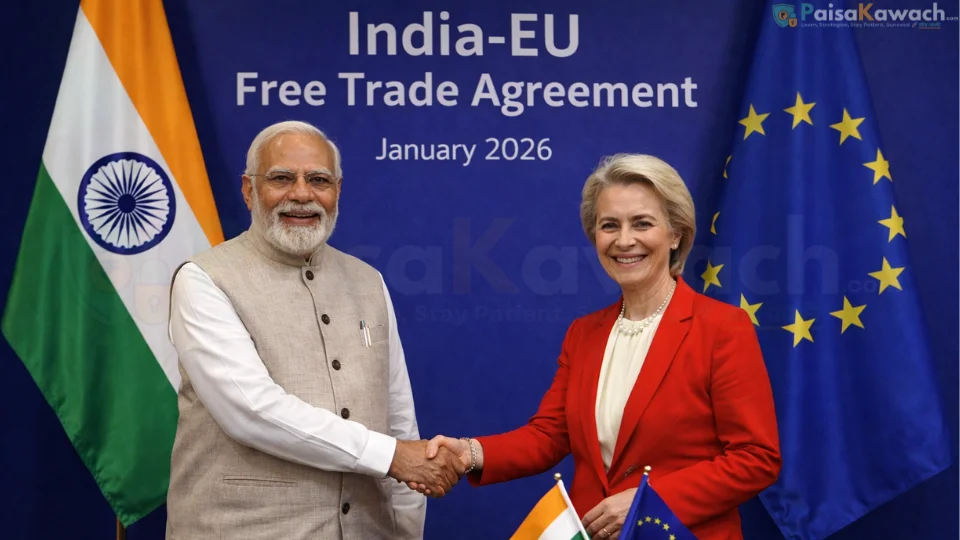
Historic India-EU Free Trade Agreement Concluded
On 27 January 2026, India and the European Union officially concluded negotiations on a long-pending Free Trade Agreement (FTA), ending nearly 20 years of discussions and laying the groundwork for a comprehensive pact that could reshape one of the world’s most significant economic partnerships.
The announcement came ahead of the high-level India-EU Summit in New Delhi, where Prime Minister Narendra Modi and European Commission President Ursula von der Leyen are expected to formalise the outcome of the talks. The agreement is now set to undergo final legal review and signing processes before it enters into force.
FTA Key Facts
- Date Concluded: 27 January 2026
- Negotiation Duration: Nearly 20 years
- Focus Areas: Goods trade, services, tariffs, investment
- Tariff Cuts: Reductions expected on textiles, cars, footwear, wines
- Next Steps: Legal scrubbing and formal signing in 2026
- Market Impact: Expanded access for exporters and investment flows
Why This Agreement Matters
The India-EU FTA represents a major shift in global trade dynamics. Negotiations, which began in the early 2000s and were revived with renewed momentum in 2022, faced multiple technical and policy hurdles over the years. The successful conclusion of talks signals a deepening strategic and economic partnership between India and the 27-member EU bloc.
Expected tariff reductions cover a wide range of sectors including textiles, automobiles, footwear, and select manufactured goods. Early reports suggest duty cuts on European cars to about 40% from current high levels, with phased reductions in the years ahead.
What This Means for Trade and Industry
For Indian exporters, the FTA is poised to unlock greater market access in Europe, traditionally one of the largest destinations for Indian goods. Analysts expect an increase in export volumes for labour-intensive sectors such as textiles, jewellery, and leather products, which could see duty reductions under the agreement.
Similarly, the EU stands to expand its footprint in India’s vast consumer market, particularly in automobiles, wines, and spirits. Reduced tariffs could make European products more competitive, while services liberalisation may open new avenues in digital, financial and professional sectors.
Market and Strategic Impact
Economists suggest this pact could help diversify India’s trade partnerships at a time of global economic uncertainty, reducing reliance on traditional markets and enhancing supply chain resilience. Strengthened EU ties may also support technology transfers, investment flows, and collaboration in advanced sectors such as clean energy and pharmaceuticals.
The FTA’s successful conclusion comes amid broader geopolitical shifts, with the EU seeking to balance global trade relations while India pursues a strategic pivot to engage more deeply with global markets.
Next Steps and What to Watch
Although concluded, the agreement must still be ratified by the European Parliament and India’s cabinet before it can enter into force. Final legal scrutiny and detailed implementation timelines are expected in the coming months.
Business communities on both sides will be closely watching how tariff schedules, rules on origin, and services commitments are phased in and enforced. If implemented as negotiated, the pact could significantly influence trade flows by 2027 and beyond.
Keep Reading: More Insights You Might Like
 Nationwide Bank Strike Disrupts Public Sector Banking Services Across India on January 27, 2026
Next →
Nationwide Bank Strike Disrupts Public Sector Banking Services Across India on January 27, 2026
Next →
 Gold Breaks Record Highs as Precious Metals Rally Accelerates on Global Uncertainty
Comments
No comments yet. Be the first to comment!