Global Business News Today: AI Financing Revolution, Apple's Profitability Challenge and China's New Market Rescue Measures – 3 November 2026

Global business is entering a new phase of transformation as artificial intelligence investment accelerates, major technology companies navigate changing cost structures, and China introduces measures to support its financial markets. These developments are attracting attention from investors, corporate executives and policymakers because they could influence capital flows, technology spending, market confidence and the wider global economic outlook.
Three developments stand out in particular: the growing financial commitment to artificial intelligence infrastructure, Apple's latest financial performance amid rising semiconductor costs, and China's efforts to strengthen its domestic capital markets. Although these developments are taking place in different parts of the global economy, their combined influence could shape business strategy and investment decisions in the months ahead.
1. The Global AI Investment and Financing Boom
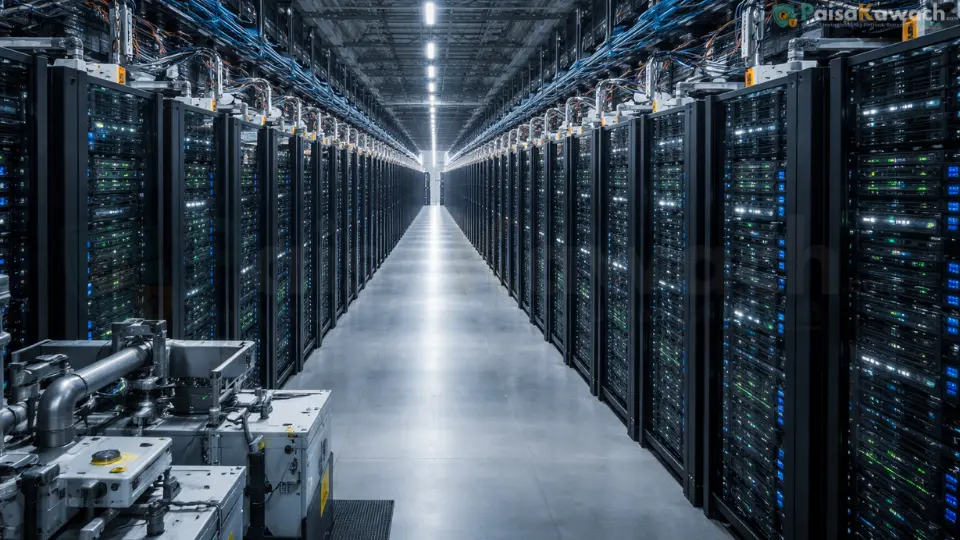
Artificial intelligence has moved beyond the experimental stage and is becoming a major driver of corporate investment. Technology companies, financial institutions and infrastructure providers are committing substantial resources to the computing capacity required to develop and operate advanced AI systems.
Demand for high-performance processors, memory chips, data centres, networking equipment and electricity is increasing as businesses expand their AI capabilities. This is creating opportunities across the technology supply chain, including semiconductor manufacturing, cloud computing, data-centre construction and energy infrastructure.
Financing the Next Generation of AI Infrastructure
The scale of investment required to build AI infrastructure is encouraging companies to explore new financing arrangements. Traditional corporate spending is increasingly being supplemented by private credit, infrastructure financing, strategic partnerships and long-term investment commitments.
Financial institutions are becoming more involved in funding the expansion of computing infrastructure. These arrangements can help technology companies secure the resources needed to build capacity without relying entirely on their existing cash flows.
However, the rapid expansion of AI infrastructure also raises important financial questions. Companies must demonstrate that the revenue generated by AI services can eventually justify the substantial costs of chips, data centres, electricity and specialised equipment.
What It Means for Global Businesses
- Technology companies: Increased investment could strengthen their computing capabilities and competitive positions.
- Semiconductor manufacturers: Higher demand for advanced processors and memory products could create new growth opportunities.
- Energy providers: Data-centre expansion is increasing the importance of reliable electricity supply and energy infrastructure.
- Financial institutions: AI infrastructure financing is creating new opportunities in corporate lending and private investment.
- Investors: The long-term profitability of AI investment will remain an important factor in company valuations.
The central question is whether the revenue generated by artificial intelligence will grow quickly enough to support the enormous infrastructure commitments being made today. If commercial adoption continues to accelerate, the investment cycle could support a new generation of technology businesses. If returns fall short of expectations, companies and lenders could face greater financial pressure.
2. Apple's Earnings Highlight the Importance of Semiconductor Costs
Apple remains one of the most closely watched companies in the global technology industry. Its financial performance provides insight into consumer demand, premium smartphone sales, services revenue and the wider electronics supply chain.
The company's latest quarterly performance has drawn attention to two important business factors: continued revenue growth and the cost pressures affecting the production of advanced electronic devices.
Rising Memory and Component Costs
Semiconductor costs are an increasingly important consideration for consumer electronics manufacturers. Memory chips and other advanced components are essential to smartphones, computers, tablets and connected devices.
As demand for AI-related computing infrastructure expands, manufacturers across the technology sector are competing for advanced semiconductor capacity. This can affect supply availability, purchasing costs and production planning.
For Apple, maintaining strong product margins while managing component costs is an important part of its business strategy. The company must balance supplier negotiations, product pricing, manufacturing efficiency and customer demand.
Why Apple's Performance Matters Beyond Smartphones
Apple's influence extends across a broad international supply chain. Its products involve semiconductor designers, component manufacturers, assembly partners, logistics providers, software developers and retail businesses operating across multiple countries.
Changes in Apple's production plans or component requirements can therefore affect companies throughout the electronics industry. Its performance also provides investors with information about consumer spending and demand for premium technology products.
- Consumer demand: Sales performance can indicate the strength of demand for premium electronics.
- Supply-chain costs: Changes in memory and semiconductor prices can influence manufacturing expenses.
- Profit margins: Companies must manage component inflation without weakening their competitive pricing.
- Technology investment: Product development and AI-related features could influence future hardware demand.
The wider implication is that semiconductor costs are becoming a strategic issue for technology companies rather than simply a procurement concern. Businesses that secure reliable supplies and manage component expenses effectively may be better positioned to protect profitability.
3. China's Financial-Market Support Measures
China's efforts to strengthen its financial markets represent another important development for international businesses and investors. Policymakers have been using financial-market support mechanisms to encourage investment, improve market confidence and provide additional liquidity to eligible institutions.
Measures involving securities companies, funds and other market participants can influence the availability of financing for share purchases and other capital-market activities.
Supporting Market Confidence and Liquidity
Financial-market support programmes can help improve liquidity and encourage longer-term participation in domestic equity markets. By making financing available to eligible institutions, policymakers seek to strengthen market activity and support investor confidence.
China's measures also include mechanisms intended to encourage share repurchases and increased shareholdings. Such programmes can influence corporate capital allocation and the behaviour of institutional investors.
International Business Implications
China remains an important part of global manufacturing, trade and investment networks. Changes in its financial-market conditions can influence international companies, commodity markets, supply chains and investor sentiment.
Stronger market confidence could support domestic investment and improve sentiment towards Chinese businesses. However, the longer-term impact will depend on economic fundamentals, corporate earnings, consumer demand and the effectiveness of policy implementation.
- Domestic companies: Improved financing conditions could support investment and corporate capital-management activities.
- International investors: Policy measures may influence perceptions of risk and opportunities in Chinese equities.
- Global manufacturers: Changes in Chinese business confidence could affect production and supply-chain decisions.
- Financial institutions: New financing mechanisms could influence liquidity and institutional investment activity.
For international businesses, the important consideration is whether financial-market support translates into stronger economic activity and sustainable corporate performance.
How These Three Developments Are Connected
At first glance, AI infrastructure investment, Apple's earnings and China's financial-market support measures may appear unrelated. However, they reflect three major forces influencing the global business environment: technological transformation, corporate cost management and financial policy.
The AI investment cycle is increasing demand for computing infrastructure and semiconductors. Rising semiconductor costs are influencing the profitability and supply-chain strategies of major technology manufacturers. Meanwhile, China's financial-market measures demonstrate how governments and financial authorities are responding to changing investment conditions.
Together, these developments highlight the growing connection between technology investment, international capital markets and corporate financial performance.
Key Risks and Opportunities for Investors
Each development presents potential opportunities, but investors must also consider the risks involved.
| Development | Potential Opportunity | Key Risk |
|---|---|---|
| AI investment boom | Growth in computing, chips and data-centre infrastructure | High capital expenditure and uncertain investment returns |
| Apple earnings and semiconductor costs | Product innovation and continued technology demand | Component inflation and pressure on profit margins |
| China's financial-market support | Improved liquidity and investor confidence | Uncertainty about long-term economic and market performance |
Investors should distinguish between short-term market reactions and long-term changes in business fundamentals. A strong investment trend does not automatically guarantee attractive returns, and policy support does not necessarily resolve structural economic challenges.
What Businesses Should Watch Next
Several indicators will help determine how these developments influence the international business environment:
- Whether AI-related revenue grows sufficiently to justify infrastructure spending.
- How semiconductor supply, memory pricing and manufacturing capacity evolve.
- Whether major technology companies can maintain margins while investing in new products and services.
- Whether China's financial-market support measures translate into sustained investor participation.
- How international capital flows respond to changing technology and economic conditions.
These indicators will be important for corporate executives planning investment budgets, investors assessing market opportunities and policymakers monitoring economic stability.
Conclusion: Three Forces Shaping the Next Business Cycle
The global AI investment boom, Apple's earnings and semiconductor cost pressures, and China's financial-market support measures illustrate the changing priorities of the international business environment.
Artificial intelligence is creating a major infrastructure investment cycle. Semiconductor costs are testing the ability of technology companies to protect profitability while continuing to innovate. China's financial-market initiatives are highlighting the role of policy in supporting investor confidence and capital-market activity.
The long-term winners will likely be businesses that combine technological innovation with disciplined investment, efficient supply-chain management and strong financial planning. For investors, understanding how these three forces interact will be essential when evaluating global market opportunities and risks.
Reader Poll: Have Your Say
Which development will have the greatest impact on global business?
Your opinion matters. Vote to see the results.
Keep Reading: More Insights You Might Like

Comments
No comments yet. Be the first to comment!