Global Markets Surge as US-Iran Tensions Ease, Oil Prices Stabilize, and Investors Turn Optimistic (April 16, 2026)
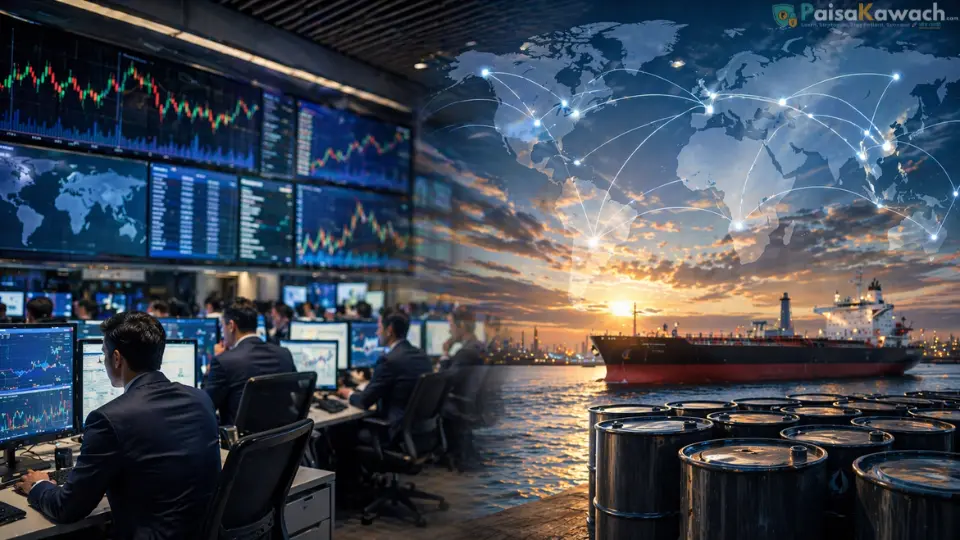
Global financial markets witnessed a strong upward movement on April 16, 2026, as easing geopolitical tensions between the United States and Iran triggered renewed investor confidence. The possibility of de-escalation in one of the world’s most sensitive regions has significantly impacted energy markets, stock indices, and global economic sentiment.
The most critical driver behind today’s rally is the growing expectation of reduced conflict between the US and Iran, particularly around the Strait of Hormuz — a key global oil transit route. Any stability in this region directly influences oil prices, global inflation, and trade flows.
Over the past few weeks, markets had been under pressure due to fears of prolonged conflict disrupting oil supply chains. However, recent diplomatic developments indicate that both sides may be moving toward negotiations, which has reduced the immediate risk of escalation. As a result, investors are returning to equities, driving markets higher across continents.
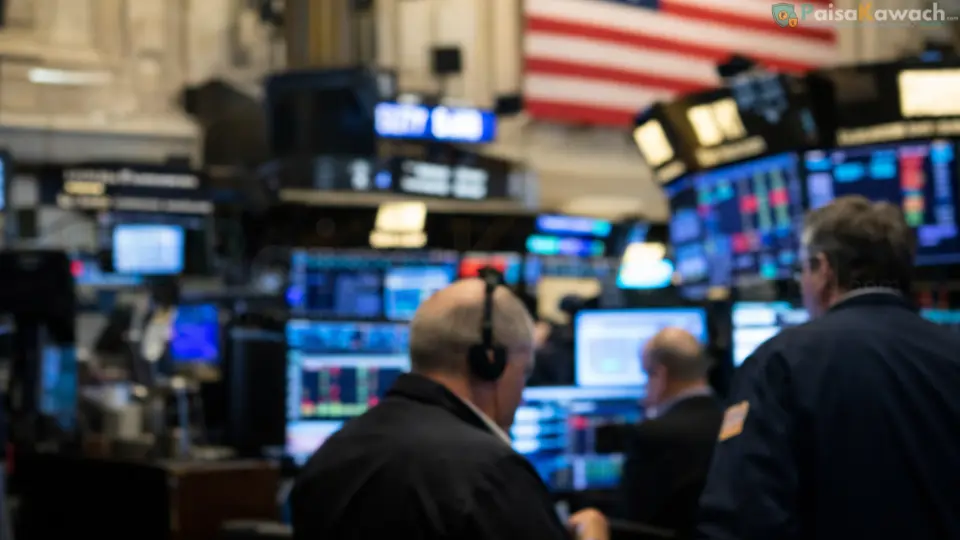
Asian markets led the rally, with Japan’s Nikkei index touching record highs, while other regional indices followed suit. The positive sentiment spilled over into European and American markets, which have also shown resilience due to strong corporate earnings and economic data.
India, one of the fastest-growing major economies, reflected this global optimism clearly. The Sensex surged by over 400 points, while the Nifty crossed the 24,350 mark. This indicates that both domestic and foreign investors are increasingly confident about economic stability and growth prospects.
A major contributor to this shift in sentiment has been the stabilization of oil prices. Crude oil, which had previously surged due to fears of supply disruption, is now trading below $95 per barrel. This decline is significant because high oil prices typically lead to inflation, increased transportation costs, and reduced consumer spending.
The cooling of oil prices provides relief not only to governments but also to businesses that rely heavily on fuel and logistics. Airlines, manufacturing companies, and shipping firms are expected to benefit the most from this development. Lower energy costs can also help central banks manage inflation more effectively without aggressive interest rate hikes.
Oil price stabilization is a key turning point. It reduces inflationary pressure globally and allows economies to maintain growth momentum without tightening monetary policies excessively.
Corporate earnings have also played a crucial role in supporting the market rally. Several major companies, especially in the banking and technology sectors, have reported better-than-expected results. Financial institutions are benefiting from stable interest rates and increased lending activity, while tech companies continue to ride the wave of artificial intelligence and digital transformation.
Semiconductor companies, in particular, are seeing massive demand due to AI infrastructure expansion. This has positioned them as one of the strongest-performing sectors in 2026. Investors are increasingly allocating funds toward these high-growth industries, further fueling market momentum.
However, not all sectors are performing equally well. Luxury brands and tourism-dependent industries are facing headwinds due to reduced consumer spending in regions affected by geopolitical tensions. This highlights how uneven the global recovery remains.
Despite the positive developments, analysts are urging caution. The geopolitical situation, while improving, is still fragile. Any unexpected escalation could reverse the current gains quickly. Additionally, structural challenges such as supply chain disruptions, rising shipping costs, and geopolitical fragmentation continue to pose risks to long-term growth.
The International Monetary Fund (IMF) has also issued warnings about potential economic instability. While short-term recovery appears strong, long-term risks include inflation spikes, increased global debt, and slower economic growth if geopolitical tensions persist or re-emerge.
One of the most important long-term trends emerging from this situation is the shift toward “economic fragmentation,” where countries increasingly rely on regional alliances and strategic trade partnerships instead of globalized systems.
This shift is already visible in how countries are restructuring supply chains to reduce dependency on politically sensitive regions. Companies are diversifying manufacturing bases, investing in local production, and securing alternative energy sources. While these changes improve resilience, they also increase costs, which could impact global pricing structures.
Another significant factor shaping the current market environment is investor psychology. Markets are highly sensitive to news related to geopolitics, and even small developments can trigger large movements. The current rally reflects a sense of relief rather than complete confidence, which means volatility is likely to remain in the coming weeks.
Short-term traders are capitalizing on the optimism, while long-term investors are carefully evaluating risks before making major allocation decisions. This creates a mixed but dynamic market environment.
Looking ahead, the trajectory of global markets will largely depend on three key factors: the progress of US-Iran negotiations, stability in oil prices, and the strength of corporate earnings. If these elements continue to support positive sentiment, markets could maintain their upward trend.
However, any disruption in these factors could lead to sudden corrections. Investors are advised to remain cautious, diversify their portfolios, and stay updated with global developments.
- Global markets surged due to easing US-Iran geopolitical tensions
- Oil prices stabilized below $95, reducing inflation concerns
- Asian and Indian markets led gains with strong investor participation
- Banking and tech sectors outperformed due to strong earnings
- Luxury and tourism sectors faced slowdown due to regional instability
- IMF warned about long-term risks including inflation and global debt
- Supply chain restructuring is reshaping global trade dynamics
- Investor sentiment remains optimistic but cautious amid uncertainties
In conclusion, April 16, 2026, marks a significant day in global financial markets as optimism returns following weeks of uncertainty. While the easing of geopolitical tensions has provided immediate relief, the broader economic landscape remains complex and evolving. Investors, businesses, and policymakers must navigate this environment carefully to sustain growth and stability in the months ahead.
global markets news 2026, US Iran tensions impact economy, oil prices April 2026, stock market rally today, Sensex Nifty news April 16, geopolitical impact on markets, IMF global outlook 2026, stock market analysis, financial news global, oil price impact inflation
Keep Reading: More Insights You Might Like
 Sensex Surges 1,200 Points as Oil Prices Fall and Global Optimism Returns on April 15, 2026
Next →
Sensex Surges 1,200 Points as Oil Prices Fall and Global Optimism Returns on April 15, 2026
Next →
 Stock Market Rally Today: Why Markets Are Rising Despite Global Tensions (April 17, 2026)
Comments
No comments yet. Be the first to comment!