AI-Driven Inflation Risk in 2026: Why Global Investors and Central Banks Are Growing Uneasy
AI Boom Brings an Unexpected Inflation Challenge
Artificial intelligence is reshaping industries, boosting productivity, and attracting trillions of dollars in global investment. However, beneath the optimism, a growing number of global investors are flagging a serious concern: AI-driven inflation may become one of the most underestimated economic risks of 2026.
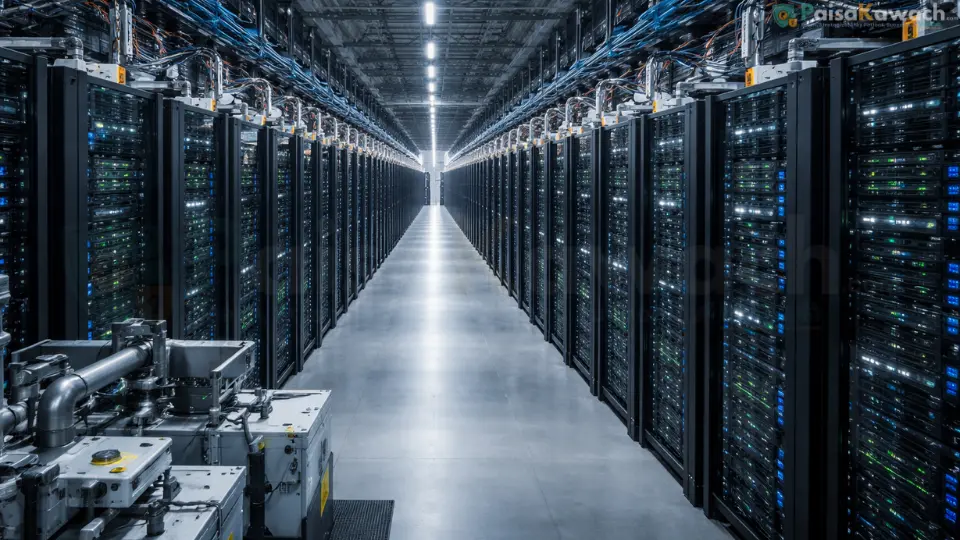
The rapid expansion of AI infrastructure — from hyperscale data centers to advanced semiconductor fabrication — is placing unprecedented pressure on energy systems, supply chains, and raw material costs. These pressures are beginning to ripple through the global economy.
Why AI Infrastructure Is Inflationary by Nature
Unlike previous technology cycles, artificial intelligence is extremely resource-intensive. Training large language models and running real-time AI applications requires massive computing power, constant electricity supply, and specialized hardware.
- Data centers consume significantly more electricity than traditional IT infrastructure
- Advanced chips require rare materials and complex manufacturing processes
- Energy grids are being stretched to meet AI-related demand surges
These factors are pushing up costs across multiple sectors simultaneously, creating conditions that resemble supply-side inflation rather than demand-driven price increases.
Rising Energy and Semiconductor Costs
Energy markets are already showing signs of strain as AI-related power consumption rises across the United States, Europe, and parts of Asia. At the same time, semiconductor demand is intensifying competition for high-end chips used in AI workloads.
Higher energy and chip prices do not remain confined to technology companies. They flow downstream into manufacturing, logistics, cloud services, and even consumer-facing digital products.
Central Banks May Be Forced to Rethink Rate Cuts
Many global central banks entered 2026 expecting inflation to cool enough to justify gradual interest rate cuts. However, persistent cost pressures from AI expansion may complicate that outlook.
If AI-driven cost inflation proves sticky, policymakers could face a difficult trade-off between supporting economic growth and maintaining price stability.
Why Investors Are Paying Close Attention
For global investors, AI-driven inflation introduces a new layer of uncertainty. While AI promises long-term productivity gains, short-term inflation risks could increase market volatility across equities, bonds, and commodities.
- Higher interest rates for longer could pressure equity valuations
- Bond markets may reprice inflation expectations
- Energy and commodity prices could remain elevated
As a result, portfolio strategies are increasingly factoring in energy exposure, infrastructure resilience, and pricing power rather than pure technology growth narratives.
The Bigger Picture for 2026
Artificial intelligence remains one of the most powerful economic forces of the decade. Yet, its rapid deployment is revealing structural constraints that markets may have underestimated.
Whether AI-driven inflation becomes a temporary adjustment or a persistent macro challenge will depend on how quickly energy capacity expands, supply chains adapt, and efficiency gains offset rising costs.
For now, investors and policymakers alike are watching closely, aware that the AI revolution may come with inflationary consequences that cannot be ignored.
Keep Reading: More Insights You Might Like
 Trump Warns India Over Trade Ties, Signals Possible Tariffs Amid Russia Oil and Venezuela Tensions
Next →
Trump Warns India Over Trade Ties, Signals Possible Tariffs Amid Russia Oil and Venezuela Tensions
Next →
 Advance GDP Estimate for FY26 Released Today: Why It Matters for Markets and Budget 2026
Comments
No comments yet. Be the first to comment!