Advance GDP Estimate for FY26 Released Today: Why It Matters for Markets and Budget 2026
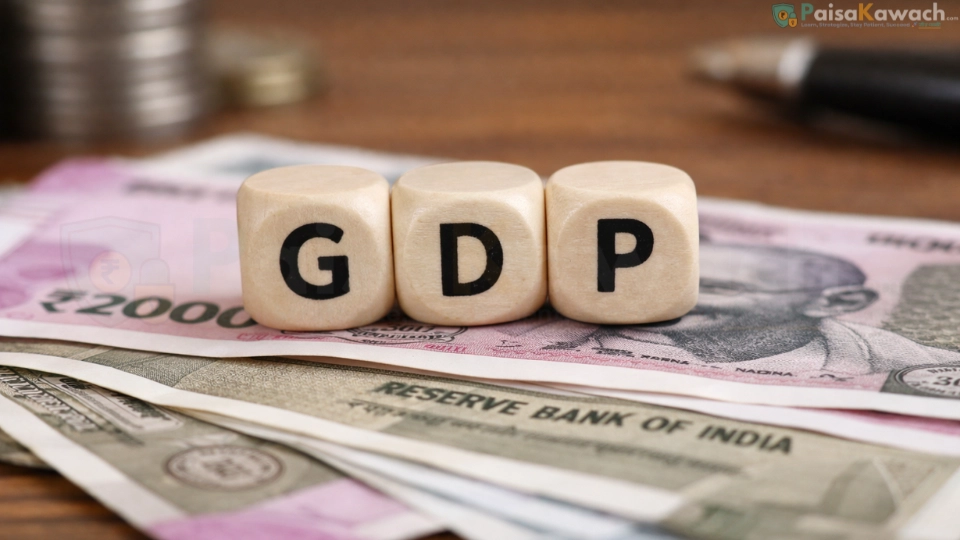
India’s FY26 Advance GDP Estimate Takes Center Stage Today
India is set to receive one of its most closely watched macroeconomic indicators today — the first advance estimate of GDP growth for FY26. Released by the Ministry of Statistics and Programme Implementation (MoSPI), this estimate provides an early snapshot of how the Indian economy is expected to perform in the current financial year.
While it is not the final word on growth, this number carries outsized importance. Markets, policymakers, and institutional investors closely track it because it becomes the statistical foundation for Budget 2026 calculations and broader fiscal strategy.
Why the Advance GDP Estimate Is So Important
The advance estimate is prepared using partial data from the first half of the financial year, combined with trends across agriculture, manufacturing, services, and government spending. Despite being an early estimate, it often sets the tone for economic expectations well into the next few quarters.
- It guides the government’s revenue projections for the upcoming Union Budget.
- It influences fiscal deficit assumptions and borrowing plans.
- It shapes market confidence around economic momentum.
- It provides a benchmark for global investors assessing India’s growth outlook.
FY26 Growth Expectations: What the Market Is Watching
Early projections suggest India’s GDP growth for FY26 could fall in the range of 7.3% to 7.5%. If confirmed, this would reinforce India’s position as one of the fastest-growing major economies globally, even amid uneven global growth conditions.
However, investors will look beyond the headline number. The composition of growth — particularly the balance between consumption, investment, exports, and government spending — will matter just as much as the overall percentage.
Key questions markets will assess:
- Is growth being driven by private consumption or government spending?
- Are capital expenditure trends sustaining momentum?
- Is the services sector offsetting any slowdown in manufacturing?
Implications for Budget 2026
The FY26 advance GDP estimate directly feeds into the government’s fiscal calculations for Budget 2026. A higher growth assumption typically supports stronger tax revenue projections without raising tax rates, giving policymakers more headroom for infrastructure spending and welfare initiatives.
On the other hand, a lower-than-expected estimate may require recalibration of spending priorities or borrowing plans to maintain fiscal discipline.
Market Reaction: What to Expect Through the Day
Equity markets usually react quickly once the advance estimate is released. While the GDP number alone does not determine intraday direction, it influences broader sentiment, particularly for banking, infrastructure, capital goods, and consumption-oriented sectors.
Bond yields and the rupee are also sensitive to growth expectations, as they affect assumptions around government borrowing and medium-term interest rate outlooks.
The Bigger Picture
Today’s advance GDP estimate is more than just a data release — it sets the narrative. It frames how India’s economic story will be discussed in the months leading up to Budget 2026, influencing policy debates, investor positioning, and long-term growth expectations.
As revised estimates and actual data emerge later in the year, the growth picture may evolve. But for now, this figure will anchor India’s macroeconomic outlook for FY26.
Keep Reading: More Insights You Might Like
 AI-Driven Inflation Risk in 2026: Why Global Investors and Central Banks Are Growing Uneasy
Next →
AI-Driven Inflation Risk in 2026: Why Global Investors and Central Banks Are Growing Uneasy
Next →
 U.S. Stock Markets Hit Record Highs as Dow Crosses 49,000 on Earnings Optimism
Comments
No comments yet. Be the first to comment!