TCS Q3 FY26 Results: Profit Declines 14% Year-on-Year, Board Rewards Shareholders With Interim and Special Dividend
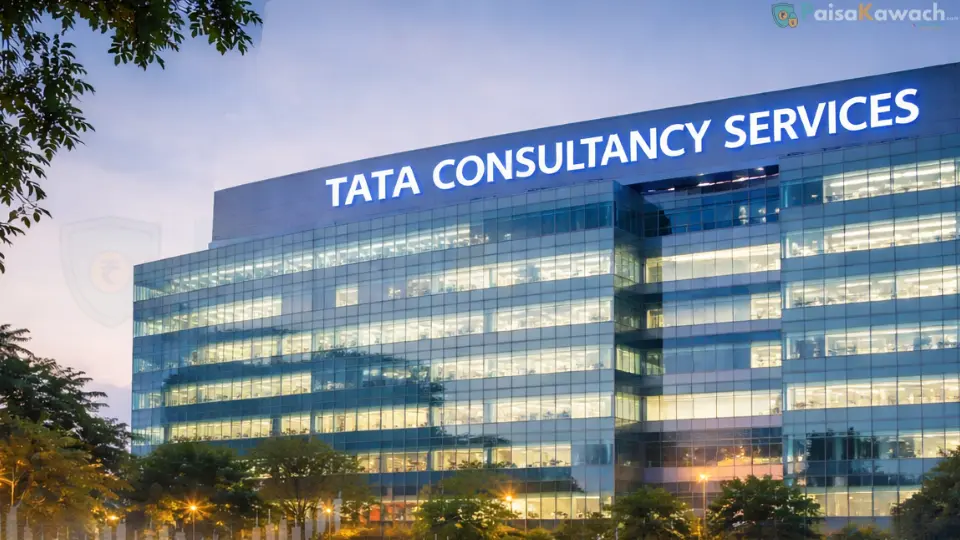
TCS Q3 FY26 Financial Performance Overview
Tata Consultancy Services (TCS), India’s largest IT services company, reported a decline in profitability for the third quarter of FY26, reflecting sustained pressure on global technology spending. Despite the softer earnings performance, the company announced a strong interim and special dividend, signaling confidence in its balance sheet, cash flows, and long-term business fundamentals.
Q3 FY26 Snapshot – Tata Consultancy Services
- Profit: Down ~14% year-on-year
- Demand Environment: Cautious global IT spending
- Dividend: Interim and special dividend announced
- Sector Impact: Sets tone for Indian IT earnings season
Profit Declines Amid Global IT Spending Caution
For the quarter ended December 2025, TCS posted a year-on-year profit decline of approximately 14%. The contraction was primarily driven by muted client spending across key overseas markets, currency-related headwinds, and pricing pressure in discretionary technology services.
Enterprise clients in North America and Europe continued to delay large-scale digital transformation initiatives, prioritizing cost optimization and efficiency-led programs over aggressive expansion. This shift has weighed on revenue growth and operating margins across the broader Indian IT sector.
Key Challenges Impacting Q3 Performance
- Soft demand for discretionary and non-essential technology projects
- Margin pressure due to wage normalization and utilization adjustments
- Currency volatility impacting overseas revenue realization
Dividend Announcement Provides Relief to Investors
Despite the earnings contraction, TCS’s board approved a combination of interim and special dividends, reinforcing the company’s long-standing commitment to returning surplus capital to shareholders.
The dividend announcement helped offset concerns around near-term earnings softness and positioned TCS as a defensive large-cap IT stock for investors seeking income stability and capital preservation.
What This Means for Investors
- Dividend-focused investors may view TCS as a stable income-generating IT stock
- Short-term traders may remain cautious amid global demand uncertainty
- Long-term investors may see value accumulation opportunities during sector weakness
How TCS Compares With Other IT Majors
TCS’s performance reflects a broader trend across the Indian IT sector, where peers such as Infosys and HCL Technologies have also reported subdued growth due to cautious enterprise technology spending and delayed decision-making by global clients.
According to BBC, global technology companies are witnessing delayed enterprise spending as organizations prioritize cost control amid economic and geopolitical uncertainty.
Management Strategy and Outlook
Management commentary indicated a cautious yet constructive outlook for the coming quarters. While near-term demand remains uneven, TCS expects gradual improvement driven by cloud modernization initiatives, AI-led automation programs, and vendor consolidation opportunities.
- Operational efficiency and margin protection
- Selective hiring aligned with demand visibility
- Expansion of high-value digital and AI-led service offerings
What to Watch Going Forward
- Signs of recovery in discretionary IT spending
- Margin trends amid wage and utilization normalization
- AI-led deal wins and large contract announcements
Conclusion
While TCS’s Q3 FY26 profit decline highlights ongoing challenges in the global IT landscape, the robust dividend announcement underscores the company’s financial strength and shareholder-first approach. As demand conditions stabilize, TCS remains well-positioned to participate in the next technology upcycle.
Keep Reading: More Insights You Might Like
 NVIDIA and AMD Unveil Next-Generation AI Chips, Signaling a New Phase in Global Computing Power
Next →
NVIDIA and AMD Unveil Next-Generation AI Chips, Signaling a New Phase in Global Computing Power
Next →
 Gold Hits Record High as Safe-Haven Demand Rises Amid Global Uncertainty
Comments
No comments yet. Be the first to comment!