NVIDIA and AMD Unveil Next-Generation AI Chips, Signaling a New Phase in Global Computing Power
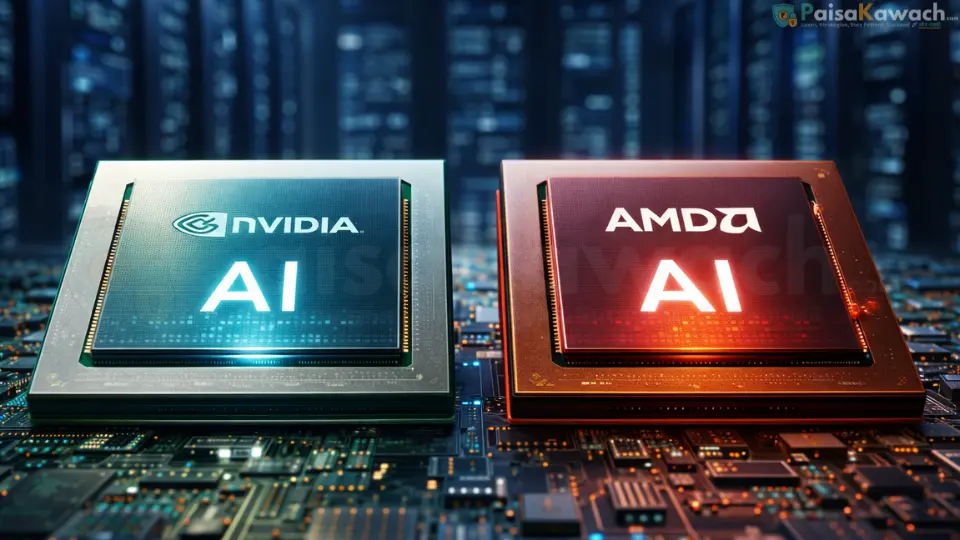
The global technology landscape is entering a new phase as NVIDIA and AMD reveal their next-generation artificial intelligence chips and computing platforms, underscoring the accelerating demand for high-performance AI infrastructure.
The announcements highlight how chipmakers are repositioning themselves at the center of AI-driven transformation across cloud computing, enterprise systems, autonomous technologies, and advanced data centers.
AI Chips Move Beyond Raw Performance
Unlike earlier generations focused primarily on speed, the latest AI chips from NVIDIA and AMD emphasize scalability, energy efficiency, and workload specialization. These platforms are designed to support increasingly complex AI models that require massive parallel processing and optimized memory architecture.
The shift reflects a broader industry trend: AI is no longer experimental. It has become a core operational layer for businesses across finance, healthcare, manufacturing, and digital services.
NVIDIA’s Expanding AI Ecosystem
NVIDIA’s new offerings build upon its dominance in accelerated computing. The company continues to integrate hardware, software frameworks, and AI-specific networking into unified platforms aimed at hyperscale data centers and enterprise AI deployments.
This ecosystem-driven approach strengthens customer lock-in while allowing faster deployment of large-scale AI models, particularly in cloud and research environments.
AMD Strengthens Its AI and Data Center Push
AMD’s next-generation platforms signal a more aggressive push into AI acceleration and high-performance computing. By combining advanced CPUs, GPUs, and adaptive computing solutions, AMD aims to offer flexible alternatives for enterprise and cloud providers seeking diversified AI hardware stacks.
The company’s strategy reflects growing demand for competitive options in AI infrastructure, as customers increasingly prioritize performance-per-watt, cost efficiency, and supply chain resilience.
Why This Matters for the Tech Business Market
The unveiling of new AI chips is not just a product update—it represents a structural shift in the global tech economy. AI workloads are driving unprecedented capital spending by cloud providers, governments, and large enterprises.
- Data center investments continue to accelerate worldwide
- AI infrastructure is becoming a long-term revenue engine
- Chipmakers are evolving into platform providers
As AI adoption expands, demand for advanced computing hardware is expected to remain resilient even amid broader economic uncertainty.
Competitive Landscape Intensifies
The race between NVIDIA and AMD reflects a broader competitive dynamic in the semiconductor industry. Innovation cycles are shortening, and leadership is increasingly defined by ecosystem depth rather than chip specifications alone.
For investors and enterprise buyers alike, the focus is shifting toward long-term platform sustainability, software compatibility, and the ability to support rapidly evolving AI models.
Outlook for AI Computing in 2026
With NVIDIA and AMD pushing forward aggressively, AI computing is set to remain one of the most influential forces shaping the technology sector in 2026 and beyond. The next wave of innovation is likely to center on efficiency, scalability, and seamless AI deployment across industries.
As enterprises deepen their reliance on artificial intelligence, next-generation chips are becoming foundational infrastructure rather than optional upgrades.
Keep Reading: More Insights You Might Like
 US Markets Slip as Trump–Fed Tensions Shake Investor Confidence and Weigh on Dollar
Next →
US Markets Slip as Trump–Fed Tensions Shake Investor Confidence and Weigh on Dollar
Next →
 TCS Q3 FY26 Results: Profit Declines 14% Year-on-Year, Board Rewards Shareholders With Interim and Special Dividend
Comments
No comments yet. Be the first to comment!