Trump Warns India Over Trade Ties, Signals Possible Tariffs Amid Russia Oil and Venezuela Tensions
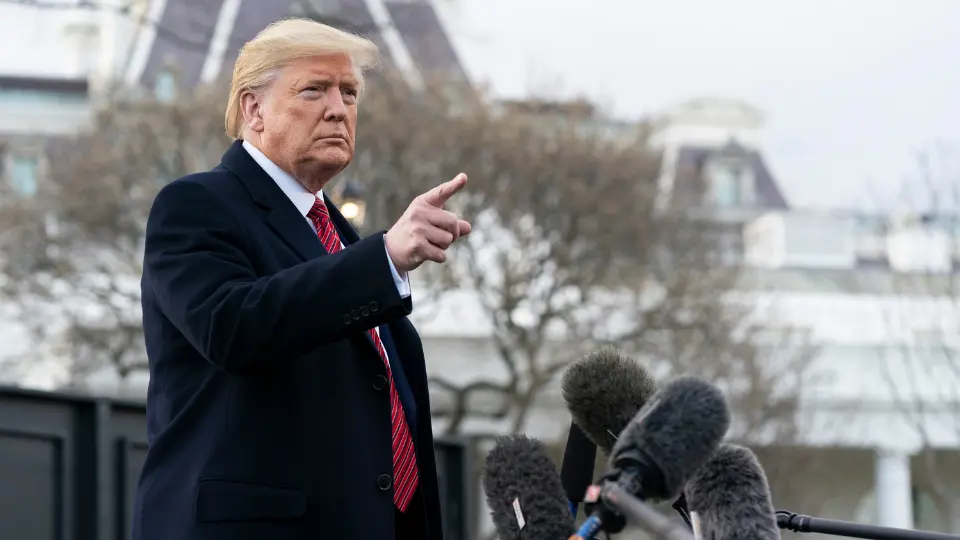
US President Donald Trump has issued a fresh warning to India on trade, signaling that the United States could impose higher tariffs on Indian goods if New Delhi does not align more closely with Washington’s position on Russia-related energy trade. The remarks, made on January 5, 2026, introduce new uncertainty into India–US economic relations at a time of heightened global geopolitical stress.
Trump’s Trade Warning to India
Speaking to reporters, President Trump indicated that India’s continued purchase of discounted Russian oil remains a key concern for the US administration. He suggested that trade policy—including tariffs—could be used as leverage if cooperation is not forthcoming.
The comments revive concerns over protectionist trade measures and raise questions for Indian exporters in sectors such as engineering goods, pharmaceuticals, textiles, and IT-enabled services.
Why Russian Oil Is Central to the Dispute
India has significantly increased its imports of Russian crude since global sanctions reshaped energy markets. From India’s perspective, these purchases support domestic energy security and help manage inflationary pressures.
However, the US views this trade as undermining broader geopolitical efforts to isolate Russia economically. Trump’s remarks suggest that trade policy may increasingly be used to influence strategic alignment rather than purely economic considerations.
Venezuela Factor: Rising Geopolitical Pressure
Trump’s warning to India comes against the backdrop of escalating geopolitical tensions involving Venezuela. Recent US actions in Venezuela have heightened global risk perception, influencing oil markets, safe-haven flows, and diplomatic alignments.
For India, the Venezuela situation reinforces the complexity of maintaining strategic autonomy while navigating relationships with major global powers. Energy security, trade access, and geopolitical neutrality are becoming increasingly intertwined.
How This Aligns With India’s Position
India has traditionally pursued a balanced foreign policy, engaging with multiple power blocs while prioritizing national economic interests. The Russia oil issue and Venezuela tensions highlight the challenges of sustaining this approach in an increasingly polarized global environment.
Trade pressure from the US could force India to recalibrate negotiations without immediately altering its energy strategy.
Potential Impact on Markets and Trade
- Increased uncertainty for Indian exporters targeting the US market
- Short-term volatility in currency and equity markets
- Heightened focus on trade diplomacy and bilateral negotiations
- Greater investor sensitivity to geopolitical headlines
Market participants are expected to closely track diplomatic signals from both governments, as well as any formal policy announcements.
What to Watch Next
Investors and businesses will monitor upcoming US trade statements, India’s official response, and developments in global energy markets. Any escalation in tariff rhetoric could have ripple effects across supply chains and capital flows.
Keep Reading: More Insights You Might Like
 India Crosses $50 Billion iPhone Export Milestone, Strengthening Its Global Manufacturing Role
Next →
India Crosses $50 Billion iPhone Export Milestone, Strengthening Its Global Manufacturing Role
Next →
 AI-Driven Inflation Risk in 2026: Why Global Investors and Central Banks Are Growing Uneasy
Comments
No comments yet. Be the first to comment!