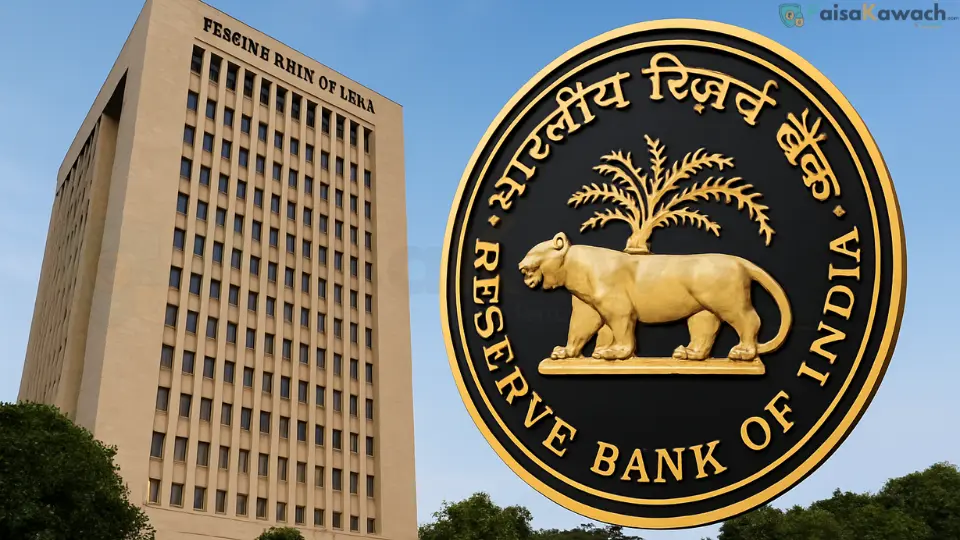
Nationwide Bank Strike Disrupts Public Sector Banking Services Across India on January 27, 2026
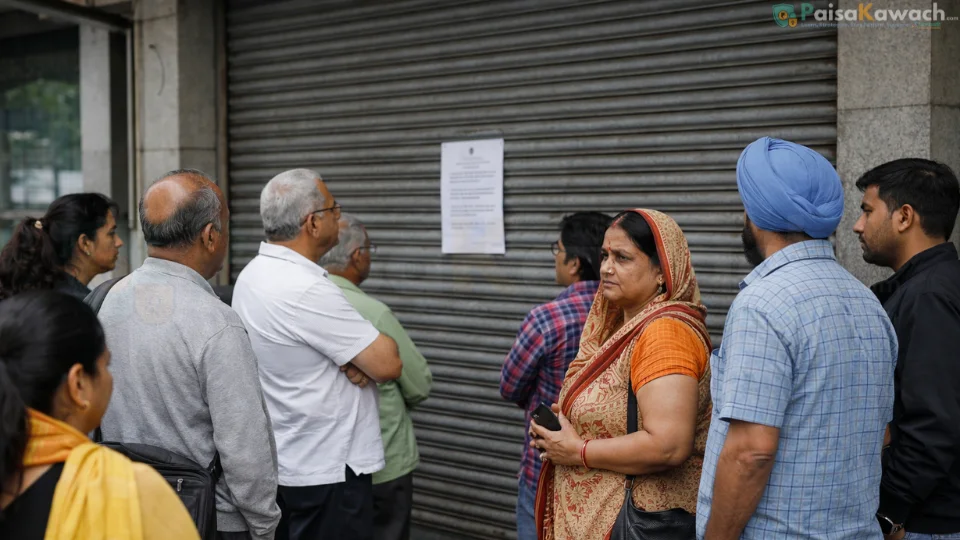
Public Sector Banks Witness Nationwide Strike
Public sector banking operations across India were disrupted on Tuesday, January 27, 2026, as employees of government-owned banks observed a nationwide strike. The action, called by major bank unions, comes amid unresolved demands related to working conditions, staffing norms, and long-standing structural reforms in the banking sector.
The strike follows a long holiday weekend due to Republic Day, amplifying its impact on customers who were already facing limited branch access. While digital banking channels remain largely operational, physical branch services have seen noticeable slowdowns in several states.
Bank Strike Snapshot
- Date: January 27, 2026
- Banks Affected: Majority of public sector banks
- Key Demands: Five-day work week, recruitment, workload rationalisation
- Services Impacted: Branch banking, cheque clearing, cash transactions
- Digital Services: ATMs, UPI, mobile and internet banking operational
Why Bank Employees Are Protesting
The strike has been organised by the United Forum of Bank Unions (UFBU), which represents employees across multiple public sector banks. A central demand is the implementation of a five-day work week, similar to other financial institutions, along with faster recruitment to address staff shortages.
Unions have also raised concerns over increasing workloads, extended branch hours without proportional staffing, and delays in wage revision talks. According to BBC, banking unions have warned that operational efficiency and employee well-being could suffer further if these issues remain unresolved.
Impact on Customers and Markets
For customers, the immediate impact has been felt in branch-dependent services such as cash withdrawals above ATM limits, cheque deposits, and documentation-related requests. Businesses relying on physical banking channels may also experience short-term cash flow delays.
From a market perspective, the strike has limited direct impact on equity trading, as stock exchanges and digital payment systems continue to function normally. However, prolonged disruptions can affect sentiment around public sector banks, especially amid ongoing discussions on banking reforms and consolidation.
How This Compares With the Private Banking Sector
Private sector banks and foreign banks are largely unaffected by the strike, as their employees are not part of the union-led action. These institutions continue to operate normally, highlighting a structural divide in work culture, staffing flexibility, and labour relations between public and private lenders.
This contrast has once again brought attention to calls for modernisation and operational reforms within public sector banks to remain competitive in an increasingly digital and customer-driven environment.
What to Watch Next
Attention now turns to whether bank managements and the government will reopen negotiations with employee unions in the coming days. Any formal assurance or timeline on key demands could determine whether further industrial action is avoided.
With the Union Budget approaching, analysts will also watch for policy signals related to banking reforms, workforce rationalisation, and capital support for public sector banks, which could shape the sector’s trajectory in the months ahead.
Keep Reading: More Insights You Might Like
 Indian Stock Market Weekly Report: Nifty and Sensex Slide Amid Global Uncertainty (Jan 19–23, 2026)
Next →
Indian Stock Market Weekly Report: Nifty and Sensex Slide Amid Global Uncertainty (Jan 19–23, 2026)
Next →
 India and European Union Conclude Long-Awaited Free Trade Agreement After Nearly Two Decades
Comments
No comments yet. Be the first to comment!