Indian Rupee and Bond Market Outlook Remains Cautious Amid Global Tensions and RBI Strategy
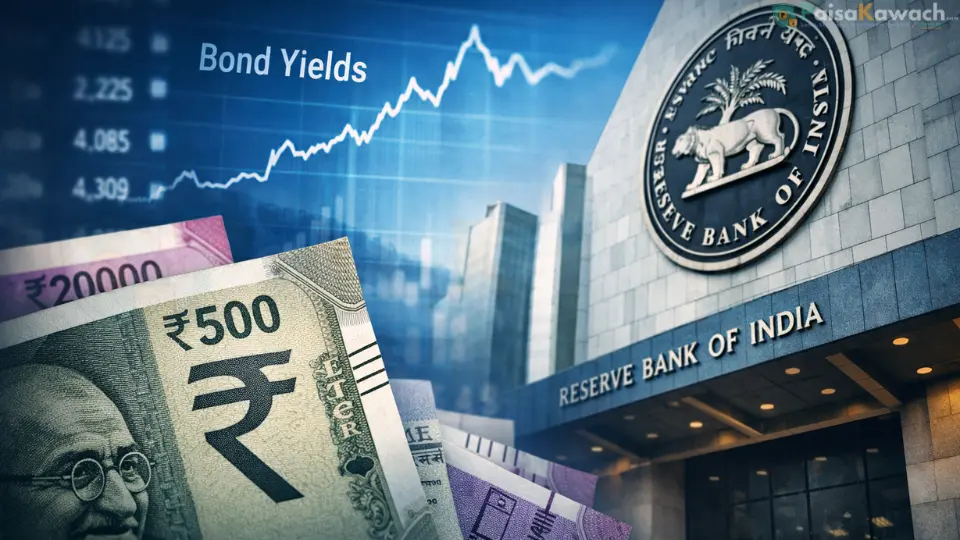
Rupee Faces Continued Pressure Amid Global Uncertainty
The Indian rupee is trading in a cautious zone as global geopolitical tensions, a firm U.S. dollar, and uncertain capital flows continue to weigh on emerging market currencies. Despite relatively strong domestic fundamentals, external factors remain the dominant driver for near-term currency movement.
Currency market participants indicate that risk sentiment remains fragile, with investors closely watching developments in global energy markets, geopolitical hotspots, and shifting expectations around U.S. interest rates.
RBI’s Forex Strategy Focuses on Stability, Not Levels
The Reserve Bank of India has maintained a measured approach to currency management, intervening selectively to prevent excessive volatility rather than defending any fixed exchange rate level. This strategy reflects the central bank’s broader objective of preserving financial stability while allowing market forces to determine fair value.
With foreign exchange reserves remaining at comfortable levels, the RBI appears confident in its ability to manage disorderly moves without exhausting reserves or distorting market mechanisms.
Bond Market Attention Shifts to Liquidity Operations
In the bond market, investor focus has shifted toward the RBI’s liquidity operations and their impact on system-wide funding conditions. Variable rate repos, open market operations, and liquidity absorption measures are being closely tracked by traders and institutions alike.
Stable liquidity conditions are viewed as critical for keeping bond yields anchored, especially as government borrowing remains elevated and global yields stay volatile.
Key Drivers Influencing the Bond Market
- RBI liquidity management actions
- Government borrowing plans and fiscal signals
- Movement in global bond yields, especially U.S. Treasuries
- Foreign investor participation trends
Global Bond Index Inclusion Remains a Structural Positive
Another supportive factor for the Indian bond market is the ongoing progress toward inclusion in major global bond indices. Market participants expect that index-related inflows could gradually improve market depth, enhance price discovery, and reduce long-term borrowing costs.
While the impact is expected to be phased rather than immediate, the structural implications are viewed positively by both domestic and international investors.
Outlook: Stability with Global Sensitivity
Looking ahead, both the rupee and bond markets are expected to remain sensitive to global developments while drawing stability from domestic policy discipline. Sharp directional moves appear unlikely unless triggered by significant external shocks.
For investors and businesses, the current environment underscores the importance of risk management, disciplined positioning, and close monitoring of global macro signals.
Keep Reading: More Insights You Might Like
 Trump’s Foreign Policy Turmoil: Venezuela Strategy, Greenland Threats, and Iran Warnings Shake Global Diplomacy
Next →
Trump’s Foreign Policy Turmoil: Venezuela Strategy, Greenland Threats, and Iran Warnings Shake Global Diplomacy
Next →
 US Markets Slip as Trump–Fed Tensions Shake Investor Confidence and Weigh on Dollar
Comments
No comments yet. Be the first to comment!