Trump’s Foreign Policy Turmoil: Venezuela Strategy, Greenland Threats, and Iran Warnings Shake Global Diplomacy
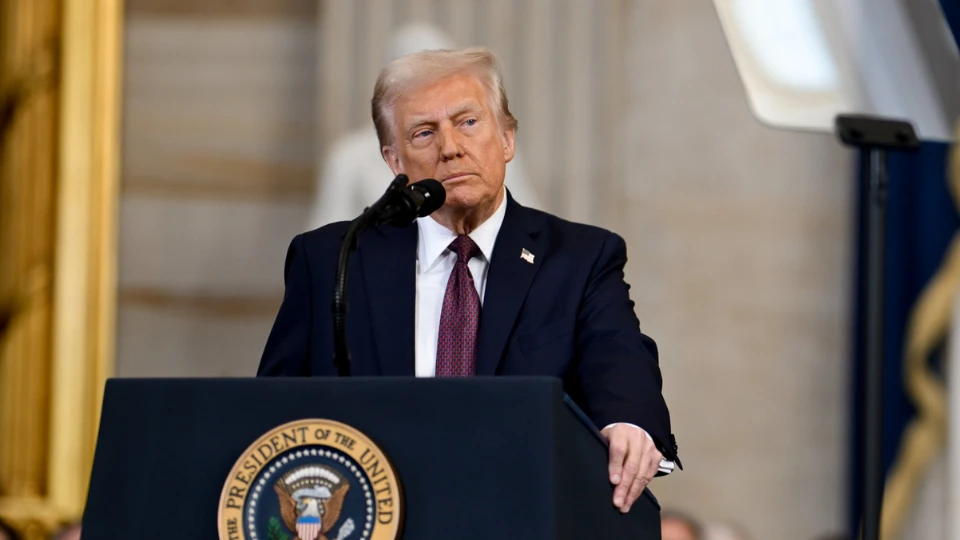
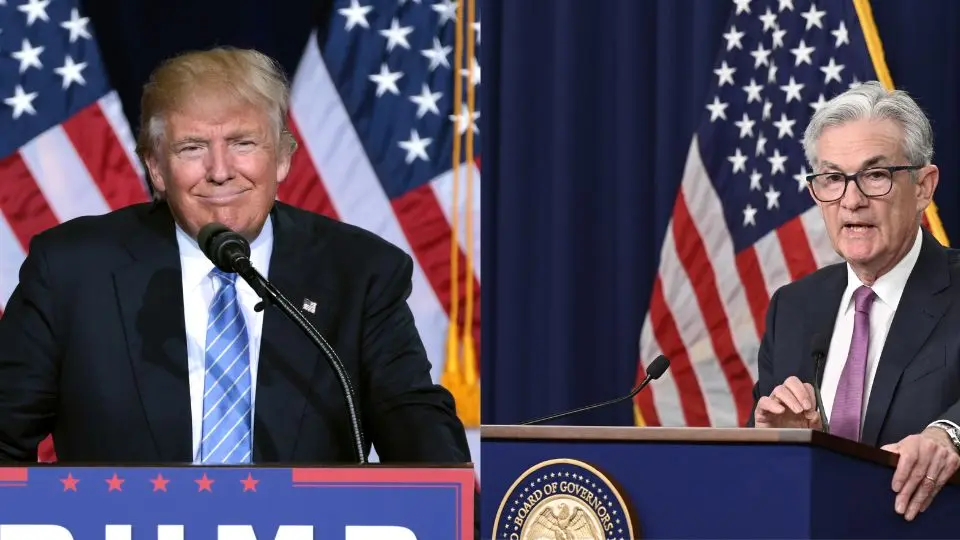
By The Trump White House – Public Domain, via Wikimedia Commons
U.S. President Donald Trump has once again placed global diplomacy under the spotlight after delivering a series of assertive foreign policy statements involving Venezuela, Greenland, and Iran. The remarks, made during discussions with oil industry leaders and in subsequent public comments, have drawn strong reactions from allies, critics, and geopolitical analysts across the world.
Venezuela and the Oil Strategy Shift
Trump’s comments on Venezuela focused heavily on the country’s vast oil reserves and the role the United States could play in restoring its energy infrastructure. He suggested that American companies could be encouraged to invest heavily in rebuilding Venezuela’s oil sector, with the U.S. providing security assurances rather than direct financial support.
This approach signals a more interventionist stance, blending geopolitical influence with energy strategy. While proponents argue it could stabilize global oil supply, critics warn that it risks inflaming regional tensions and undermining international norms.
Private Investment Over Government Funding
According to Trump’s remarks, private oil companies would be expected to shoulder the financial burden of redevelopment, while the U.S. government would focus on strategic oversight and protection. This model reflects his broader preference for leveraging private capital to advance national interests abroad.
Greenland Comments Raise Sovereignty Concerns
Trump’s renewed focus on Greenland has reignited diplomatic sensitivities in Europe. He described the Arctic territory as strategically critical for national security, citing growing global competition in the region.
However, his assertive tone suggested that U.S. interests should take precedence, prompting swift pushback from European leaders who reiterated that Greenland’s future must be determined by its people and existing international agreements.
Sharp Warnings Directed at Iran
In parallel, Trump issued strong warnings toward Iran amid ongoing internal unrest. His comments implied that harsh responses could follow if violence escalated, reinforcing a confrontational posture toward Tehran.
Such language has raised concerns among diplomats who fear that heightened rhetoric could contribute to further instability in an already fragile region.
Global Reaction and Diplomatic Implications
International response to Trump’s statements has been largely cautious, with many governments expressing concern over the potential consequences of unilateral actions. Analysts note that the combination of energy policy, territorial rhetoric, and security threats could complicate existing alliances and strain diplomatic channels.
As global leaders assess the implications, Trump’s remarks underscore how quickly foreign policy signals can reshape international expectations, markets, and geopolitical risk calculations.
Keep Reading: More Insights You Might Like
 Reliance Jio IPO 2026: Mukesh Ambani’s Telecom Arm Prepares for Potential Record-Breaking Listing
Next →
Reliance Jio IPO 2026: Mukesh Ambani’s Telecom Arm Prepares for Potential Record-Breaking Listing
Next →
 Indian Rupee and Bond Market Outlook Remains Cautious Amid Global Tensions and RBI Strategy
Comments
No comments yet. Be the first to comment!