How Does the Stock Market Work? A Complete Beginner’s Guide with Real-World Insights
The stock market often feels like an intimidating place for beginners. Numbers flash across screens, experts talk about bull runs and bear phases, and global news seems to shift prices overnight. Yet, beneath this surface, the stock market is a structured system that powers modern economies. It is where businesses raise capital and investors grow wealth. Understanding how it functions is the first step for anyone aiming to build long-term financial security. This article offers a comprehensive explanation of how the stock market works, illustrated with real-world money values in rupees (₹) and their dollar ($) equivalents for clarity.
What is the Stock Market?
The stock market is a regulated exchange where investors trade pieces of ownership in companies. These ownership units are called shares or stocks. Owning a share means you are a co-owner of that company—however small your stake may be. As a shareholder, you benefit when the company grows, and you face risk if it struggles. This direct link between business performance and investor wealth makes the stock market one of the most powerful wealth-creation tools ever designed.
Why Do Companies List on the Stock Market?
Companies list their shares for one primary reason: to raise money. Instead of relying only on bank loans, businesses invite the public to invest through an Initial Public Offering (IPO). Investors buy shares, and in return, the company receives funds to expand, innovate, or pay off debt.
Benefits for Companies
- Capital without debt: Raising funds without the pressure of fixed interest payments.
- Enhanced credibility: Listed companies gain trust, visibility, and easier access to future financing.
- Liquidity for investors: Early stakeholders, like venture capitalists, can sell their shares to the public.
Benefits for Investors
- Potential for wealth growth through price appreciation.
- Steady income from dividends.
- Diversification compared to traditional savings or fixed deposits.
How the Stock Market Works Step by Step
1. The Primary Market
This is where companies issue shares for the first time through IPOs. Investors subscribe by paying the issue price, and in exchange, receive newly minted shares. Once listed, these shares move into the secondary market.
2. The Secondary Market
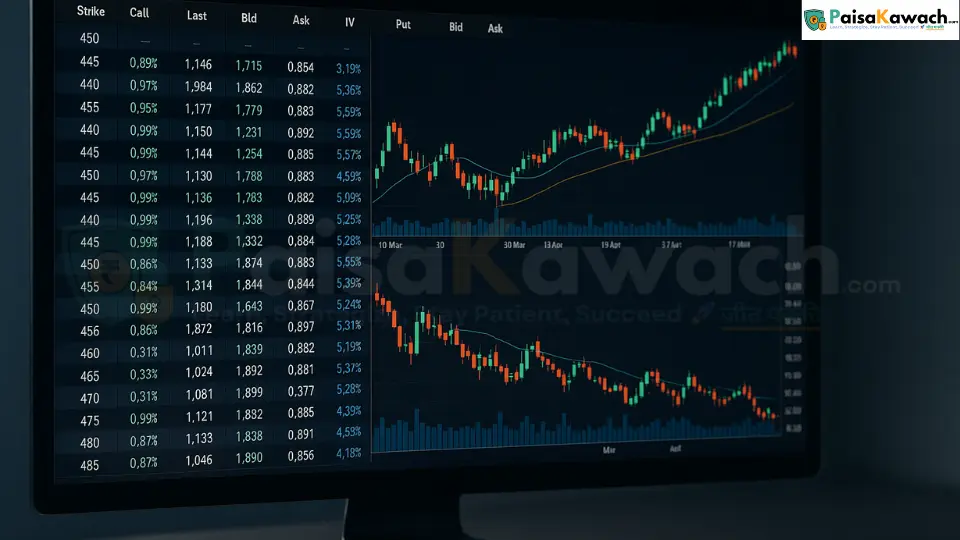
This is what people typically mean by “stock market.” Here, investors trade shares daily on exchanges like NSE (National Stock Exchange) and BSE (Bombay Stock Exchange). Globally, the NYSE and NASDAQ are well-known examples. Share prices fluctuate continuously due to demand and supply dynamics.
3. Trading Accounts and Brokers
Investors cannot directly walk into an exchange. They must open a demat account to hold shares and a trading account to buy and sell them. Brokers like Zerodha, Upstox, HDFC Securities, and ICICI Direct act as intermediaries, charging brokerage fees for facilitating transactions.
4. Price Discovery
Stock prices are determined through the constant interaction of buyers and sellers. If demand for a stock is greater than supply, prices rise. If selling pressure outweighs buying, prices fall. This real-time mechanism is known as price discovery.
Why Do Stock Prices Change?
Price movements may appear random, but they usually reflect a combination of factors:
- Company earnings: Strong profits drive demand and prices higher.
- Economic conditions: Inflation, interest rates, and GDP growth influence investor sentiment.
- Global events: Oil prices, geopolitical tensions, or U.S. Federal Reserve policy impact markets worldwide.
- Investor psychology: Fear and greed often lead to exaggerated reactions, creating volatility.
Types of Market Participants
The market is a mix of different players, each with unique goals and strategies:
- Retail investors: Individual participants who trade in small volumes.
- Institutional investors: Large entities like mutual funds, insurance companies, and pension funds.
- Foreign investors: Global funds that bring in foreign capital.
- Traders: Short-term participants who seek quick profits from price fluctuations.
Ways to Invest in the Stock Market
1. Direct Equity
Buying shares of companies directly on exchanges. High potential returns but also higher risk.
2. Mutual Funds
Managed by professionals who pool money from many investors to buy diversified portfolios.
3. Exchange-Traded Funds (ETFs)
Funds that track indices like Nifty 50, offering low-cost diversification. Example: NiftyBees trades like a regular share.
4. Derivatives
Instruments like Futures and Options for advanced traders. Useful for hedging but carry significant risks.
Risks Every Beginner Should Know
While the stock market creates wealth, it comes with risks:
- Volatility: Prices can move 5–10% in a single day.
- Economic downturns: Recessions or policy changes affect all sectors.
- Stock-specific risks: Poor management decisions can ruin a company.
- Emotional investing: Acting on fear or greed often leads to losses.
How Beginners Can Start Safely
- Open a demat and trading account with a reputed broker.
- Start small—invest amounts you can afford to lose, like ₹5,000 (≈ $60).
- Focus on large, stable companies (blue chips) before venturing into smaller stocks.
- Avoid intraday trading until you understand risks deeply.
- Read annual reports, follow company news, and practice patience.
Stock Market FAQs
Is the stock market safe for beginners?
It is safe if approached with education, discipline, and patience. Short-term trading is risky, but long-term investing in strong companies can create wealth.
How much money do I need to start?
Technically, even ₹100 (≈ $1.20) is enough to buy shares of some companies. However, a starting portfolio of ₹5,000–₹10,000 (≈ $60–$120) is practical for learning.
How are profits made?
Investors earn through two channels: price appreciation and dividends. Traders may also profit from short-term fluctuations.
Which is better: stocks or mutual funds?
Mutual funds are better for beginners lacking time or expertise, while direct stocks offer higher control but require more research.
Conclusion
The stock market is not a lottery or a gamble. It is a structured system where knowledge, patience, and discipline determine success. Beginners should view it as a journey: start small, learn continuously, and focus on building wealth over time rather than chasing quick profits. As history shows, markets reward those who stay invested and penalize those who act impulsively.
Keep Reading: More Personal Finance Insights
 Why Every Non-Business Person Should Know About Dividends: A Simple Guide to Growing Wealth
Next →
Why Every Non-Business Person Should Know About Dividends: A Simple Guide to Growing Wealth
Next →
 Stable vs Trend-Catching Businesses: Which Model is Truly Sustainable in 2025 and Beyond?
Comments
No comments yet. Be the first to comment!