The Real 10-Year Cost of That Dream Car You're Saving For
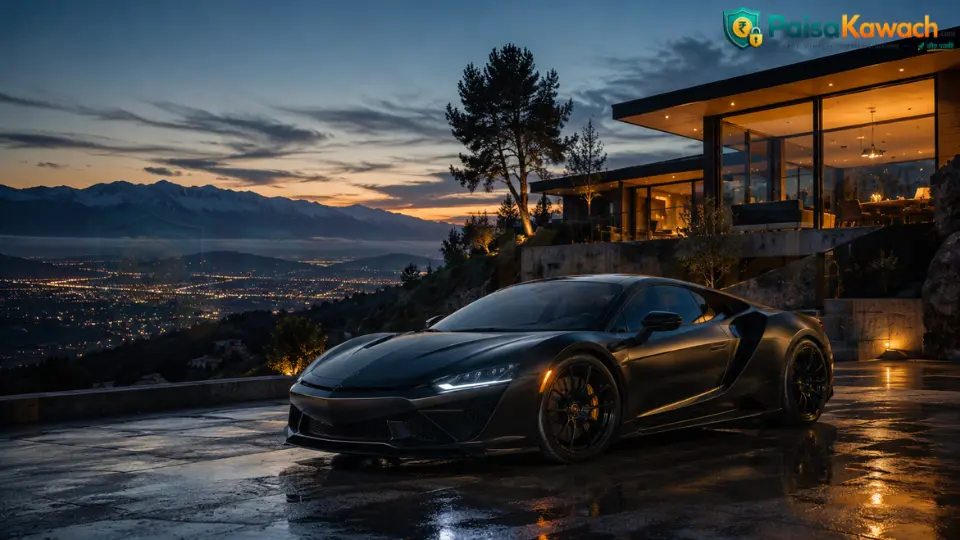
You've probably calculated the EMI. Maybe even the down payment. But almost nobody calculates the real number: what that car actually costs, all-in, over a decade.
It's not your fault. Car ads are built specifically to keep your attention on one number: the low monthly EMI, the "starting from" price, the flashy cashback offer. Nobody puts "and here's what you'll spend on fuel, insurance, and repairs over the next ten years" on a billboard. That number lives buried in spreadsheets nobody makes you look at until you're already signing the loan.
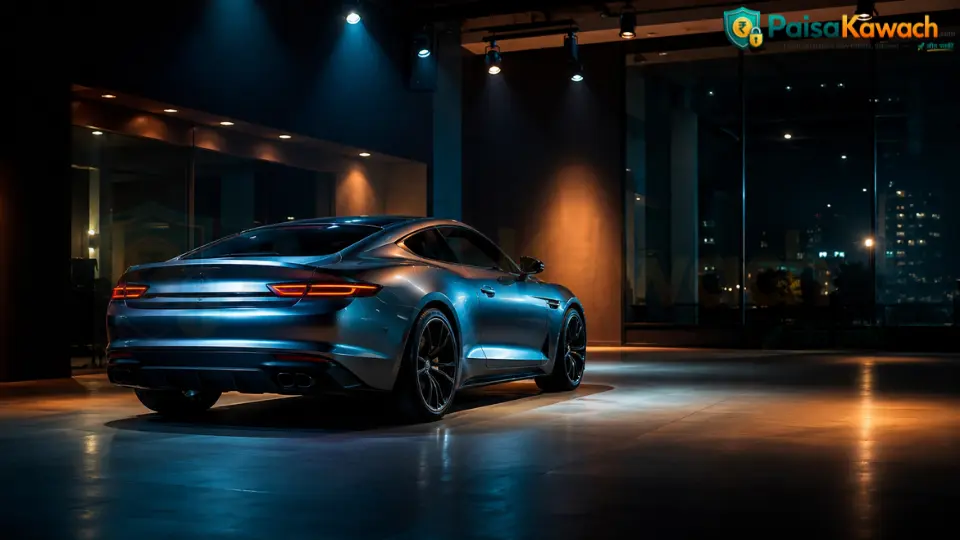
This isn't about guilt-tripping you out of buying a car. It's about making sure the decision you make is based on the real number, not the marketing number. Tap through the full breakdown below.
The Sticker Price Is a Lie (Sort Of)
When you walk into a showroom, the number quoted to you, the on-road price, feels like the finish line. It isn't. It's the entry fee. Everything that happens after you drive that car out of the showroom, fuel, insurance renewals, servicing, repairs, and eventually depreciation eating into resale value, is a second, much larger bill that gets paid slowly, in small enough pieces that it rarely feels like one number.
What you think it costs
₹15,00,000 on-road price, one-time
Most buyers mentally file this ₹15,00,000 as "the cost of the car." In reality, it's closer to the deposit on a much bigger, decade-long financial commitment that keeps quietly drawing money out of your account long after the loan is paid off.
- Purchase price: ₹15,00,000
- Loan interest (5-yr loan @ 9%): ₹3,80,000
- Insurance (10 years): ₹4,50,000
- Fuel (avg use, 10 years): ₹9,00,000
- Maintenance & repairs: ₹3,20,000
- Depreciation loss at resale: ₹9,50,000
The real 10-year number
₹31,50,000 more than double the sticker price
That gap, roughly ₹16,50,000 beyond the original price, is not a worst-case estimate. It's a fairly typical, middle-of-the-road scenario for someone financing a mid-range car with average city driving. For a larger SUV or a more premium segment, the gap often gets wider, not narrower, because fuel consumption, insurance premiums, and parts costs all scale up together.
Where the Money Actually Disappears
The interesting part isn't that owning a car costs more than the sticker price, most people vaguely know that. It's how unevenly that extra cost is distributed, and how easy it is to underestimate each individual piece because none of them show up as one dramatic bill.

Tap each card below to see exactly how each cost category quietly adds up over a decade of ownership.
tap to reveal
A new car loses roughly 15-20% of its value the moment it's driven out of the showroom, and around 50-60% of its value within 5 years. This is money that's simply gone — not spent on anything, just lost, purely because of the accounting reality that "new" instantly becomes "used" the second ownership changes hands.
tap to reveal
Over 10 years of average daily driving, fuel alone often costs more than the car's original price, especially with rising fuel costs and city traffic that tanks mileage. It's the single largest recurring cost of ownership, yet it's the one buyers think about least at purchase time, since it's paid in small amounts, week after week, rather than one visible bill.
tap to reveal
Annual premiums rarely feel large individually, but compounded over a decade, insurance alone can equal nearly a third of the car's original purchase price. Premiums also tend to rise after claims, meaning a single accident can quietly inflate this number well beyond the average.
Why These Costs Feel Smaller Than They Are
None of these costs arrive as one large number. Fuel gets paid in small amounts every week. Insurance is an annual renewal, easy to treat as routine. Maintenance shows up unpredictably, a service here, a tyre replacement there, rarely in a way that invites you to add up the running total. This is exactly why the real 10-year cost catches so many people off guard: it was never designed to be seen as one number. It was always going to be felt in pieces, small enough each time to avoid triggering the kind of hesitation a single ₹31,50,000 bill would.
The Question Nobody Asks: What Else Could That Money Do?
Here's the part almost nobody calculates: the ₹15,00,000 you put toward a car isn't just spent, it's also money that stops being able to do anything else. That's called opportunity cost, and it's usually the single biggest hidden number in any large purchase decision.
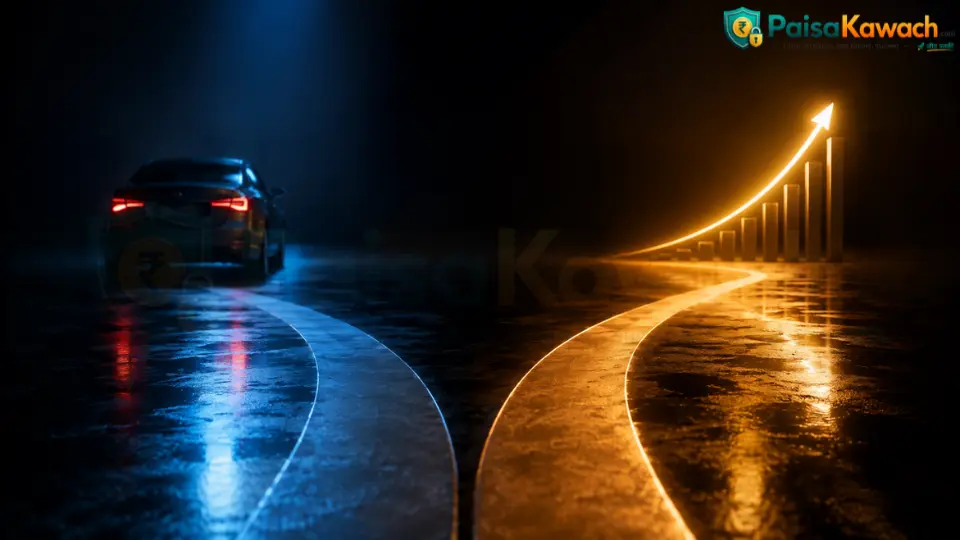
🚗 Buy the car (₹15L)
Worth in 10 years: ~₹3,00,000Resale value after depreciation
📈 Invest ₹15L instead
Worth in 10 years: ~₹38,00,000At a realistic 10% average annual return
That's not a small gap. Choosing the car over the investment doesn't just cost ₹31,50,000 in direct spending, it also means giving up roughly ₹35,00,000 of potential investment growth that ₹15,00,000 could have generated if left untouched. That combined figure, direct cost plus opportunity cost, is the real, complete price of the decision, even though nobody frames it that way at the showroom.
This isn't "never buy the car." It's knowing the real number before you decide — because ₹15L becoming ₹3L is a very different decision than ₹15L becoming ₹38L, and only one of those paths is visible when you're standing in a showroom looking at a shiny new dashboard.
Does This Mean You Should Never Buy a Car You Want?
No. Cars aren't purely financial decisions, and treating every purchase as a spreadsheet exercise misses the point of why people work hard and want nice things in the first place. A car can be genuinely worth it for the freedom, safety, convenience, or simple joy it brings, especially if it replaces a worse daily commute or supports a growing family's needs.
The goal of this breakdown isn't to talk you out of the purchase. It's to remove the surprise. Most people who regret a car purchase don't regret owning a car, they regret being blindsided by how much it kept costing long after the loan was paid off. Knowing the real 10-year number in advance turns that surprise into an informed choice.
The One Question Worth Asking Before You Buy
Would you still want this car if you had to write the full ₹31.5L cost on one check today, instead of spreading it invisibly across 10 years of EMIs, fuel, and insurance? If yes — buy it, enjoy it, no guilt. If it makes you pause, that pause is worth listening to.
Dream cars aren't the enemy. Pretending the sticker price is the real price is. The next time an ad shows you a low starting EMI, remember: that number was never designed to show you the whole picture. Now you know what the whole picture actually looks like.
Keep Reading: More Gen Z Finance Insights
 Why 'Buy Now Pay Later' Feels Like a Hack But Is Just a Rebranded EMI Trap
Next →
Why 'Buy Now Pay Later' Feels Like a Hack But Is Just a Rebranded EMI Trap
Next →
 The Hidden Cost of Constantly 'Upgrading' Your Phone, Makeup, or Wardrobe to Match Trends
Comments
No comments yet. Be the first to comment!