The Hidden Cost of Constantly 'Upgrading' Your Phone, Makeup, or Wardrobe to Match Trends
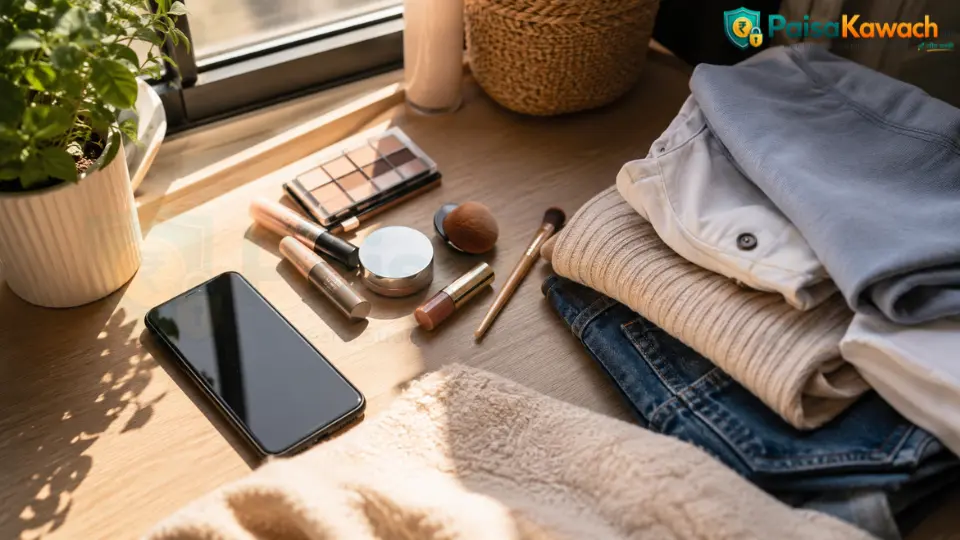
Nobody sits down and decides to spend ₹1,20,000 a year staying current. It never feels like one decision. It feels like a hundred small ones: a new phone because the old one "feels slow," a foundation shade because the formula "got discontinued," a jacket because the old one "isn't really in anymore." Each one, on its own, feels reasonable. Stacked together over a year, they add up to a number most people have never actually calculated.

This isn't about guilt. It's about visibility. Trend-driven spending is specifically designed to feel like maintenance, not indulgence, "keeping up," not "upgrading for fun." That framing is exactly what makes it so easy to underestimate. Tap through the real numbers below.
The Phone: "It's Just Slow Now"
A phone doesn't actually stop working most years. It stops feeling fast enough, or new enough, or the camera stops feeling "good enough" compared to whatever's trending on your feed. That feeling, not an actual functional failure, is what usually drives the upgrade.
What an annual "upgrade cycle" actually costs
₹35,000 average yearly cost of upgrading phones more often than needed
- Phone bought every 2 years: ~₹35,000 phone ÷ 2 years = ₹17,500/year effective cost
- Phone "upgraded" every year for trend reasons: ₹35,000/year, plus resale loss since a 1-year-old phone resells for far less proportionally than a 2-year-old one
- Difference over 5 years: roughly ₹90,000 lost purely to upgrading faster than the phone actually needed replacing
The phone itself isn't the trap. The emotional trigger, "everyone's phone camera looks better than mine now," is what quietly shortens a perfectly functional 3-year phone lifecycle down to 12-14 months.
Makeup: The Routine That Keeps Growing
Skincare and makeup content online rarely shows a static routine. It shows an evolving one, a new serum, a "holy grail" product, a discontinued shade replaced by something trending. The routine itself becomes a subscription of sorts, except nobody labels it that way.

tap to reveal
Cleanser, moisturizer, sunscreen, one lip product, mascara: roughly ₹8,000-10,000 a year, replaced only when actually finished.
tap to reveal
Same basics, plus serums, "glass skin" products, seasonal shade updates, viral TikTok/Instagram product drops: routinely ₹35,000-50,000 a year, with many products discarded half-used once a new one trends.
The Half-Used Product Problem
A specific, rarely discussed cost sits inside this category: products abandoned before they're finished, not because they didn't work, but because something new trended before the old one ran out. Every half-used bottle sitting in a drawer represents money paid in full but only partially used, a cost that never shows up in any single purchase, only in the drawer full of "almost empty" products nobody accounts for.
- Trend-driven routines cost roughly 3-4x more annually than a stable, needs-based routine
- Products replaced before finishing represent paid-for value that's never actually consumed
- Viral "must-try" product cycles are specifically designed to interrupt routines before products run out naturally
Wardrobe: Cheap Per Item, Expensive Per Year
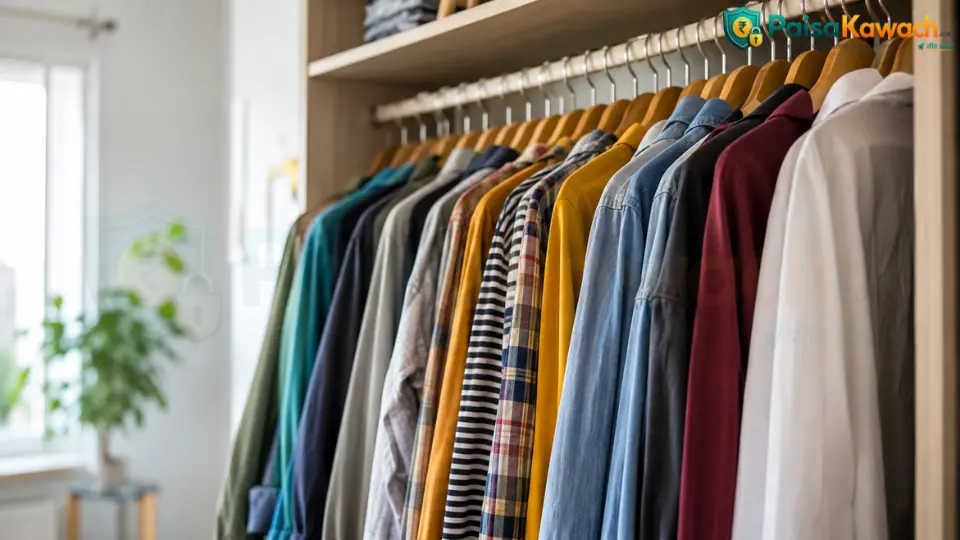
Fast fashion makes each individual purchase feel almost too small to matter, a ₹500 top, a ₹800 dress. That's exactly the design. Low per-item prices remove the natural hesitation a larger purchase would trigger, while trend cycles ensure the closet needs constant refreshing anyway.
The real per-year wardrobe number
₹60,000+ for a wardrobe refreshed every trend cycle, roughly every 6-8 weeks
A ₹500 trend top worn 3 times before it's "out" costs ₹166 per wear. A ₹2,500 well-made basic worn 60 times over 2 years costs ₹42 per wear. The cheaper item is, ironically, the more expensive one, once you measure cost against actual use rather than sticker price.
Why "Cheap" Fashion Isn't Actually Cheap
The trap here is subtle: each fast-fashion item is priced low enough that buying it doesn't feel like a real financial decision. But because trend cycles move fast and quality is often low enough that items don't last past a few washes anyway, the wardrobe requires constant replenishing, turning many small "cheap" purchases into one of the largest recurring expenses in a typical monthly budget, often larger than groceries.
- Low per-item prices remove the hesitation a bigger single purchase would normally trigger
- Fast trend cycles mean even "cheap" wardrobes need constant, expensive refreshing
- Cost-per-wear, not sticker price, is the number that reveals which items are actually expensive
Putting It All Together: The Real Yearly Number
None of these categories feel large individually. That's exactly the mechanism that makes trend-driven spending so easy to underestimate: no single purchase ever crosses the threshold that would make someone stop and calculate the total.
📱💄👗 Trend-chasing across all 3 categories
~₹1,45,000/yearPhone, makeup, and wardrobe upgraded to match trends
🎯 Needs-based spending across all 3
~₹55,000/yearSame categories, replaced only when actually needed
That's a gap of roughly ₹90,000 a year, not spent on anything that lasts, not invested, not saved, just quietly absorbed into staying visually current. Over 5 years, invested instead at a modest return, that gap alone could grow into a genuinely significant sum, often more than a year's full salary for many first jobs.
This isn't about never buying trendy things again. It's about knowing the real number, ₹90,000 a year is a very different decision when you see it as one figure instead of a hundred small ones that never felt connected to each other.
Why Trend Spending Feels Different From "Real" Spending
There's a specific psychological reason this category of spending is harder to notice than, say, a big one-time purchase. Trend items are usually low-cost individually, socially reinforced (everyone around you is doing the same thing), and framed as self-care or self-expression rather than consumption. All three factors combine to make trend spending feel almost invisible, even to the person doing it.
The Social Reinforcement Loop
When a trend is visible across your entire social feed, upgrading doesn't feel like keeping up with marketing, it feels like keeping up with friends, or with a version of normal that everyone else seems to be participating in. This social reinforcement is what separates trend spending from typical impulse spending: it doesn't feel optional in the same way, because the reference point isn't a store, it's your peer group.
- Low individual cost per trend item avoids triggering normal spending hesitation
- Social visibility of trends reframes upgrading as "normal" rather than optional
- Self-care and self-expression framing makes trend spending feel unrelated to typical consumption
A Simple Way to Catch This Before It Adds Up
You don't need to quit trends entirely to fix this. A single habit catches most of the invisible cost: before any phone, makeup, or wardrobe purchase, ask whether the old item has actually stopped working, or whether it's just stopped feeling current. That one distinction, functional failure versus trend fatigue, is usually enough to cut this category's spending by more than half without feeling like deprivation.
Ask: "Am I replacing this because it broke, ran out, or genuinely wore out, or because something newer just showed up on my feed?" If it's the second one, wait one week. Most trend urgency fades within days, once the specific post or influencer moment that triggered it scrolls out of memory.
The Bigger Picture
Trend-driven spending across phones, makeup, and wardrobe isn't a character flaw or a discipline problem. It's a predictable response to content specifically designed to make "current" and "outdated" feel like meaningful categories, refreshed every few weeks, forever. Recognizing that the upgrade urge is coming from a feed, not from an actual need, is usually enough to turn ₹1,45,000 a year of invisible spending into a much smaller, much more intentional number.
Keep Reading: More Gen Z Finance Insights
 The Real 10-Year Cost of That Dream Car You're Saving For
Next →
The Real 10-Year Cost of That Dream Car You're Saving For
Next →
 The 'Save the Difference' Method: How Daily Small Gaps Turn Into Real Wealth Over Years
Comments
No comments yet. Be the first to comment!