Top 3 International News Impacting the World Today: Oil Shock, Ukraine War and China’s Export Surge
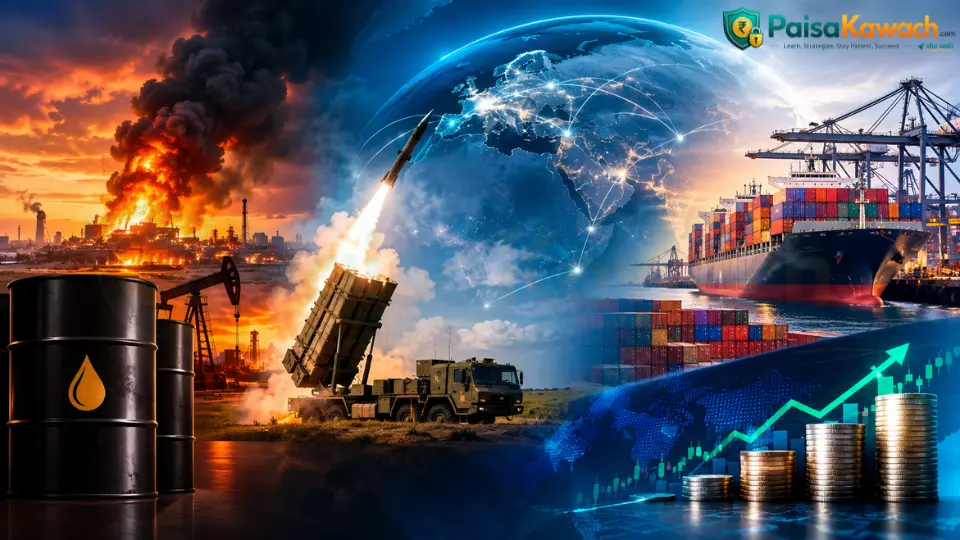
9 September 2026: Global markets and governments are facing another day of heightened uncertainty as three major developments dominate the international agenda: an escalating Middle East conflict pushing crude oil toward $100 a barrel, increased Western efforts to strengthen Ukraine's air defences ahead of another difficult winter, and a powerful surge in China's exports that is reshaping global trade.
These stories are connected by a common theme: geopolitical tensions are increasingly influencing energy prices, inflation, interest rates, trade and investment decisions around the world.
1. Middle East Conflict Pushes Oil Toward $100 and Raises Global Inflation Fears
The most immediate global market concern today is the sharp escalation of fighting in the Middle East. Iranian-backed Houthi forces launched attacks on several Saudi Arabian cities, while U.S. forces struck Iranian oil tankers and Iran attacked a U.S. military base in Jordan. The developments have increased fears that the conflict could further disrupt one of the world's most important energy-producing regions.
Brent crude rose toward the psychologically important $100-per-barrel level, reaching about $99.50 in early trading. U.S. West Texas Intermediate crude was also above $94 a barrel. Brent has risen by roughly a quarter since early August as hopes for a lasting resolution to the conflict have weakened.
The concern extends beyond the price of fuel. The Middle East contains critical oil infrastructure and some of the world's most important shipping routes. Traffic through the Strait of Hormuz has already fallen below its recent average, increasing concerns about the reliability of global energy flows.
Why this matters to the whole world
- Higher fuel prices: More expensive crude can raise petrol, diesel, aviation fuel and transportation costs.
- Higher inflation: Energy costs can feed into manufacturing, logistics, food prices and household expenses.
- Interest-rate risk: Central banks may find it harder to cut rates if energy-driven inflation remains elevated.
- Market volatility: Higher oil prices can pressure stocks while increasing demand for traditional safe-haven assets.
Interactive question: What happens if Brent stays above $100 for several weeks rather than just briefly touching the level? The answer could determine whether today's oil shock becomes a temporary market scare or a much broader global inflation problem.
Market indicator to watch: Brent crude → $100 level → Strait of Hormuz shipping → global inflation expectations.
2. Ukraine War: Western Allies Strengthen Air Defence Ahead of Winter
The Russia-Ukraine war remains another major international security issue, with European countries preparing for another potentially intense winter of Russian attacks against Ukrainian infrastructure.
Germany has announced that it will urgently provide additional Patriot PAC-2 interceptor missiles from its national stocks to Ukraine. Berlin is also planning to expand deliveries of air-to-air missiles, drones and long-range ammunition.
Ukraine says it is contracting for around 1,000 Patriot missiles, but many of those systems and interceptors will not arrive quickly enough to meet immediate battlefield requirements. Kyiv has therefore continued asking European and NATO allies to release missiles from their existing stockpiles.
The urgency comes from expectations that Russia could increase attacks against Ukraine's electricity, energy and economic infrastructure during the coming winter. NATO Secretary General Mark Rutte has also urged allied countries to provide additional resources.
Why the Ukraine story matters beyond Europe
- European security: The conflict continues to influence NATO defence planning and military spending.
- Defence industry: European governments are increasing demand for missiles, drones, ammunition and air-defence systems.
- Energy security: Attacks on infrastructure can affect European energy markets and supply expectations.
- Geopolitical risk: Continued escalation keeps relations between Russia, Ukraine, NATO and the wider West under pressure.
Interactive question: Can Ukraine secure enough air-defence ammunition before winter? The answer could significantly influence the scale of damage to Ukrainian infrastructure and the broader geopolitical balance entering the next phase of the war.
What to watch: Patriot deliveries → Russian winter campaign → Ukrainian energy infrastructure → NATO military commitments.
3. China’s Exports Surge 25%, Reshaping Global Trade and Manufacturing
China is providing a very different kind of shock to the global economy. Chinese exports increased 25% year-on-year in August, supported particularly by strong overseas demand for high-tech and artificial-intelligence-related products.
China's imports also increased by 28.2%, while the country's August trade surplus reached approximately $119 billion. High-tech exports were particularly strong, with semiconductor and automobile shipments contributing to the increase.
The figures demonstrate the continuing strength of China's manufacturing and export machine even while domestic consumption and investment remain relatively weak. China's economy is therefore receiving significant support from external demand.
Why China's export surge matters globally
- Global manufacturing: Strong Chinese exports increase competitive pressure on manufacturers in Europe, North America and Asia.
- Technology: Rapid growth in semiconductor, AI-related and other high-tech exports strengthens China's position in global supply chains.
- Trade tensions: A larger Chinese trade surplus could increase pressure for tariffs and other trade restrictions.
- Commodity demand: Strong industrial activity influences global demand for energy, metals, shipping and raw materials.
However, the numbers also reveal a potential weakness. Strong exports are helping compensate for sluggish Chinese domestic demand, a struggling property sector and uneven consumer spending. That means the durability of China's growth remains an important question for the global economy.
Interactive question: Can China's export boom continue if trade tensions increase and major economies impose additional restrictions on Chinese products? The answer could determine whether today's export strength becomes a sustained growth engine or creates another wave of global trade disputes.
What to watch: Chinese technology exports → U.S.-China trade policy → European trade measures → Chinese domestic consumption.
How These Three Stories Are Connected
At first glance, the Middle East conflict, the Ukraine war and China's export surge appear unrelated. In reality, they are increasingly interconnected through the global economy.
The Middle East conflict is pushing energy prices higher, which can increase inflation and force central banks to reconsider interest-rate policy. The Ukraine war is increasing European defence spending and maintaining pressure on energy and security policy. Meanwhile, China's export strength is changing competitive conditions for manufacturers worldwide.
Investors therefore face a complicated environment in which geopolitical risk, energy prices, inflation, interest rates and trade policy are moving together.
Global impact dashboard — 9 September 2026
- Oil: Brent approaching $100 — major inflation risk.
- Middle East: Conflict escalation — higher energy and shipping risk.
- Ukraine: More Patriot support — continued European defence mobilisation.
- China: Exports +25% — strong external demand and trade implications.
- Interest rates: Higher energy prices could complicate future rate cuts.
- Markets: Investors remain sensitive to geopolitical developments and inflation data.
What Could Move Global Markets Next?
The next major market signals will come from developments in the Middle East, movements in crude oil, shipping activity through key maritime chokepoints, and upcoming inflation data from major economies.
For investors, the key question is whether the current geopolitical shocks remain contained or begin feeding into the real economy through higher energy costs, disrupted supply chains and tighter financial conditions.
For now, oil is the clearest global pressure point. If Brent decisively breaks above $100 and remains there, the consequences could extend well beyond energy markets, affecting inflation, central-bank policy, currencies, equities and household purchasing power.
Bottom line
September 9, 2026 is shaping up as a major geopolitical and economic risk day. The Middle East conflict is threatening to create another global energy shock, the Ukraine war continues to drive Europe's security agenda, and China's export boom is reinforcing its influence over global manufacturing and trade.
For the world economy, the critical question is no longer whether geopolitics affects markets — it is how deeply geopolitical events will shape prices, trade and economic policy in the months ahead.
Keep Reading: More Insights You Might Like

Comments
No comments yet. Be the first to comment!