India liquidity crunch and rising oil prices spark inflation concerns ahead of April 2026 policy outlook

Market Context: Liquidity Tightness Meets Rising Oil Prices
India’s financial system is currently navigating a phase of tightening liquidity, while global crude oil prices are trending higher. This dual pressure is raising fresh concerns about inflation just weeks ahead of the next policy cycle.
Short-term money market rates have remained elevated, signaling constrained liquidity conditions. At the same time, crude oil prices have firmed up due to global supply uncertainties and geopolitical factors, increasing input cost pressures for the Indian economy.
According to BBC, rising energy prices globally continue to pose inflation risks for emerging economies, including India.
- Liquidity in banking system remains tight with elevated overnight rates
- Crude oil prices trending upward, increasing import costs
- Inflation risks building ahead of April policy outlook
- Bond yields showing mild upward bias
- Market participants cautious on rate trajectory
What’s Driving the Liquidity Crunch?
The liquidity tightening is largely attributed to tax outflows, reduced government spending in the near term, and central bank liquidity absorption measures. The :contentReference[oaicite:0]{index=0} has maintained a calibrated stance, balancing inflation control with growth stability.
Key Liquidity Indicators
- Higher call money rates
- Reduced surplus liquidity in the banking system
- Increased dependence on short-term funding windows
This tightening environment typically leads to higher borrowing costs for businesses and can slow down credit growth if sustained.
Oil Prices Add to Inflation Pressure
India, being a major importer of crude oil, remains highly sensitive to global price movements. The recent uptick in oil prices is expected to increase transportation and manufacturing costs, eventually feeding into retail inflation.
Sectors such as aviation, logistics, and FMCG are particularly vulnerable to rising fuel costs, which could lead to margin compression or price hikes.
Insight: Even a moderate rise in crude oil prices can significantly impact India’s current account and inflation trajectory, making it a key macro variable to watch.
What This Means for Markets and Investors
The combined effect of tight liquidity and rising oil prices creates a cautious environment for financial markets.
Equity Markets
- Rate-sensitive sectors like banking and real estate may face pressure
- Oil-sensitive sectors could see margin concerns
Bond Markets
- Yields may remain elevated due to inflation expectations
- Demand for government securities could fluctuate
The :contentReference[oaicite:1]{index=1} continues to monitor market stability amid evolving macro conditions.
Sector Comparison: Who Gains, Who Loses?
- Winners: Energy producers, upstream oil companies
- Neutral: IT sector (less domestic inflation sensitivity)
- Losers: Aviation, FMCG, logistics, paint companies
Compared to previous cycles, the current scenario reflects a more balanced risk environment, but with clear pressure points emerging in consumption-driven sectors.
Outlook: What to Watch Next
Keep Reading: More Insights You Might Like
 Stock Market Closed Today for Ram Navami: What It Means for Investors and What to Expect Next
Next →
Stock Market Closed Today for Ram Navami: What It Means for Investors and What to Expect Next
Next →
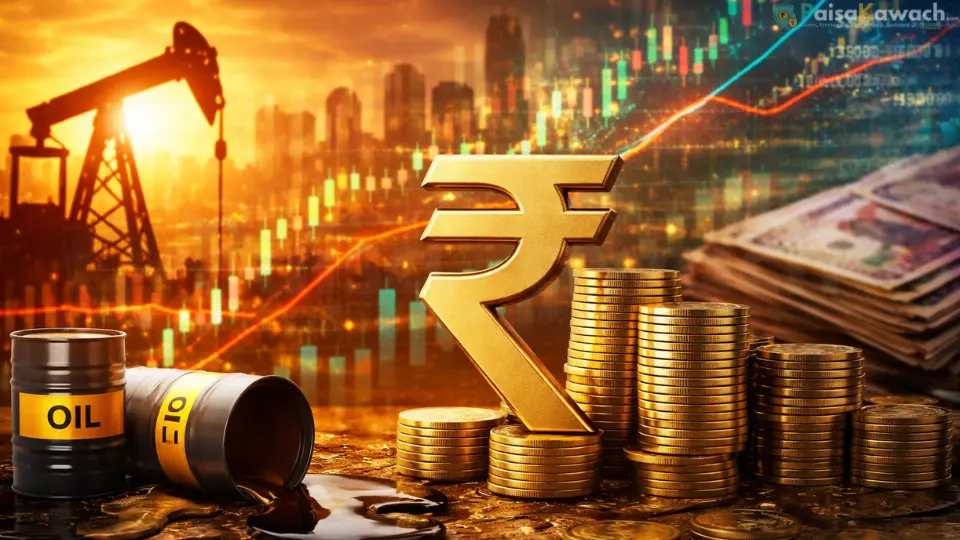 India Market Impact: Oil Price Surge, Rupee Weakness, and NSE Brent Futures Signal Volatility Ahead
Comments
No comments yet. Be the first to comment!