Stock Market Closed Today for Ram Navami: What It Means for Investors and What to Expect Next
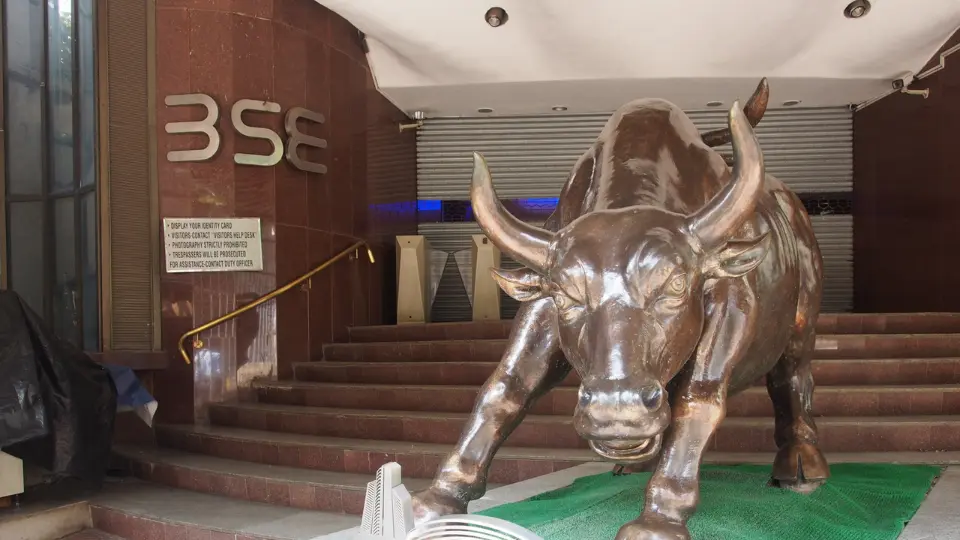
Stock Market Holiday on Ram Navami: What’s Closed and What’s Not
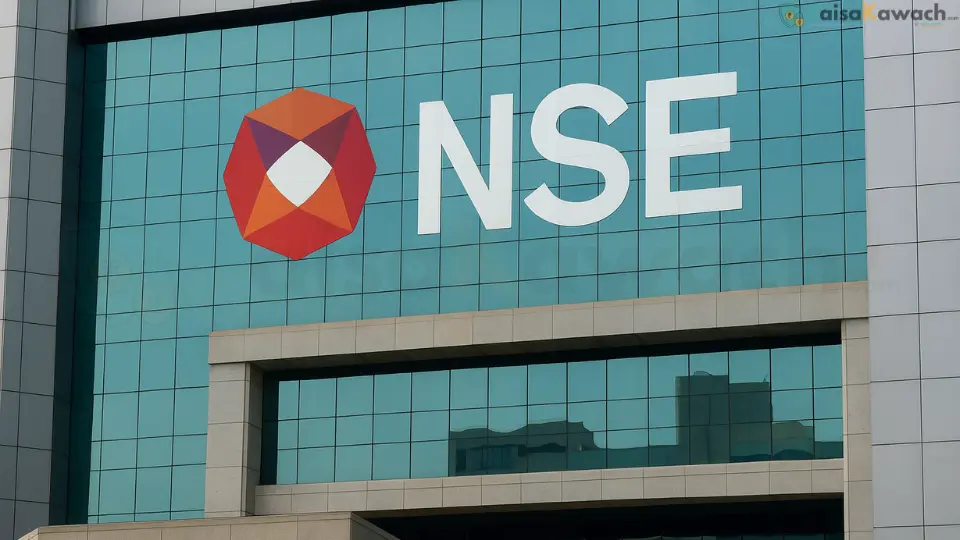
Indian stock markets, including the National Stock Exchange (NSE) and Bombay Stock Exchange (BSE), remain closed on March 26, 2026, on account of the Ram Navami holiday. This means there is no trading activity in equities, derivatives, or currency segments for the day.
While equity markets are completely shut, commodity markets such as MCX operate partially, with trading resuming in the evening session. For traders and investors, this creates a temporary pause in market activity—but not in underlying economic developments.
Why Market Holidays Still Matter for Investors
At first glance, a market holiday may seem like a break from volatility. However, in reality, global markets continue to move, and macroeconomic developments keep unfolding. This means that when Indian markets reopen, they often react sharply to events that occurred during the holiday.
In the current environment, this becomes even more important, as global uncertainties and domestic economic pressures are already influencing market sentiment.
Snapshot: Market Status on March 26, 2026
- NSE & BSE closed for Ram Navami
- No trading in equities, F&O, or currency
- MCX open only in evening session
- Next trading day: March 27, 2026
- Global markets remain active
Recent Market Movement Before the Holiday
Before the holiday, Indian markets had shown signs of recovery after a period of sharp volatility. Benchmark indices such as the Sensex and Nifty posted strong gains in the previous session, supported by easing fears of immediate geopolitical escalation.
However, this rebound comes after a challenging month where markets declined significantly due to rising crude oil prices, foreign institutional investor (FII) outflows, and global uncertainty. As a result, the recent gains are being viewed cautiously by market participants.
Key Risks Still Active in the Background
Even though markets are closed, several key risks continue to influence the overall economic and financial landscape:
- Rising Oil Prices: Ongoing tensions in the Middle East are keeping crude prices elevated, which could impact inflation.
- Liquidity Tightening: The Indian banking system is facing a liquidity deficit, affecting borrowing costs.
- Global Uncertainty: Developments in global markets, especially in the US and Europe, continue to impact investor sentiment.
- FII Activity: Foreign investors remain cautious, leading to intermittent outflows.
These factors mean that while markets are paused, the underlying pressures are very much active.
According to Reuters, global market developments and oil price movements remain key drivers for Indian equities, even during domestic market holidays.
What Investors Should Watch Before Markets Reopen
With markets set to reopen on March 27, investors should closely monitor global cues and domestic developments that may influence opening trends.
Key Triggers to Watch
- Movement in global stock markets
- Changes in crude oil prices
- Currency (rupee vs dollar) trends
- Any RBI-related announcements or liquidity actions
- Geopolitical developments
A strong or weak global trend during the holiday could lead to a gap-up or gap-down opening in Indian markets.
Impact on Traders and Short-Term Strategies
For short-term traders, market holidays can disrupt trading strategies, especially in volatile conditions. With no domestic trading, positions remain exposed to global developments.
Keep Reading: More Insights You Might Like
 India Faces Double Pressure: Banking Liquidity Crunch and Rising Oil Prices Fuel Inflation Concerns
Next →
India Faces Double Pressure: Banking Liquidity Crunch and Rising Oil Prices Fuel Inflation Concerns
Next →
 India liquidity crunch and rising oil prices spark inflation concerns ahead of April 2026 policy outlook
Comments
No comments yet. Be the first to comment!