Morgan Stanley Predicts AI Could Add $16 Trillion to U.S. Markets by 2030

Morgan Stanley Forecasts a Historic AI-Driven Market Surge
Artificial intelligence (AI) is no longer just a buzzword—it is rapidly becoming the backbone of future economic growth. In its latest report, Morgan Stanley revealed that widespread adoption of AI could add as much as $16 trillion to U.S. markets over the next decade. The forecast suggests that the S&P 500 could see a remarkable 30% valuation boost, driven by efficiency, productivity, and innovation across industries.
How AI Is Driving Market Value
According to the report, AI is poised to become a transformative force for businesses across sectors—from finance and healthcare to manufacturing and retail. The analysis highlights two major categories:
- Agentic AI → Tools and software that enhance human productivity by automating repetitive tasks and assisting decision-making.
- Embodied AI → Robotics and autonomous systems that physically perform tasks, potentially reshaping labor markets.
While concerns remain about job displacement, Morgan Stanley emphasized that AI’s net impact on employment could be positive, as technology enhances human roles rather than replacing them outright. The firm also projects an estimated $920 billion in annual net benefits for S&P 500 companies once AI technologies are fully integrated.
Why Investors Are Paying Attention
The scale of this projection has caught the attention of both institutional and retail investors. A potential $16 trillion infusion into market value is not only historic but could also accelerate global competition for AI leadership.
This bullish outlook is already visible in the surge of AI-related stocks. Tech giants such as Nvidia, Microsoft, and AMD have seen significant growth due to their investments in AI infrastructure. Meanwhile, traditional industries are exploring how AI can reduce costs, improve efficiency, and unlock new revenue streams.
The Bigger Picture: AI and the U.S. Economy
If these projections materialize, the U.S. economy could enter a new era of technology-driven growth. Beyond corporate profits, AI adoption could reshape consumer experiences, supply chains, and even government services. Policymakers are now focusing on how to balance innovation with regulations that ensure transparency, privacy, and fair competition.
Conclusion: A Market Revolution in the Making
Morgan Stanley’s $16 trillion estimate is not just a headline—it is a wake-up call for investors, businesses, and governments. As AI continues to evolve from experimental to essential, the next decade could witness one of the most significant shifts in market history. For the S&P 500, this means a powerful new growth driver, and for investors, it underscores the urgency of staying ahead in the AI race.
Keep Reading: More Insights You Might Like
 SoftBank Commits $2 Billion to Intel in Strategic Semiconductor Push
Next →
SoftBank Commits $2 Billion to Intel in Strategic Semiconductor Push
Next →
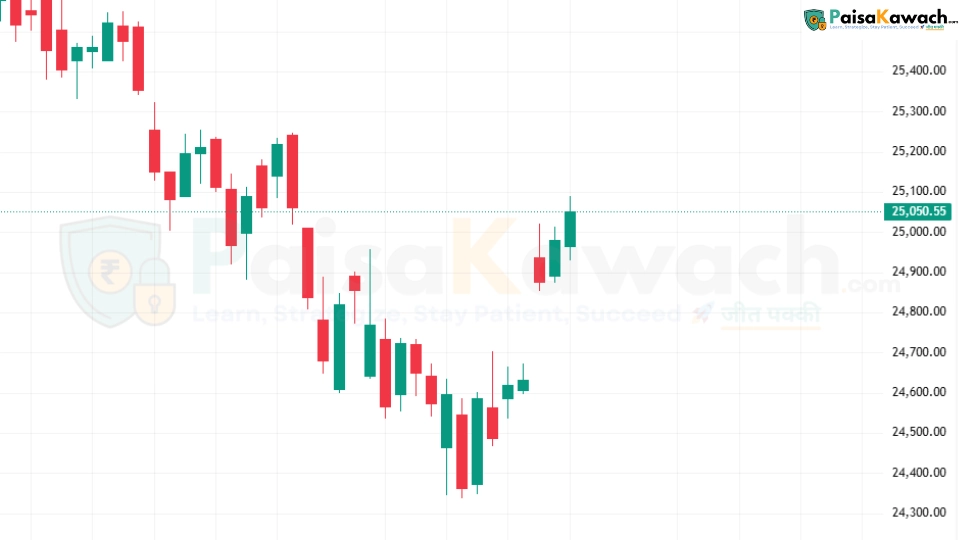 Nifty 50 Market Outlook for 21 August 2025: Key Levels, Technical Insights, and Trading Opportunities