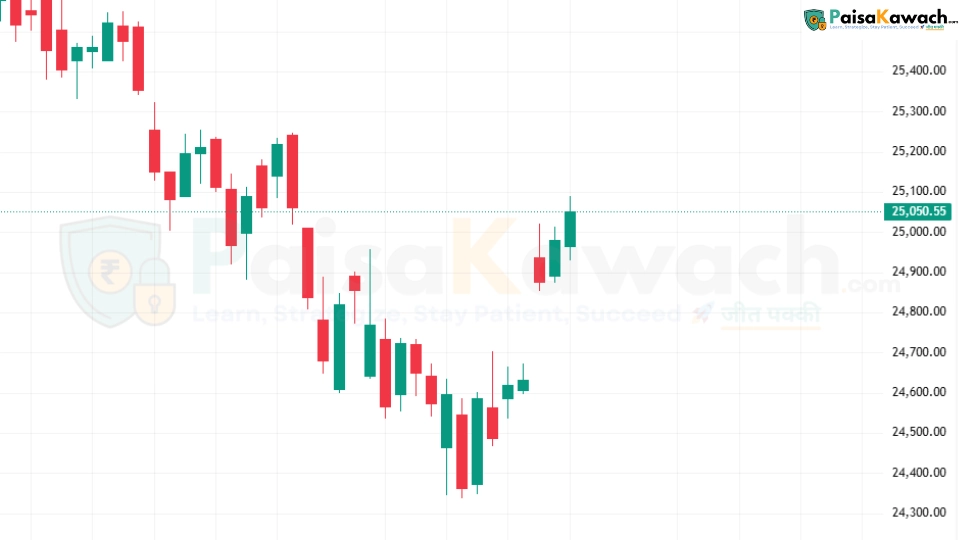
Stock Market Surge Today: Why Markets Jump After Hormuz Reopens — And The Hidden Risks Ahead (April 18, 2026)
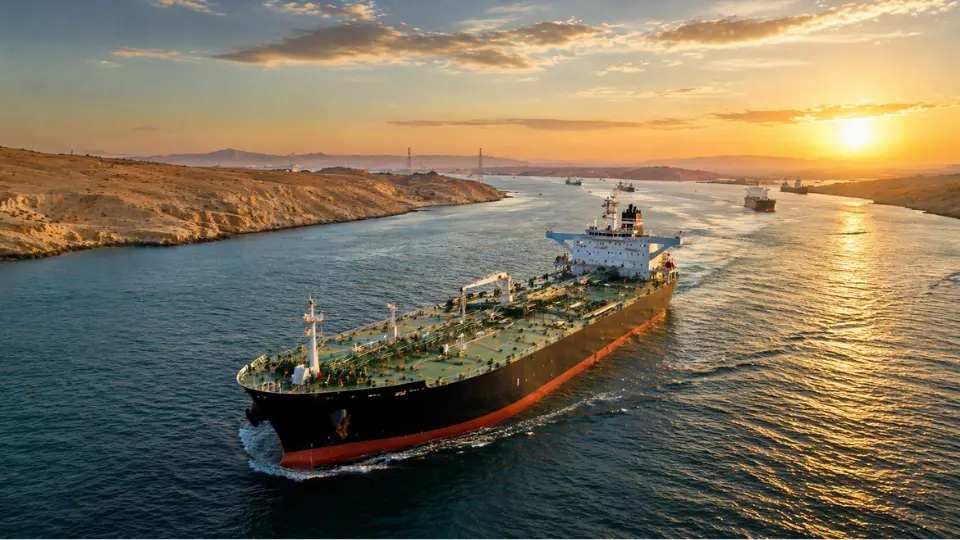
Global stock markets surged sharply on April 18, 2026, after the Strait of Hormuz reopened, easing fears of a major oil supply disruption. Oil prices dropped, investor confidence returned, and markets rallied worldwide — but experts warn this could be a temporary relief, not a long-term solution.
The most important takeaway: Markets are rising because the worst-case scenario was avoided — not because global risks have disappeared.
Global financial markets are witnessing a powerful rally today, driven by one key development: the reopening of the Strait of Hormuz. This narrow waterway is one of the most critical oil transit routes in the world, responsible for transporting nearly a fifth of global oil supply. When tensions in the Middle East escalated recently, fears of disruption in this route caused oil prices to spike and markets to become highly volatile.
Now, with confirmation that the strait is operational again, the immediate fear of a supply shock has eased. This has triggered a wave of optimism across global markets, leading to sharp gains in major indices, including those in the United States, Europe, and Asia.
However, this rally needs to be understood carefully. It is not driven by strong structural improvements in the global economy, but rather by relief that a major crisis has been temporarily avoided.
This type of market behavior is known as a “relief rally,” where prices rise quickly after negative risks are reduced, even if the underlying problems are not fully solved.
One of the biggest impacts of the reopening has been on oil prices. During the peak of geopolitical tensions, oil prices surged due to fears that supply from the Middle East could be disrupted. Higher oil prices typically lead to increased inflation, higher transportation costs, and pressure on businesses and consumers.
With the reopening of shipping routes, oil prices have started to decline, providing much-needed relief to global economies. Lower energy costs help reduce inflationary pressure, allowing central banks to avoid aggressive interest rate hikes.
Oil prices remain the single most important factor influencing global markets right now. Stability in energy markets directly supports economic growth, while instability can quickly trigger global financial stress.
For everyday consumers, this could translate into slightly lower fuel prices and reduced pressure on household budgets. For businesses, it means lower operating costs, especially in sectors like transportation, manufacturing, and logistics.
At the same time, corporate earnings continue to support the positive market sentiment. Many companies, particularly in the technology and financial sectors, have reported strong results. The rapid growth of artificial intelligence and digital infrastructure is driving demand in the tech sector, making it one of the strongest performers in 2026.
Financial institutions are also benefiting from stable economic conditions and increased market activity. Higher trading volumes, investment flows, and lending activity are contributing to strong performance in the banking sector.
Technology companies are increasingly becoming less dependent on traditional economic cycles, which is why they continue to perform well even during uncertain times.
Despite these positive factors, several risks remain. One of the biggest concerns is that geopolitical tensions have not been fully resolved. While the reopening of the Strait of Hormuz is a positive development, it does not guarantee long-term stability. In fact, warnings from regional authorities suggest that the situation could change quickly if tensions escalate again.
This means that oil prices could rise again just as quickly as they fell, potentially reversing the current market gains.
The current rally is built on fragile confidence. Any negative development — even a small one — could trigger sharp market corrections.
Adding to the uncertainty are warnings from global financial leaders and institutions. Economists and policymakers are increasingly concerned about the long-term impact of recent energy shocks. Even if short-term conditions improve, the effects of supply chain disruptions and high energy costs may continue to affect global growth.
In Europe, central bank officials have warned that inflation could rise above expectations, while economic growth may slow down. These concerns highlight the complex challenges facing the global economy, where short-term optimism coexists with long-term risks.
Another important trend shaping the global economic landscape is the restructuring of supply chains. In recent years, countries and companies have begun to reduce their dependence on specific regions, especially those prone to geopolitical instability. This has led to a shift toward regionalization and diversification.
While this improves resilience, it also increases costs. Companies must invest in new infrastructure, relocate production facilities, and establish new partnerships. These changes can lead to higher prices for consumers and lower efficiency in the short term.
This shift represents a move away from globalization toward more secure and localized economic systems — a trend that is likely to continue for years.
Investor psychology is another key factor driving today’s market behavior. After a period of uncertainty and fear, the easing of tensions has created a sense of relief. This emotional shift often leads to increased buying activity, pushing markets higher.
However, such sentiment-driven rallies can be volatile. If new risks emerge, the same investors who are buying today may quickly start selling, leading to sharp declines.
Markets are currently being driven as much by emotion as by fundamentals. This makes the current environment highly unpredictable.
Another aspect to consider is the uneven impact across different sectors. While technology and finance are performing strongly, other sectors such as travel, tourism, and luxury goods are still facing challenges. Reduced demand and uncertainty are affecting their recovery.
This uneven performance indicates that the global economy is not experiencing a uniform recovery. Instead, growth is concentrated in specific areas, while others continue to struggle.
Looking ahead, the direction of global markets will depend on several key factors. The progress of geopolitical negotiations, the stability of oil prices, and the strength of corporate earnings will all play a crucial role in shaping market trends.
Investors should also pay close attention to policy decisions by central banks, as interest rate changes can significantly impact market dynamics.
- Global markets surged after the Strait of Hormuz reopened
- Oil prices fell, reducing inflation pressure
- Investor confidence returned, driving stock market gains
- Technology and finance sectors are leading the rally
- Geopolitical risks remain unresolved
- IMF and central banks warn of long-term economic challenges
- Supply chain restructuring is increasing costs
- Market sentiment remains optimistic but fragile
In conclusion, April 18, 2026, marks a significant moment for global markets as a major geopolitical risk temporarily subsides. However, this relief should not be mistaken for stability. The global economy remains in a state of transition, with multiple risks still present beneath the surface.
For investors and observers alike, the key is to stay informed, remain cautious, and understand that today’s gains are built on expectations — not certainty.
stock market surge today 2026, hormuz reopening impact, oil prices falling news, global market rally analysis, geopolitical impact economy 2026, inflation oil prices relationship, IMF warning global economy, stock market risk analysis, financial news April 18 2026, global economy trends
Keep Reading: More Insights You Might Like
 Stock Market Rally Today: Why Markets Are Rising Despite Global Tensions (April 17, 2026)
Next →
Stock Market Rally Today: Why Markets Are Rising Despite Global Tensions (April 17, 2026)
Next →
 Global Markets Brace for Nvidia Earnings as Bond Yields Hit Multi-Decade Highs — May 20, 2026
Comments
No comments yet. Be the first to comment!