Global Markets Wobble as Nvidia’s Outlook Disappoints; Trump Tariffs Reshape Trade Alliances
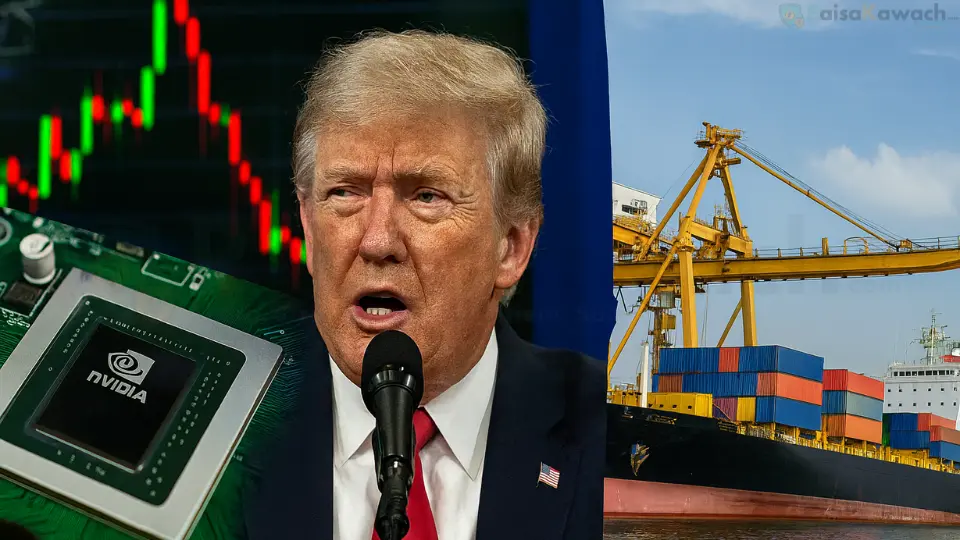
Global investors digested a mixed bag of signals on Thursday as Asian equity markets wavered following Nvidia’s earnings report. Although the U.S. chipmaker delivered another quarterly beat, its weaker forward guidance and operational challenges in China dampened enthusiasm.
The MSCI Asia-Pacific index slipped 0.2%, with Hong Kong’s Hang Seng falling nearly 1% after Chinese tech shares sold off sharply. Shares of food delivery giant Meituan tumbled almost 10%, dragging the broader index lower. Meanwhile, Japan’s Nikkei gained 0.4%, supported by auto and electronics exporters benefiting from a softer yen.
In commodities, Brent crude declined to $67.74 per barrel, while the U.S. dollar weakened on renewed speculation that the Federal Reserve may announce a rate cut sooner than expected. This raised hopes of cheaper liquidity, but market sentiment remained fragile.
Trump Tariffs Spark Global Trade Realignment
The second major global business headline comes from Washington. The Trump administration’s move to impose punitive 50% tariffs on Indian imports is sending shockwaves through world trade. The decision follows India’s continued reliance on discounted Russian oil, despite U.S. pressure to diversify energy sourcing.
The impact is being felt across sectors including textiles, auto components, gems & jewelry, and chemicals. Foreign investors have already withdrawn $2.6 billion from Indian markets in August, the sharpest monthly outflow since February. Analysts warn that sustained tariff escalation could disrupt global supply chains and trigger retaliatory measures from emerging economies.
More importantly, the tariffs appear to be reshaping global alliances. Countries in the Global South—including Brazil, India, and parts of Africa—are exploring joint platforms to reduce dependence on U.S.-dominated trade systems, potentially accelerating a trend of multipolar economic blocs.
Investor Outlook
For global investors, the near-term picture remains uncertain. On one hand, a potential U.S. rate cut could support equities. On the other, escalating trade disputes and fragile corporate guidance are weighing heavily on sentiment. Market strategists advise a cautious approach, with a focus on defensive allocations until clearer signals emerge.
- Asian markets remain sensitive to U.S.–China tech tensions
- Global trade realignments could accelerate decoupling trends
- Rate cut speculation may provide short-term relief but not solve underlying risks
Keep Reading: More Insights You Might Like
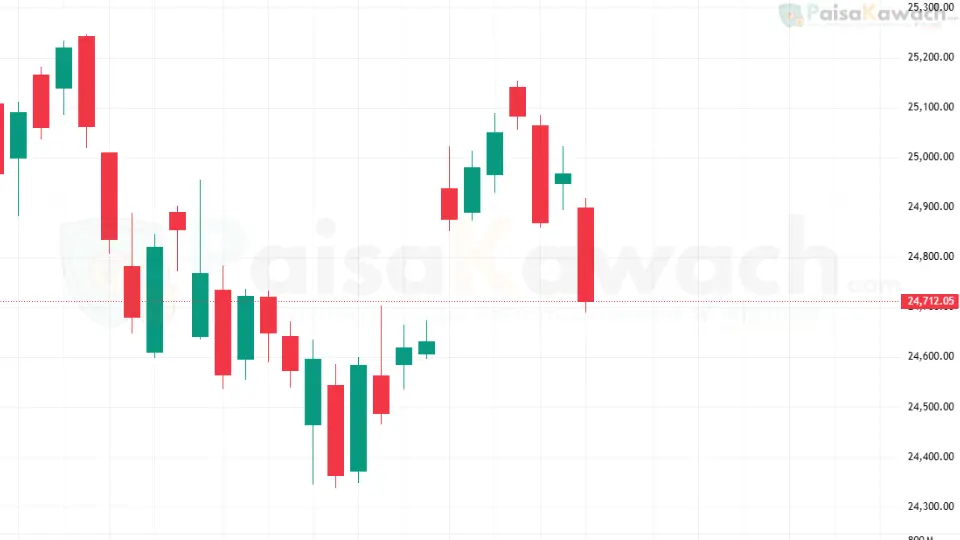 Nifty 50 Opening Forecast for August 28, 2025: Weak Sentiment May Drive Flat-to-Lower Start
Next →
Nifty 50 Opening Forecast for August 28, 2025: Weak Sentiment May Drive Flat-to-Lower Start
Next →
 Nifty 50 Likely Eyes Moderate Recovery on August 29 After Sharp Drop — What Investors Should Watch
Comments
No comments yet. Be the first to comment!