Indian Stock Markets Trade Cautiously Ahead of Union Budget 2026 Amid Mixed Global Cues

Indian Markets Enter a Pause Mode Before a Crucial Policy Week
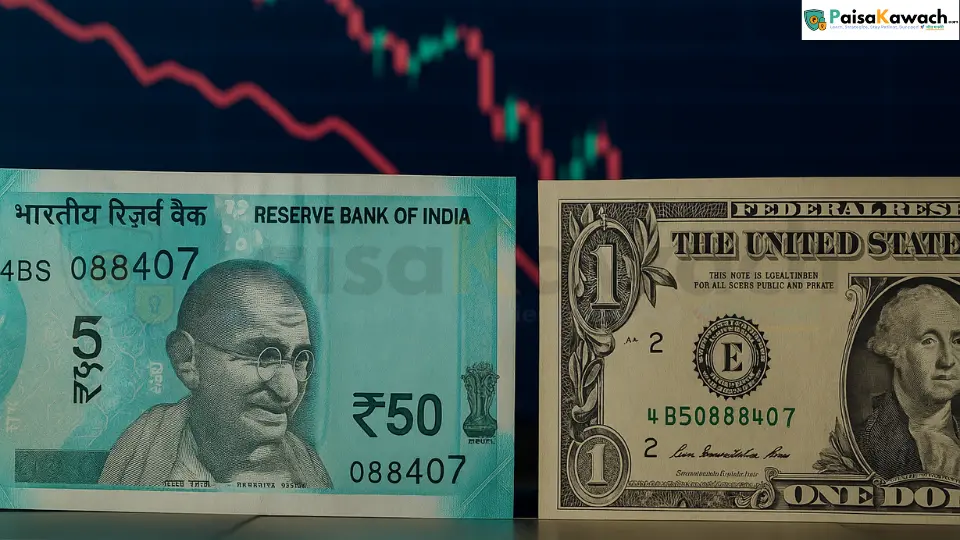
Indian equity benchmarks are showing signs of caution on Friday, January 30, 2026, as investors adopt a wait-and-watch approach ahead of the highly anticipated Union Budget 2026. Both the Sensex and the Nifty 50 are expected to open modestly lower or move within a narrow range, reflecting a balance between global uncertainty and domestic economic confidence.
The subdued mood comes amid ongoing volatility in global equity markets, particularly in technology stocks, which have seen renewed selling pressure overseas. Despite these headwinds, India’s broader macroeconomic outlook continues to offer a degree of support to local sentiment.
- Market Tone: Cautious, range-bound trade expected
- Key Trigger: Union Budget 2026 scheduled for February 1
- Global Influence: Weak cues from overseas tech stocks
- Domestic Support: Stable growth outlook and policy continuity expectations
Why Global Cues Are Keeping Dalal Street in Check
Over the past few sessions, global markets have struggled to find direction as investors reassess growth expectations and valuations, especially in the technology sector. Weak overnight cues from the U.S. and parts of Asia are spilling over into Indian markets, limiting aggressive buying at higher levels.
Market participants are also factoring in global interest rate dynamics and currency movements, which continue to influence foreign portfolio flows into emerging markets like India.
Budget Expectations Provide a Domestic Anchor
While global factors are acting as a near-term drag, domestic investors are drawing comfort from expectations surrounding the upcoming Union Budget. The government is widely expected to maintain its focus on capital expenditure, infrastructure development, and fiscal discipline, themes that have supported market confidence over the past year.
“Markets are consolidating ahead of the Budget, as investors prefer clarity on policy direction before taking fresh positions,” said a senior market strategist at a domestic brokerage.
What This Means for Investors
For investors, the current environment suggests a phase of consolidation rather than a sharp directional move. Short-term traders may see limited opportunities as indices hover within defined ranges, while long-term investors are likely to stay focused on fundamentally strong sectors aligned with the government’s growth agenda.
Historically, Indian markets tend to remain volatile but directionless in the days leading up to the Budget, with clearer trends emerging once policy details are announced.
Sectoral View: How India Compares Globally
Compared to global peers, Indian markets continue to display relative resilience. While technology-heavy indices abroad are facing sharper corrections, India’s diversified sectoral composition—spanning financials, industrials, and consumption-driven businesses—has helped cushion downside risks.
This divergence reinforces India’s positioning as a relatively stable emerging market destination, even during periods of global risk aversion.
What to Watch Next
All eyes will now be on the Union Budget 2026 presentation on February 1, which is expected to set the tone for markets in the coming months. Investors will closely track announcements related to taxation, government spending, and fiscal targets.
According to BBC, global investors are increasingly selective, favoring economies with clear policy direction and sustainable growth paths—an area where India is seen as relatively well-positioned.
Keep Reading: More Insights You Might Like
 Nvidia, Microsoft and Amazon in Talks to Invest Up to $60 Billion in OpenAI, Fueling Next Phase of AI Expansion
Next →
Nvidia, Microsoft and Amazon in Talks to Invest Up to $60 Billion in OpenAI, Fueling Next Phase of AI Expansion
Next →
 Silver and Gold Prices Slide in India as Profit-Taking and Strong Dollar Weigh on Bullion
Comments
No comments yet. Be the first to comment!