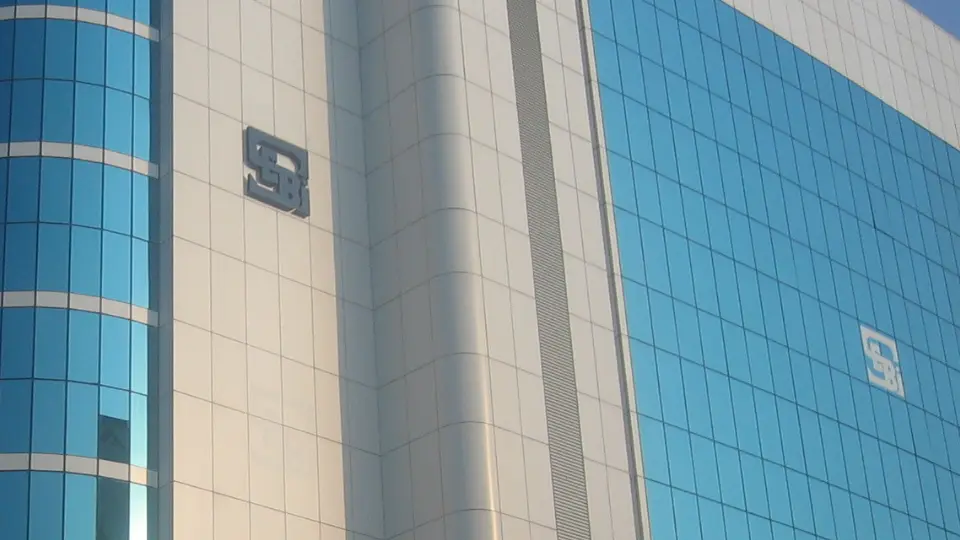
Nationwide Bank Strike on February 12 Disrupts Banking Services Across India
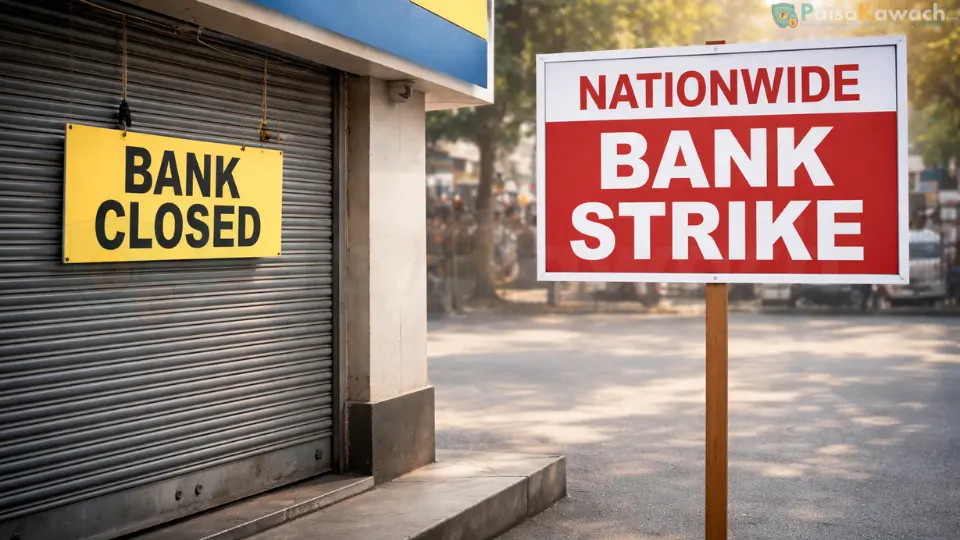
Nationwide Bank Strike Brings Banking Operations to a Halt
Banking services across several parts of India were disrupted on Thursday, February 12, as major bank unions observed a nationwide strike to protest the government’s proposed labour codes. The strike affected branch-level operations, creating uncertainty for customers and businesses dependent on in-person banking services.
The protest, supported by multiple employee unions from public and select private sector banks, reflects growing resistance to reforms that unions believe could weaken job security and collective bargaining rights. While digital banking channels remained largely functional, the shutdown of physical branches had an immediate operational impact.
Bank Strike Snapshot
- Date of strike: February 12, 2026
- Participants: Major bank employee unions nationwide
- Key issue: Opposition to new labour codes
- Immediate impact: Branch closures and service delays
- Digital channels: Largely operational
Why Bank Unions Are Protesting
At the core of the strike is opposition to the government’s labour code framework, which aims to consolidate and modernise existing labour laws. Bank unions argue that the proposed changes may allow easier hiring and firing practices and dilute long-standing worker protections.
Union representatives have stated that the reforms could fundamentally alter employment conditions in the banking sector, calling for wider consultations before implementation.
According to BBC, similar labour reforms in other sectors have already triggered protests, highlighting the sensitivity of employment-related policy changes in India’s organised workforce.
Impact on Customers, Businesses, and Markets
The immediate effect of the strike was felt by retail customers who rely on branch services for cash withdrawals, cheque clearances, and documentation-related work. Small businesses and traders were also impacted, particularly those dependent on branch-based transactions and credit processing.
From a market perspective, banking stocks were closely watched as service disruptions and labour unrest can influence short-term sentiment. While a single-day strike may not materially affect bank fundamentals, repeated industrial actions could raise concerns around operational stability.
How This Compares Across the Financial Sector
Unlike banks, non-banking financial companies (NBFCs) and fintech platforms continued operations without interruption, underscoring the growing divergence between traditional banking infrastructure and digital-first financial services. Private sector banks with higher digital adoption reported relatively lower disruption compared to public sector peers.
What to Watch Next
Attention now turns to whether the government and unions engage in further dialogue to resolve differences over the labour codes. Market participants will also monitor if additional strike days are announced, which could amplify disruption.
In the near term, customers are expected to shift temporarily toward online banking and alternative payment platforms. Over the longer term, the episode may accelerate discussions around workforce reforms and digital transformation within India’s banking system.
Keep Reading: More Insights You Might Like
 Alphabet Sells Rare 100-Year Bonds to Fuel AI Expansion and Data Center Growth
Next →
Alphabet Sells Rare 100-Year Bonds to Fuel AI Expansion and Data Center Growth
Next →
 Global Markets Slide as AI Disruption Fears Rattle Investors Worldwide
Comments
No comments yet. Be the first to comment!