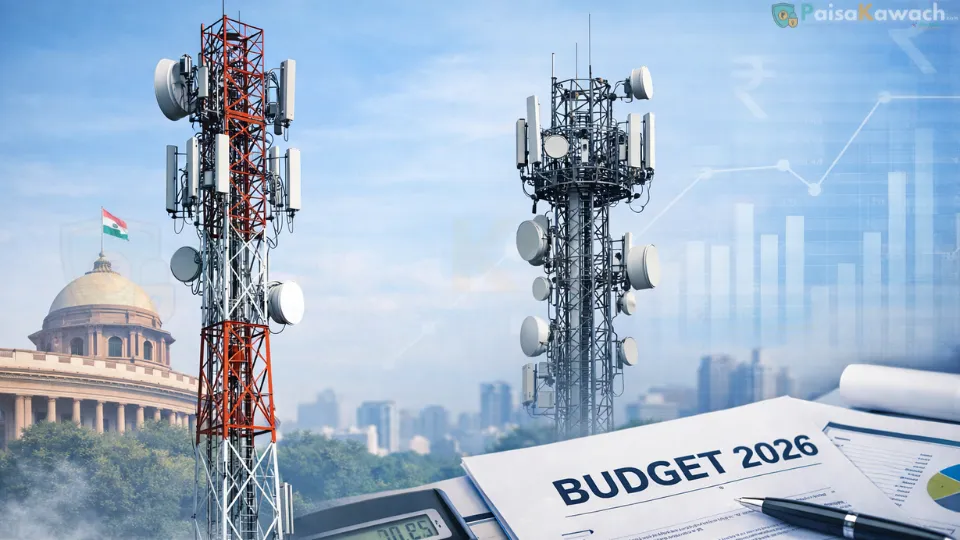
New Financial Rules from April 1, 2026: Major Impact on Your Money

Several important financial rules have come into effect in India, directly impacting taxpayers, salaried individuals, business owners, and daily banking users. These updates aim to improve transparency, digital adoption, and financial efficiency.
1. Changes in Income Tax Rules
With the new financial year, updates have been introduced in income tax policies. These changes may affect how much tax you pay and how you plan your finances.
- Revised tax slabs and structures
- Updated deductions and exemptions
- Greater push toward digital tax filing
Taxpayers should review their financial planning strategies to optimize tax savings under the new rules.
2. Updated PAN Card Application Process
The PAN card application process has been made more strict and digital-friendly to reduce fraud and improve verification.
- Mandatory Aadhaar linkage in most cases
- Faster digital verification process
- Stricter identity validation
This ensures better tracking of financial transactions and reduces misuse of fake identities.
3. Changes in FASTag Rules and Charges
New FASTag-related rules have been implemented to streamline toll payments and improve highway experiences.
- Possible revision in FASTag fees
- Stricter compliance for vehicle owners
- Improved toll collection efficiency
Users should ensure their FASTag accounts are active and sufficiently funded to avoid penalties.
4. ATM Usage and Banking Rule Updates
Banking services, especially ATM usage, have also seen updates that may affect transaction limits and charges.
- Changes in free ATM transaction limits
- Updated charges for additional withdrawals
- Encouragement of digital banking methods
Customers are advised to monitor their bank usage to avoid unnecessary charges.
5. Increased Focus on Digital Financial Ecosystem
The government continues to push for a cashless economy by promoting digital payments and stricter financial tracking.
- More incentives for digital transactions
- Enhanced monitoring of large transactions
- Improved financial transparency
This move supports long-term economic growth and reduces the shadow economy.
Conclusion
The new financial rules introduced from April 1, 2026, are designed to modernize India's financial ecosystem. While some changes may slightly increase compliance requirements, they ultimately aim to create a more transparent, efficient, and digital economy.
Staying informed and adapting early can help individuals and businesses make better financial decisions and avoid unnecessary penalties.
Keep Reading: More Insights You Might Like
 New Financial Year FY 2026–27 Begins: Key Income Tax Changes and What They Mean for You
Next →
New Financial Year FY 2026–27 Begins: Key Income Tax Changes and What They Mean for You
Next →
 Markets Reopen Amid Iran War Oil Shock — RBI MPC Begins Key April 2026 Meeting
Comments
No comments yet. Be the first to comment!