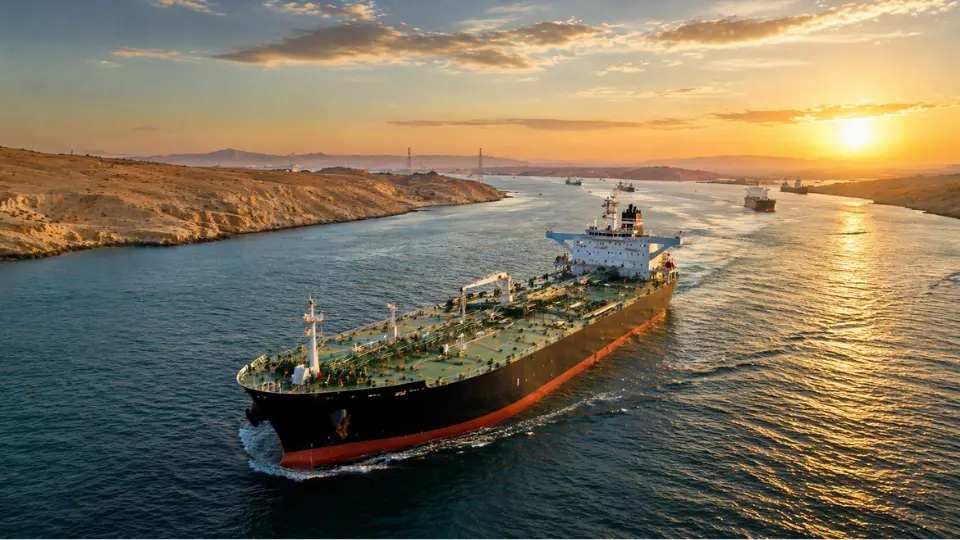
Strait of Hormuz Shipping Traffic Falls to Just 4 Vessels: What It Means for Oil Prices and Global Trade
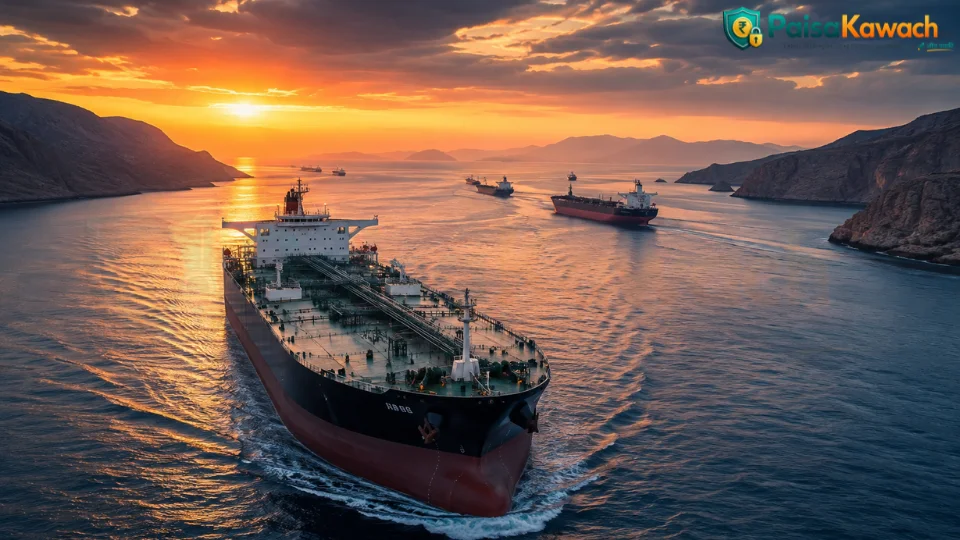
Shipping traffic through the Strait of Hormuz has fallen sharply as the latest escalation between the United States and Iran raises fresh concerns about the safety of one of the world's most important energy routes. According to preliminary ship-tracking data reported on September 2, only four commodity vessels transited the strategic waterway on Tuesday, compared with 10 vessels the previous day and a 10-day average of around 13.
The decline is significant because the Strait of Hormuz connects the Persian Gulf with the Gulf of Oman and the wider Arabian Sea. Before the current conflict, the route carried a major share of global oil trade. A prolonged reduction in shipping activity could therefore affect crude prices, tanker availability, insurance costs and energy-importing economies.
Why Did Strait of Hormuz Shipping Traffic Fall to Four Vessels?
The sharp decline came as U.S.-Iran hostilities intensified again. Reuters reported that the United States launched strikes on Tuesday, followed by retaliatory actions from Iran. The renewed military confrontation has increased the perceived risk for commercial vessels operating through the Gulf.
What the latest shipping data shows
The preliminary Kpler data cited by Reuters identified four commodity vessels crossing the Strait of Hormuz on Tuesday: one very large crude carrier, one Panamax tanker, one Kamsarmax carrier and one intermediate tanker. Three were recorded exiting the waterway while one was entering.
- Only 4 commodity vessels were recorded transiting on Tuesday.
- The recent 10-day average was approximately 13 vessels per day.
- Shipping traffic through the Bab el-Mandeb also fell below its recent average.
The numbers should be treated as preliminary rather than a complete real-time count. Some vessels can switch off their automatic identification system transponders, meaning ship-tracking databases may not capture every movement.
What Lower Hormuz Traffic Means for Oil Prices
The biggest financial-market consequence is the potential impact on crude oil. Traders closely monitor vessel movements through the Strait because lower traffic can signal that shipowners, energy companies or insurers consider the route increasingly risky.
Oil prices have already responded to renewed U.S.-Iran fighting. Reuters reported that Brent crude rose to around $95.91 per barrel on Wednesday, reaching a five-week high as traders assessed the possibility of further disruption to energy supplies.
Why oil traders are watching every tanker
A fall in shipping activity does not automatically mean that global oil supplies have stopped. However, persistent disruption could make it more difficult and expensive to move crude and refined products from Gulf producers to international buyers.
- Lower vessel traffic can increase concerns about physical oil availability.
- Higher war-risk insurance and freight costs can raise the delivered price of crude.
- A prolonged disruption could increase inflation pressure in energy-importing countries.
The situation is particularly important for Asia because major economies in the region depend heavily on Middle Eastern energy supplies. If oil prices remain elevated, higher fuel and transportation costs could eventually feed into consumer prices and corporate expenses.
How the Hormuz Shipping Crisis Could Affect the Global Economy
The Strait of Hormuz story is no longer only an oil-market story. It is increasingly connected to global inflation, interest rates, currencies, government bonds and stock markets.
Why investors are watching Hormuz alongside bond yields
Higher oil prices can create a difficult environment for central banks. If energy prices push inflation higher while economic growth remains uncertain, policymakers have less flexibility to reduce interest rates.
- Higher crude prices can increase inflation expectations.
- Higher inflation can keep interest rates elevated for longer.
- Higher interest rates can pressure stocks, bonds and emerging-market currencies.
That dynamic was already visible in global markets on Wednesday. Reuters reported that Asian equities fell sharply, while the U.S. 10-year Treasury yield reached about 4.81%. South Korea's KOSPI dropped more than 3% and Japan's Nikkei fell about 2.6%, while Brent crude climbed toward $96 a barrel.
For investors, the key question is therefore not simply whether four ships crossed the Strait on Tuesday. The more important question is whether shipping traffic remains unusually low for several consecutive days and whether that weakness is accompanied by sustained increases in crude prices, freight rates and insurance costs.
What Happens Next in the Strait of Hormuz?
The next 24 to 72 hours could be particularly important for energy markets. A recovery in vessel traffic would suggest that some shipping operators are willing to return to the route despite elevated risks. Continued weakness would indicate that commercial operators remain cautious.
Three indicators to watch next
Investors and businesses should monitor shipping activity, crude prices and developments between Washington and Tehran rather than relying on any single day's vessel count.
- Strait of Hormuz traffic: Watch whether daily transits recover from the current low level.
- Brent crude: A sustained move higher would indicate that traders are pricing a greater supply-risk premium.
- U.S.-Iran developments: Further military escalation could increase pressure on shipping and energy markets.
The current four-vessel figure is an important warning signal, but it should not be interpreted as proof that the Strait of Hormuz has completely closed. Preliminary tracking data can change, and some vessels may not appear in AIS-based datasets. The more meaningful signal will be whether unusually low traffic persists and begins to translate into sustained physical oil-market disruption.
For consumers, importers and investors around the world, the Strait of Hormuz remains one of the most important places to watch today. Any prolonged disruption could move beyond the energy market and affect inflation, interest rates, currencies, transportation costs and financial markets worldwide.
Keep Reading: More Insights You Might Like
 AI Video, Real Missiles: Untangling the Weekend Iran Escalation That Actually Matters
Next →
AI Video, Real Missiles: Untangling the Weekend Iran Escalation That Actually Matters
Next →
 Two Wars, One Rupee: How Kyiv's Bad Week and Tehran's Standoff Both Landed on Sensex
Comments
No comments yet. Be the first to comment!