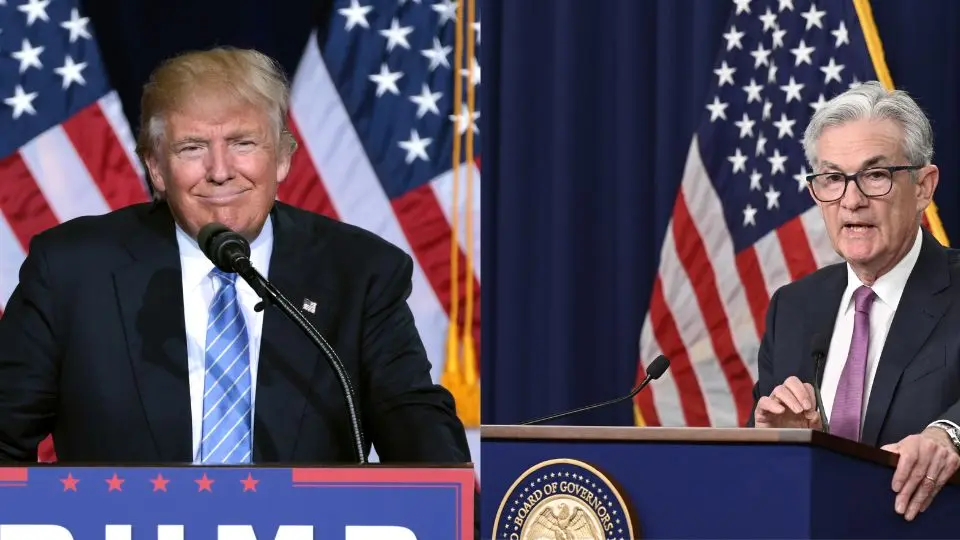
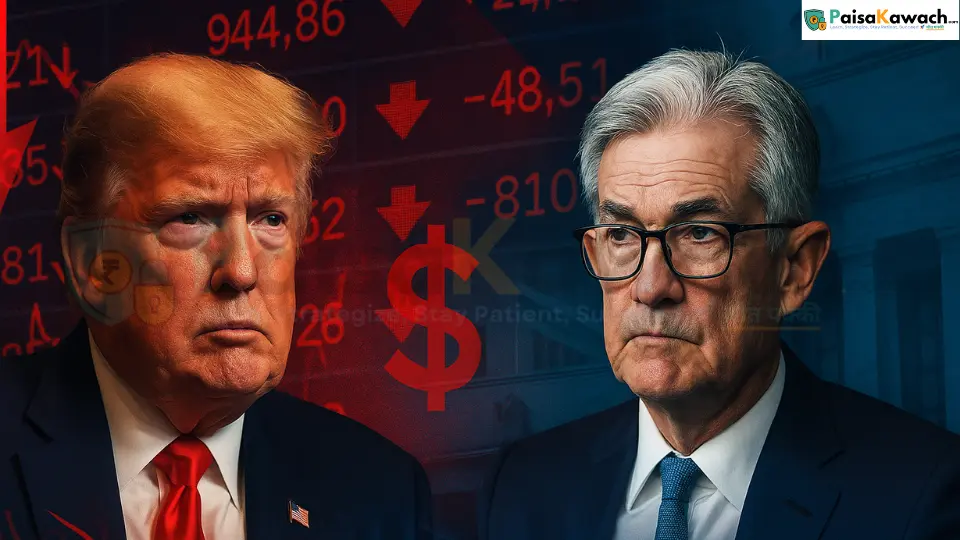
Trump Cancelled the Hormuz Fee. Your Grocery Bill Didn't Get the Memo.

Somewhere between Monday's headline and Tuesday's headline, a 20% fee was born and died. President Trump announced a toll on ships crossing the Strait of Hormuz, then a day later scrapped it entirely, saying Gulf states would instead be making trade and investment deals into the United States. Oil prices eased off their highs. Markets treated it as a relief valve opening. And if you only read the global wire story, that's where the narrative ends — crisis defused, move along.
Except that isn't actually the story for anyone reading this from India. Because while Washington and the Gulf states were renegotiating a toll that existed for roughly twenty-four hours, a completely different number quietly crossed a line that matters far more to an Indian household than any US-Iran fee arrangement ever will.
The Number Nobody Connected to the Fee Cancellation
India's retail inflation hit 4.38% in June, moving past the Reserve Bank of India's 4% target for the first time since January 2025. That data point landed the same week as the Hormuz fee drama, but it barely got mentioned in the same breath — because it's not a dramatic geopolitical headline, it's a slow, structural number. Slow, structural numbers don't trend. They just quietly determine what your fixed deposit is actually worth in real terms.
Here's the disconnect worth sitting with: the fee that made headlines lasted about a day. The inflation print that barely made headlines will shape RBI policy discussions for months. One was theater. The other is the actual economic condition India is now operating inside.
Why Oil Prices Eased But India's Import Bill Didn't Reset
Brent crude pulled back from its peak after the fee cancellation, but it's still trading meaningfully above where it sat before this entire Hormuz episode began in February. That's the part a one-day news cycle glosses over. WTI crude sat above $79 a barrel and Brent near $85 even after the "relief" — both still elevated versus the low-$70s range India's import planning was built around earlier in the year.
- India imports roughly 85% of its crude oil needs, meaning any sustained price plateau — not just a spike — feeds directly into the trade deficit and rupee pressure
- A fee cancellation reduces headline anxiety but does not reverse the months of elevated pricing that already worked their way into fuel, freight, and transport costs
- Retail inflation data reflects costs that were locked in weeks before the fee was even announced, meaning the cancellation arrives too late to show up in the number that already broke the RBI's ceiling
What This Actually Means If You Hold Rupee Assets
This is the part that rarely gets written because it doesn't fit a breaking-news format — it's a slower argument about what happens after the headline fades. When retail inflation crosses a central bank's target ceiling, the central bank doesn't get to celebrate a fee cancellation in Washington. It has to look at its own mandate and ask whether the current rate path still makes sense.
An RBI facing above-target inflation has historically preferred to hold rates rather than cut, even when global sentiment turns more optimistic. That creates a strange, underappreciated moment for anyone parking money in fixed deposits or debt instruments right now: the geopolitical scare that pushed oil up is technically "resolved," but the domestic inflation consequence of that scare is only just showing up in the data — and it's the data, not the geopolitics, that the RBI actually responds to.
The Real-Term Return Problem Most People Aren't Calculating
A fixed deposit paying a nominal 7% doesn't feel very different when inflation sits at 3.5% versus 4.38% — until you actually do the subtraction. The real, inflation-adjusted return on the exact same FD just shrank by nearly a full percentage point, purely because of a data print most people never saw connected to a fee they read about in a completely different news story two days earlier.
- Real returns on fixed-income instruments compress every time inflation climbs, even if the nominal interest rate stays exactly the same
- Equity markets already reacted to the FII selling pressure tied to this inflation surprise, with the Sensex falling roughly 0.77% in the session immediately following the data release
- Banking and financial services stocks were among the session's steepest decliners, reflecting how directly rate-sensitive sectors respond to inflation surprises rather than to geopolitical fee news
The Lesson Buried Under Two Days of Headlines
The pattern worth remembering here has nothing to do with Iran, oil tankers, or presidential toll announcements specifically. It's a pattern that repeats every time a geopolitical shock and a domestic economic data point land in the same week: the loud story resolves fast, and the quiet story doesn't resolve at all — it just starts working through the system on its own timeline.
A fee got announced and cancelled inside forty-eight hours. Retail inflation crossing a central bank's ceiling doesn't get cancelled by a Truth Social post. It gets absorbed slowly, through central bank commentary, through fixed deposit renewal rates, through how expensive your next grocery run turns out to be. The headline cycle has already moved on from the Hormuz fee. The number that actually determines what your money is worth six months from now is just getting started.
Keep Reading: More Insights You Might Like
 The Hormuz Shock: How One Waterway Is Quietly Rewriting the Rules of Global Money
Next →
The Hormuz Shock: How One Waterway Is Quietly Rewriting the Rules of Global Money
Next →
 Three Fractures, One World Economy: Why AI Stocks, Iran, and China Sentiment Are All the Same Story
Comments
No comments yet. Be the first to comment!