U.S. Federal Reserve Expected to Deliver Three Rate Cuts in 2025 as Inflation Cools
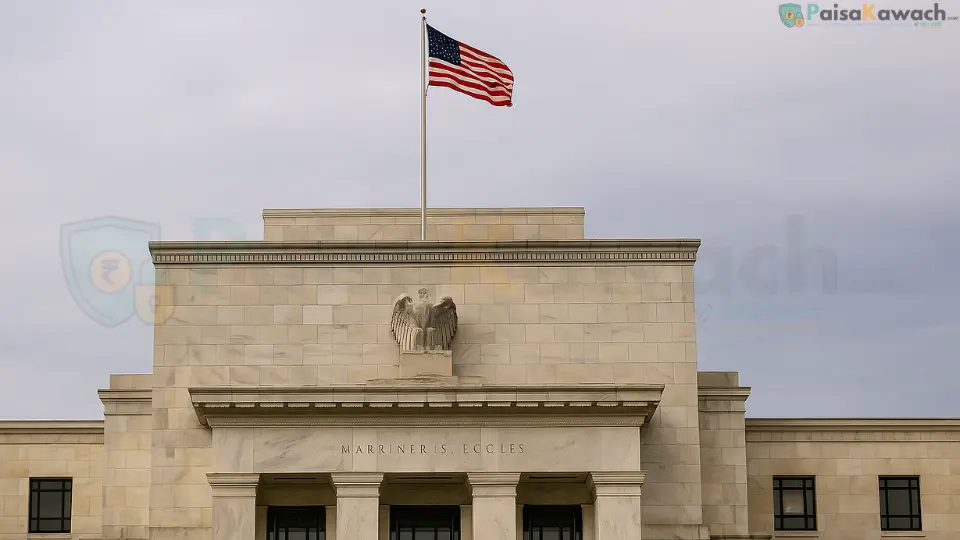
The global financial community is closely watching the U.S. Federal Reserve as two major Wall Street banks—Morgan Stanley and Deutsche Bank—predict that the central bank will implement three interest rate cuts this year. Their outlook reflects growing confidence that inflation is finally stabilizing after months of elevated price pressures.
Why Analysts Expect Policy Easing
According to economists, the Fed’s aggressive tightening cycle in recent years has started to cool demand across key sectors. Consumer spending has moderated, wage growth has slowed, and inflation data is showing signs of relief. This backdrop strengthens the case for gradual rate cuts to support sustainable growth.
- Morgan Stanley’s forecast: The investment bank expects the first cut as early as Q3 2025, followed by two more before year-end.
- Deutsche Bank’s forecast: Analysts project similar timing, emphasizing that the Fed is likely to prioritize economic stability over prolonged inflation concerns.
Implications for Global Markets
The expectation of rate cuts is already influencing market behavior. Bond yields have started to ease, while equity markets remain near record highs. A softer U.S. dollar could also benefit emerging economies, including India, where capital inflows often respond to U.S. monetary policy signals.
Risks and Uncertainties Ahead
While the outlook appears optimistic, analysts caution that risks remain. A sudden spike in energy prices, geopolitical instability, or stronger-than-expected labor market data could force the Fed to reconsider its pace of easing. Moreover, cutting rates too quickly may risk reigniting inflation.
How Businesses and Investors Should Respond
For investors, the Fed’s potential shift signals opportunities in equities, real estate, and rate-sensitive sectors. Businesses, particularly those with high leverage, may benefit from reduced financing costs. However, maintaining caution and hedging strategies remains essential given the unpredictable global economic environment.
Conclusion
The projected rate cuts underscore a turning point in U.S. monetary policy. If inflation continues to trend lower, 2025 could mark the beginning of a new phase of economic balance—where growth and stability take precedence over prolonged inflation-fighting measures.
Keep Reading: More Insights You Might Like
 Oil Prices Slide as Oversupply Concerns and Weak U.S. Demand Pressure Markets
Next →
Oil Prices Slide as Oversupply Concerns and Weak U.S. Demand Pressure Markets
Next →
 Nifty and Sensex Weekly Report: Key Market Moves, Infosys Buyback, and SEBI Reforms (Sep 8–12, 2025)
Comments
No comments yet. Be the first to comment!