World News Today, 11 November 2026: US Inflation Shock, Hormuz Oil Crisis, China Trade Surplus & Sensex Rally
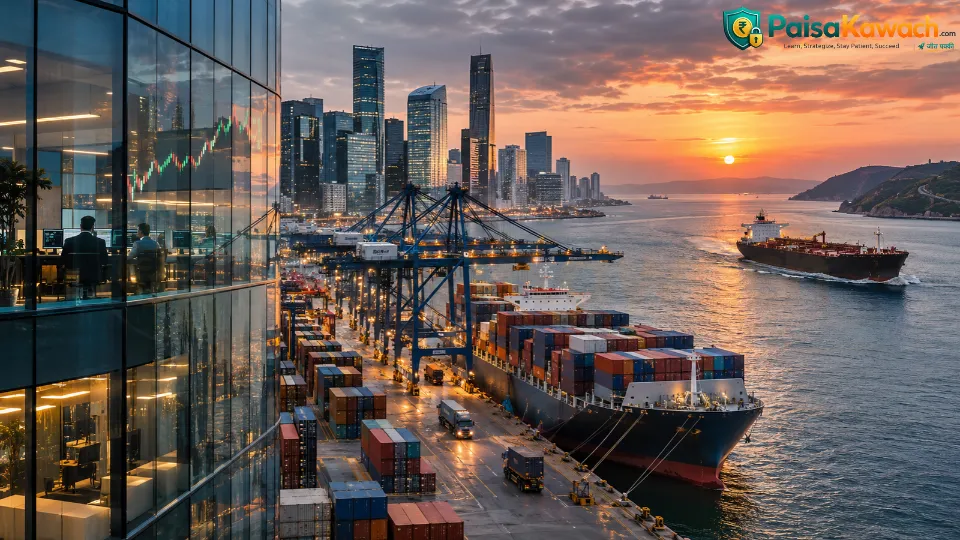
World Business and Financial News Today, 11 November 2026: The global economy is facing another important day as inflation, geopolitical tensions, international trade and stock market movements influence financial decisions around the world.
Four developments stand out this Wednesday. A hotter-than-expected US inflation report has shaken financial markets, renewed attacks on vessels in the Strait of Hormuz are raising concerns about energy supplies, China's enormous trade surplus is increasing pressure on international trading relationships, and Indian stock markets have extended their post-Diwali rally.
While these stories are unfolding in different parts of the world, they are closely connected. American interest rates influence global investment flows, oil prices affect inflation across continents, Chinese exports reshape international competition, and Indian stock markets respond to these developments.
Published: 11 November 2026 | Coverage: Global Economy, International Affairs, Stock Markets, Energy and Indian Finance | Reading Time: Approximately 10 minutes
Today's Top 4 News Stories at a Glance
Explore the biggest developments affecting the world economy today:
- 1. US Inflation Shock: October consumer prices rise 0.4%, increasing expectations of a December Federal Reserve rate hike.
- 2. Strait of Hormuz Oil Crisis: Renewed tanker attacks raise concerns about international energy supplies and shipping safety.
- 3. China's $1 Trillion Trade Surplus: Strong exports, supported by demand for AI-related technologies, reshape global trade.
- 4. India's Stock Market Rally: Sensex jumps more than 1,300 points in early trading and Nifty crosses 25,400.
Why these stories matter: Together, they influence interest rates, fuel prices, international trade, inflation, currencies and the investment decisions of millions of people.
1. US Inflation Shock: Federal Reserve Rate Hike Fears Return as Global Markets React
The United States has delivered one of the most important economic developments of the week. Official inflation figures released on 10 November showed that consumer prices increased faster than economists expected in October 2026, renewing concerns about persistent price pressures in the world's largest economy.
According to US inflation data reported by Reuters, the Consumer Price Index increased 0.4% month-on-month in October, compared with economists' expectations of 0.3%. The increase followed a 0.6% rise in September.
Core inflation, which excludes volatile food and energy prices, increased 0.3% during October, above the forecast of 0.2%.
The report is significant because the Federal Reserve is attempting to contain inflation while balancing economic growth and employment conditions.
Why Is US Inflation Causing Concern?
Inflation affects the purchasing power of consumers, the profitability of companies and the cost of borrowing. When inflation remains elevated, central banks may raise interest rates to reduce demand and contain price increases.
The Federal Reserve's inflation target is 2% over time, measured using the Personal Consumption Expenditures price index. Persistent CPI inflation can therefore influence expectations about future monetary policy, although CPI and PCE are different measures.
- Consumer prices: US CPI increased 0.4% in October, exceeding market expectations.
- Underlying inflation: Core CPI increased 0.3%, indicating continued pressure beyond food and energy.
- Interest-rate expectations: Investors increased their expectations of a December Federal Reserve rate increase.
- Bond markets: US Treasury yields rose as investors reassessed future interest rates.
- Global markets: American equities weakened, the dollar strengthened and gold declined following the report.
Could the Federal Reserve Raise Interest Rates in December?
Financial markets have increased expectations of a rate hike at the Federal Reserve's scheduled 8–9 December meeting. Some investors are also assessing the possibility of a larger increase if inflation remains persistent.
However, an interest-rate hike has not yet been decided, and policymakers will assess additional economic information before their meeting.
Market expectations are not official Federal Reserve decisions. The final decision will depend on inflation, employment, economic activity and financial conditions.
How Could US Inflation Affect the Rest of the World?
US monetary policy has international consequences because the dollar is widely used in trade, investment and global financial transactions.
- Emerging markets: Higher US interest rates may attract international capital toward dollar-denominated assets.
- Currencies: A stronger dollar can increase pressure on currencies in developing economies.
- Borrowing costs: Businesses and governments with dollar-linked borrowing may face higher financing expenses.
- Gold prices: Rising bond yields can reduce the appeal of non-interest-bearing assets such as gold.
- Technology stocks: Higher discount rates can pressure valuations of companies whose expected profits are concentrated in the future.
What Does This Mean for Indian Investors?
Indian financial markets are influenced by global interest rates because foreign portfolio investors allocate capital across countries. When American bond yields increase, some investors may reconsider their exposure to emerging-market equities and bonds.
For Indian households, possible effects include greater volatility in mutual funds, changes in the rupee's exchange rate and fluctuations in international gold prices.
However, these outcomes are not automatic. Domestic corporate earnings, Indian interest rates, economic growth and foreign investment flows will determine how strongly the country responds.
PaisaKawach Takeaway: Investors should monitor US inflation and Federal Reserve decisions, but avoid making long-term portfolio changes solely because of one inflation report.
Source: Reuters — US Inflation Report
2. Strait of Hormuz Oil Crisis: Renewed Tanker Attacks Threaten Global Energy Security
Geopolitical tensions in the Middle East remain one of the most serious economic risks facing the world on 11 November 2026.
Oil prices rebounded on Wednesday after falling to two-month lows in the previous trading session. Continued attacks on commercial shipping near the Strait of Hormuz have created uncertainty about the safety and reliability of energy transportation.
The Strait of Hormuz is a strategically important maritime passage connecting the Persian Gulf with international shipping routes. Disruptions in this region can influence crude oil shipments, insurance costs and global energy prices.
What Happened in the Strait of Hormuz?
According to Reuters, Brent crude climbed to approximately $92.53 per barrel during Wednesday's morning trading, while US West Texas Intermediate crude reached approximately $86.71 per barrel.
These prices reflected a rebound from the previous session's lows as markets weighed expectations of possible diplomatic progress against the risk of further disruption.
New reports also highlighted continued attacks involving commercial vessels and tankers near the strategic waterway.
- Shipping attacks: Data cited by Reuters recorded 37 vessel attacks in the Strait of Hormuz and nearby waters during October.
- November incidents: Further attacks have been reported this month, raising concerns about maritime security.
- Tanker damage: Recent incidents included reports of vessels being struck and tankers catching fire.
- Oil market reaction: Crude prices rebounded as investors assessed the continuing disruption risk.
- Diplomatic uncertainty: Hopes of reduced US-Iran tensions remain important, but no comprehensive resolution has been confirmed.
Why Is the Strait of Hormuz So Important to the World?
The Strait of Hormuz is one of the world's most important oil transportation routes. Major energy-producing countries in the Persian Gulf rely on this corridor to ship petroleum and other energy products to international customers.
Any serious disruption can affect far more than the oil industry.
- Energy supply: Delayed or restricted shipments can create uncertainty about crude oil availability.
- Transportation: Higher fuel costs can affect airlines, trucking operators and shipping companies.
- Manufacturing: Energy-intensive industries may experience higher production expenses.
- Consumer inflation: Sustained fuel-price increases can influence the prices of transportation and other goods.
- International trade: Shipping disruptions can increase insurance premiums, delivery times and logistics costs.
Could Oil Prices Rise Further?
Oil markets face competing influences. On one side, diplomatic progress could reduce concerns about future disruptions. On the other, continuing attacks, maritime insurance costs and the potential need for mine clearance could prevent shipping activity from returning quickly to normal.
Higher oil inventories or weaker demand could limit price increases, while a significant escalation in attacks could create renewed upward pressure.
Therefore, the direction of oil prices remains uncertain, and temporary price movements should not be mistaken for a sustained trend.
How Could This Crisis Affect India?
India depends heavily on imported crude oil, making international energy prices especially relevant to the domestic economy.
- Petrol and diesel: Sustained higher crude costs may create pressure on retail fuel prices, although domestic pricing depends on several factors.
- Inflation: Rising transportation and production expenses could eventually affect household budgets.
- Rupee: A higher oil import bill can increase demand for foreign currency.
- Corporate profits: Airlines, logistics companies, chemical producers and other energy-intensive businesses may experience margin pressure.
- Government finances: Energy prices can influence import costs, tax receipts and policy decisions.
PaisaKawach Takeaway: For Indian readers, oil-price movements matter because they can affect everyday expenses, inflation and certain investment sectors. Monitor sustained trends rather than reacting to a single trading-session increase.
Source: Reuters — Oil Prices and Hormuz Shipping Attacks
3. China's Trade Surplus Crosses $1 Trillion: Why the Global Economy Is Watching
China has reported another extraordinary milestone in international trade, raising important questions about global manufacturing competition, international demand and future trade relations.
Official customs data released on 10 November showed that China's trade surplus reached approximately $1.04 trillion during January–October 2026.
The data has become a major international economic story on 11 November as governments and businesses consider what China's growing export strength means for global competition.
A trade surplus occurs when the value of a country's exported goods exceeds the value of its imported goods.
What Do China's Latest Trade Numbers Reveal?
China's exports increased 35.2% year-on-year during October, reaching approximately $412.3 billion. Imports also increased substantially, rising 41.6% to approximately $307.1 billion.
The country's October monthly trade surplus was approximately $105.3 billion.
- January–October trade surplus: Approximately $1.04 trillion.
- October exports: Increased 35.2% compared with October 2025.
- October imports: Increased 41.6% year-on-year.
- Monthly surplus: Approximately $105.3 billion in October.
- Important growth driver: International demand for AI-related technology products, electronics and associated infrastructure.
How Is Artificial Intelligence Supporting China's Exports?
Artificial intelligence is increasingly influencing international trade through rising demand for semiconductors, servers, networking equipment and data-centre infrastructure.
China's manufacturing ecosystem plays an important role in supplying components and equipment for global technology investment.
According to Reuters, Chinese semiconductor exports increased 111.1% during the first ten months of 2026, while high-tech shipments also recorded substantial growth.
These developments show how the global investment boom in artificial intelligence is influencing manufacturing supply chains and international economic relationships.
Why Could China's Trade Surplus Increase International Tensions?
China's enormous export surplus may increase concerns among trading partners about industrial competition, market access, subsidies and domestic manufacturing competitiveness.
- United States: Trade relations, tariff policy and technology restrictions remain important issues.
- European Union: Strong Chinese exports could increase pressure on European manufacturers and policymakers.
- Emerging economies: Lower-priced imported goods may benefit consumers while creating competition for domestic producers.
- Global businesses: Companies may reassess manufacturing locations and supply-chain dependencies.
- International negotiations: Trade imbalances could become a significant topic in upcoming diplomatic discussions.
Does a Large Trade Surplus Mean China's Economy Is Completely Healthy?
Not necessarily.
China's export performance is strong, but the country continues to face challenges involving domestic consumption, its property sector and the balance between domestic demand and external trade.
A rising trade surplus can strengthen economic activity and industrial production, but heavy dependence on overseas demand can also increase vulnerability to tariffs, protectionist policies and global economic slowdowns.
What Could China's Export Boom Mean for India?
India faces both opportunities and challenges from China's expanding manufacturing and export capacity.
- Manufacturing competition: Indian companies may face stronger competition in international and domestic markets.
- Affordable imports: Indian businesses that depend on imported equipment and components may benefit from competitive prices.
- Supply-chain diversification: International companies may continue evaluating India as an alternative manufacturing destination.
- Technology investment: Demand for AI infrastructure could influence Indian electronics, technology services and data-centre industries.
- Trade policy: Tariffs, industrial incentives and bilateral negotiations may become increasingly important.
PaisaKawach Takeaway: China's trade expansion is not simply an export story. It could influence manufacturing jobs, consumer prices, international competition and technology investment for years to come.
Source: Reuters — China's Trade Surplus Surpasses $1 Trillion
4. India Stock Market Today: Sensex Surges Over 1,300 Points as Nifty Crosses 25,400
Indian equity markets opened strongly on Wednesday, 11 November 2026, continuing their impressive post-Diwali rally.
The benchmark BSE Sensex surged more than 1,300 points during early trading, while the NSE Nifty 50 crossed the 25,400 mark as investors responded to foreign fund inflows, lower crude oil prices and encouraging corporate earnings.
Indian markets reopened after remaining closed on Tuesday for Diwali Balipratipada.
Sensex and Nifty: What Happened in Today's Trading?
According to a morning market update published at 10:25 AM IST, the Sensex reached an intraday high of 82,520.40, while the Nifty 50 touched 25,424.35.
At 9:53 AM, the Sensex was trading at 82,386.84, up approximately 1,280 points, while the Nifty 50 stood at 25,388.05, gaining approximately 343 points.
Market Data Note: These are morning trading observations from 11 November 2026, not official closing figures. Index values may change throughout the trading session.
What Is Driving the Indian Stock Market Rally?
Several factors are supporting positive sentiment in domestic equities.
- Foreign institutional investment: Renewed buying by foreign investors has increased demand for Indian equities.
- Lower crude oil prices: Oil trading below recent highs has improved sentiment toward India's inflation and import-cost outlook.
- Corporate earnings: Stronger-than-expected quarterly results have supported expectations for business profitability.
- Sector participation: Banking, automobile and other major sectors contributed to the morning rally.
- Post-Diwali momentum: Positive market sentiment has continued across several trading sessions.
Are Foreign Investors Returning to Indian Equities?
Foreign portfolio investment has been one of the major factors behind the recent market advance.
The Economic Times reported on Wednesday that foreign institutional investors had purchased approximately ₹53,170 crore worth of Indian equities during November up to that point.
While these inflows can support equity prices and improve investor sentiment, they can also reverse when global interest rates, currency expectations or risk appetite change.
Which Sectors Could Be Affected?
- Banking: Financial stocks may benefit from improved investor confidence and expectations for credit growth.
- Automobiles: Lower energy costs and domestic demand can influence business outlooks.
- Aviation: Changes in international crude oil prices can affect fuel expenses and profitability.
- Information technology: US economic conditions and global technology spending remain important influences.
- Oil and gas: Refiners, producers and marketing companies can experience different effects from crude-price changes.
Should Retail Investors Buy Stocks After the Rally?
A sharp market rally often creates excitement and fear of missing out. However, investors should distinguish between strong market momentum and the fundamental value of individual companies.
Rising index levels do not guarantee that every stock is attractively valued or that prices will continue increasing.
- Long-term investors: Review financial goals, portfolio diversification and asset allocation before making changes.
- Mutual fund investors: Avoid stopping or increasing systematic investment plans solely because of short-term market movements.
- New investors: Understand company fundamentals, valuation and risk before purchasing shares.
- Short-term traders: Be aware that sharp rallies can also create sudden reversals and elevated volatility.
- All investors: Avoid investing money needed for immediate financial commitments into volatile assets.
PaisaKawach Takeaway: India's market rally reflects stronger sentiment and improving investment flows, but sustainable returns depend on earnings growth, valuations and disciplined financial planning.
Sources: Outlook Money — Sensex and Nifty Rally | Economic Times — India's Diwali Market Rally
How Today's Four Major News Stories Are Connected
Although the four developments involve different countries and industries, they demonstrate how closely interconnected the global economy has become.
The Global Economic Chain Reaction
- US inflation rises: Higher interest-rate expectations influence international borrowing costs, bond markets and the dollar.
- Oil supply uncertainty increases: Energy-price volatility can affect inflation and production expenses around the world.
- Chinese exports expand: Global competition, manufacturing supply chains and trade negotiations become increasingly important.
- Indian markets rally: Foreign investment, corporate earnings and energy prices shape domestic investor confidence.
The most important lesson is that financial markets rarely respond to a single development. Instead, economic growth, corporate profitability, geopolitics, inflation and monetary policy interact continuously.
What Should Readers Watch Next?
The following developments could influence global financial markets over the coming days and weeks.
Key Events and Indicators to Monitor
- 8–9 December: The scheduled Federal Reserve monetary-policy meeting and its interest-rate decision.
- Middle East diplomacy: Any confirmed agreement, escalation or improvement in commercial shipping safety around the Strait of Hormuz.
- International trade discussions: New information about US-China trade negotiations and potential tariffs.
- Indian foreign investment flows: Whether strong foreign institutional buying continues in domestic equity markets.
- Crude oil and the rupee: Sustained changes in energy prices and currency movements that could affect India's inflation outlook.
- Corporate earnings: Whether business results justify the recent expansion in Indian equity valuations.
Frequently Asked Questions About Today's World News
1. What Is the Biggest International Financial News on 11 November 2026?
The US inflation report is among the most consequential developments because it has increased expectations of a Federal Reserve rate hike, affecting global bond yields, currencies and stock markets.
2. Why Is the Strait of Hormuz Crisis Affecting Oil Prices?
Attacks on commercial shipping can threaten energy transportation, increase insurance expenses and create uncertainty about crude oil availability. Prices react to both actual disruptions and expectations of future supply risks.
3. Why Has China's Trade Surplus Crossed $1 Trillion?
Strong international demand for Chinese manufactured products, particularly AI-related technologies and equipment, has supported exports. The reported surplus reached approximately $1.04 trillion during January–October 2026.
4. Why Is the Indian Stock Market Rising Today?
Foreign investor inflows, lower crude prices relative to recent highs, positive corporate earnings and post-Diwali momentum have supported the Sensex and Nifty rally.
5. Will Higher US Interest Rates Affect Indian Investors?
They can influence global capital flows, exchange rates, bond yields and equity valuations. However, the actual impact depends on Indian economic fundamentals and broader market conditions.
6. Should Investors Change Their Portfolio Because of Today's Headlines?
Investors should generally base long-term decisions on their financial goals, risk tolerance, investment horizon and diversification rather than on a single day's news.
Final Analysis: A Defining Day for Global Economic Sentiment
November 11, 2026, highlights four powerful forces influencing today's economy: persistent American inflation, geopolitical risks to energy supply, China's expanding export influence and India's strengthening equity-market sentiment.
The US inflation report has increased uncertainty over future interest rates. Meanwhile, instability around the Strait of Hormuz continues to demonstrate how geopolitical tensions can affect global energy supplies and household expenses.
China's historic trade surplus reflects the growing influence of international demand for advanced technology, while India's market rally shows how foreign investment flows, corporate performance and global commodity prices can support domestic financial markets.
For readers and investors, the most useful response is not to react to every headline but to understand how international developments influence savings, investments, borrowing costs, employment opportunities and everyday living expenses.
Stay informed with PaisaKawach for business news, financial explainers and insights into the economic developments shaping India and the world.
Disclaimer: This article is published for news, educational and informational purposes only. It does not constitute investment, legal or financial advice. Market information reflects the reporting times stated and is subject to change. Readers should consult qualified professionals before making significant financial decisions.
Keep Reading: More Insights You Might Like

Comments
No comments yet. Be the first to comment!