Navigating Global Supply Chains: Lessons Learned from Recent Disruptions

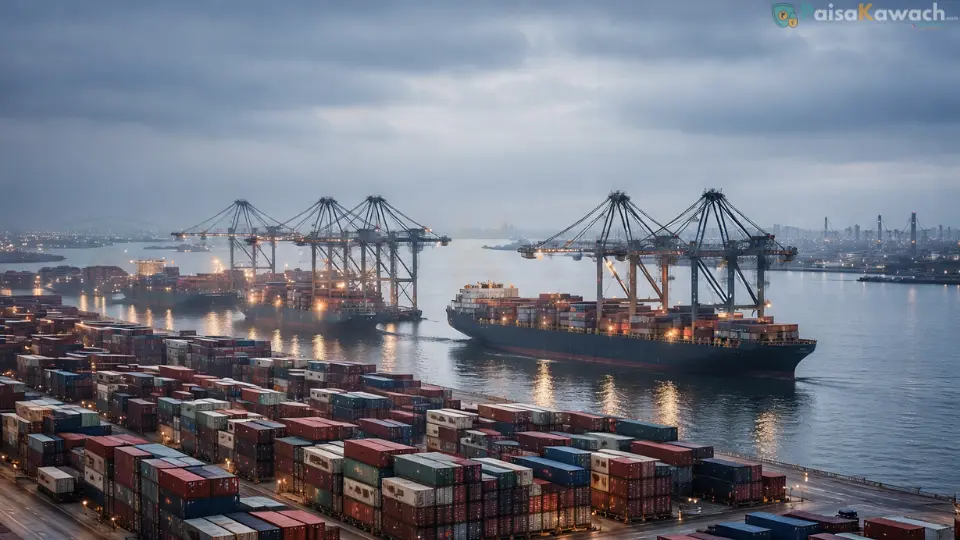
Photo by Lance Chang on Unsplash
Introduction
The global supply chain landscape in 2025 has been marked by significant disruptions, ranging from geopolitical tensions and natural disasters to technological challenges. These events have underscored the vulnerabilities inherent in interconnected supply networks and highlighted the urgent need for businesses to adapt and build resilience. This article delves into the key lessons learned from recent supply chain disruptions and explores strategies for navigating the complexities of global logistics in the current era.
Understanding the Disruptions
Recent disruptions have been multifaceted, involving a combination of factors that have tested the robustness of global supply chains. Notable incidents include:
- Geopolitical Tensions: Escalating conflicts and trade disputes have led to uncertainties in supply routes and increased costs.
- Natural Disasters: Events such as floods, hurricanes, and wildfires have damaged infrastructure and disrupted production.
- Technological Failures: Cyberattacks and system outages have compromised data integrity and operational continuity.
These disruptions have had far-reaching impacts, affecting industries worldwide and prompting a reevaluation of existing supply chain strategies.
Lessons Learned
1. Diversification is Crucial
Over-reliance on single suppliers or regions has proven to be a significant risk factor. Companies that diversified their supplier base and sourcing locations were better positioned to mitigate the effects of disruptions. Implementing multi-sourcing strategies and establishing alternative supply routes can enhance flexibility and reduce vulnerability.
2. Embrace Technological Integration
The adoption of advanced technologies such as artificial intelligence, blockchain, and IoT has enabled companies to gain real-time visibility into their supply chains. These tools facilitate proactive decision-making, improve forecasting accuracy, and enhance traceability, thereby strengthening overall resilience.
3. Strengthen Collaboration Across the Value Chain
Effective communication and collaboration among suppliers, manufacturers, and logistics providers are essential for swift response to disruptions. Establishing strong partnerships and sharing information can lead to more coordinated efforts in addressing challenges and minimizing downtime.
4. Invest in Risk Management and Contingency Planning
Developing comprehensive risk management frameworks and contingency plans allows businesses to anticipate potential disruptions and implement timely responses. Regular risk assessments, scenario planning, and stress testing can help identify vulnerabilities and prepare for unforeseen events.
5. Focus on Sustainability and Ethical Practices
Incorporating sustainability and ethical considerations into supply chain operations not only aligns with corporate social responsibility goals but also enhances long-term viability. Sustainable practices can lead to cost savings, improved brand reputation, and compliance with regulatory requirements.
Strategies for Future Resilience
Looking ahead, businesses must adopt proactive strategies to navigate the evolving landscape of global supply chains:
- Nearshoring and Reshoring: Bringing production closer to home can reduce lead times and mitigate risks associated with distant supply sources.
- Agile Supply Chain Models: Implementing flexible and responsive supply chain structures enables quick adaptation to changes and disruptions.
- Data-Driven Decision Making: Leveraging big data analytics can provide insights into trends, demand patterns, and potential risks, informing strategic decisions.
- Enhanced Cybersecurity Measures: Strengthening digital infrastructure and cybersecurity protocols protects against cyber threats and ensures data integrity.
Conclusion
The disruptions experienced in 2025 have served as a wake-up call for businesses worldwide, emphasizing the importance of building resilient and adaptive supply chains. By learning from past challenges and implementing strategic measures, companies can better navigate the complexities of global logistics and position themselves for success in an increasingly volatile environment.
global supply chain disruptions 2025, supply chain resilience strategies, diversification in supply chains, technological integration in logistics, lessons from supply chain failures, global trade challenges 2025, supply chain risk management, nearshoring and reshoring trends, impact of geopolitical tensions on supply chains, climate change effects on logistics, digital transformation in supply chains, inventory management best practices, role of AI in supply chain planning, future of global logistics, supply chain sustainability initiatives
Keep Reading: More Personal Finance Insights
 How to Read an Earnings Report: A Step-by-Step Guide to Analyzing Quarterly Results
Next →
How to Read an Earnings Report: A Step-by-Step Guide to Analyzing Quarterly Results
Next →
 The 10-Year Test: What Happens When You Stop Watching Your Money and Just Let It Grow
Comments
No comments yet. Be the first to comment!