Why Federal Reserve Interest Rate Changes Impact the Entire World Economy
Introduction: America’s Central Bank, the World’s Influence
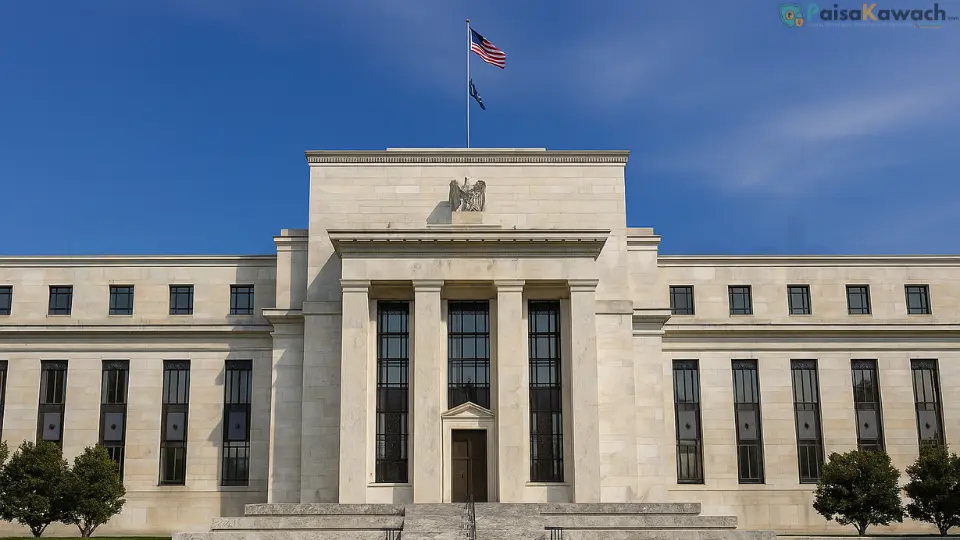
When most people hear about the U.S. Federal Reserve raising or cutting interest rates, they think of American mortgages, credit cards, and Wall Street trading floors. But in reality, the Fed’s decisions reach far beyond U.S. borders. A single statement from Washington can shake stock exchanges in Tokyo, trigger currency swings in Brazil, and alter borrowing costs in Africa. This is because the U.S. dollar is the world’s dominant currency, and the Federal Reserve acts—whether by choice or circumstance—as the planet’s most powerful central bank.
In this article, we’ll unpack why Fed interest rate changes affect the whole world economy, using history, real-world examples, and simple explanations to help global readers understand the ripple effects.
What the Federal Reserve Actually Does
The Federal Reserve, often simply called “the Fed,” is America’s central bank. Its key responsibilities include:
- Setting monetary policy through interest rates and open market operations
- Managing inflation by keeping price increases stable and predictable
- Supporting employment through policies that encourage sustainable job growth
- Ensuring financial stability by regulating banks and intervening during crises
The most watched tool is the federal funds rate, the short-term rate at which banks lend to each other. When the Fed changes this rate, it influences borrowing costs across the U.S. economy and—because of the dollar’s dominance—around the globe.
Why the Fed’s Decisions Ripple Worldwide
1. The U.S. Dollar Is the World’s Reserve Currency
Roughly 60% of global foreign exchange reserves and over 80% of international trade transactions are conducted in U.S. dollars. When the Fed raises rates:
- Higher yields attract global capital into U.S. assets
- The dollar strengthens against other currencies
- Import costs rise for countries that rely on dollar-based trade
Conversely, when the Fed cuts rates, capital often flows out of the U.S., weakening the dollar and benefiting some emerging markets.
2. Global Financial Markets Are Interconnected
Stock markets from New York to Mumbai are tied through institutional investors, ETFs, and cross-border funds. A Fed rate hike makes U.S. equities relatively more attractive, sometimes pulling capital away from foreign stocks. Rate cuts can spark rallies in risk assets worldwide as liquidity expands.
3. Commodities Like Oil and Gold React Instantly
Because commodities are priced in dollars, any shift in the Fed’s stance immediately moves prices. A strong dollar (from higher rates) usually pushes oil and gold prices down, while a weaker dollar (from cuts) can fuel commodity rallies.
4. Global Debt Is Tied to U.S. Rates
Trillions of dollars in emerging-market debt are denominated in U.S. dollars. When the Fed hikes rates and strengthens the dollar, it becomes more expensive for these countries to repay debt. Rate cuts relieve some of this pressure.
Historical Case Studies: How the Fed Shaped the World
The 2013 “Taper Tantrum”
When the Fed hinted it would slow its bond-buying program, investors pulled money from emerging markets. Countries like India, Brazil, and Indonesia saw their currencies plunge, proving how sensitive global capital is to Fed signals.
COVID-19 Crisis (2020)
In response to the pandemic, the Fed slashed rates to near zero and pumped liquidity into markets. The result was not just a U.S. stock rally, but a surge in global equities, a boom in commodity demand, and a flood of capital into emerging economies.
September 2025: The First Rate Cut of the Year
With U.S. job growth slowing, the Fed cut rates by 25 basis points. Within hours, Asian stock markets swung, European bond yields shifted, and currencies from Mexico to South Korea adjusted. Once again, the Fed showed its influence goes far beyond America’s borders.
Winners and Losers When the Fed Changes Rates
Who Benefits When Rates Are Cut?
- Borrowers and businesses seeking cheap credit
- Emerging markets with high dollar debt burdens
- Global stock markets that thrive on liquidity
Who Suffers When Rates Rise?
- Export-driven countries facing weaker demand
- Developing economies with currency devaluation pressures
- Savers, who often see returns eroded by inflation if hikes lag
How Central Banks Worldwide React to the Fed
Other central banks often follow the Fed, either by adjusting their own rates or through interventions to stabilize currencies. For example:
- The European Central Bank often mirrors Fed signals to protect the euro
- Asian central banks intervene in forex markets to manage volatility
- Smaller economies with open trade structures are forced to align policy to avoid capital flight
Everyday Examples of Fed Influence Abroad
Consider these real-life scenarios:
- A family in South Africa sees higher fuel prices when the dollar strengthens after a Fed hike.
- An Indian tech company with dollar loans faces higher repayment costs when U.S. rates rise.
- A Brazilian farmer earns more from soybean exports when Fed cuts weaken the dollar, boosting global commodity demand.
What Global Readers Should Watch
If you live outside the U.S., these are the key Fed-related events to follow:
- Monthly U.S. jobs reports (signal Fed’s next move)
- Inflation releases (CPI, PCE index)
- Federal Reserve meeting dates and Powell’s press conferences
- Global capital flow data in emerging markets
Conclusion: The Fed as the World’s Central Bank
The Federal Reserve was designed to serve the U.S., but in today’s interconnected financial system, its decisions influence everyone. From global trade to household borrowing costs in faraway countries, a single Fed rate cut or hike creates ripple effects that shape the world economy. Understanding this reality empowers investors, businesses, and ordinary citizens to prepare and adapt.
Keep Reading: More Personal Finance Insights
 Currency Exchange Basics: Why ₹88.16 = $1 and How Forex Impacts Everyone
Next →
Currency Exchange Basics: Why ₹88.16 = $1 and How Forex Impacts Everyone
Next →
 Building a Diversified Investment Portfolio: Tips and Strategies for 2025
Comments
No comments yet. Be the first to comment!