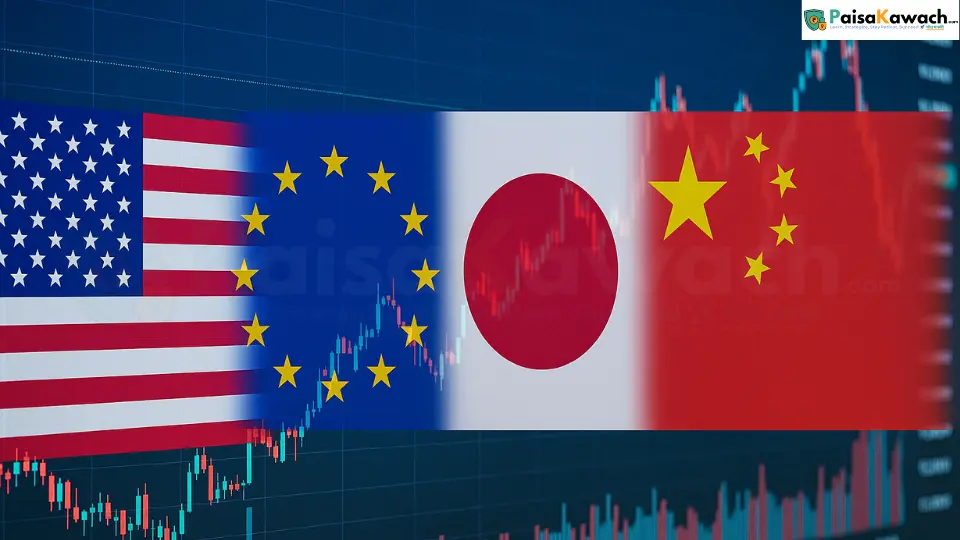
Global Markets in Turmoil: How U.S.–China Trade Tensions Are Shaping the Economic Landscape in 2025
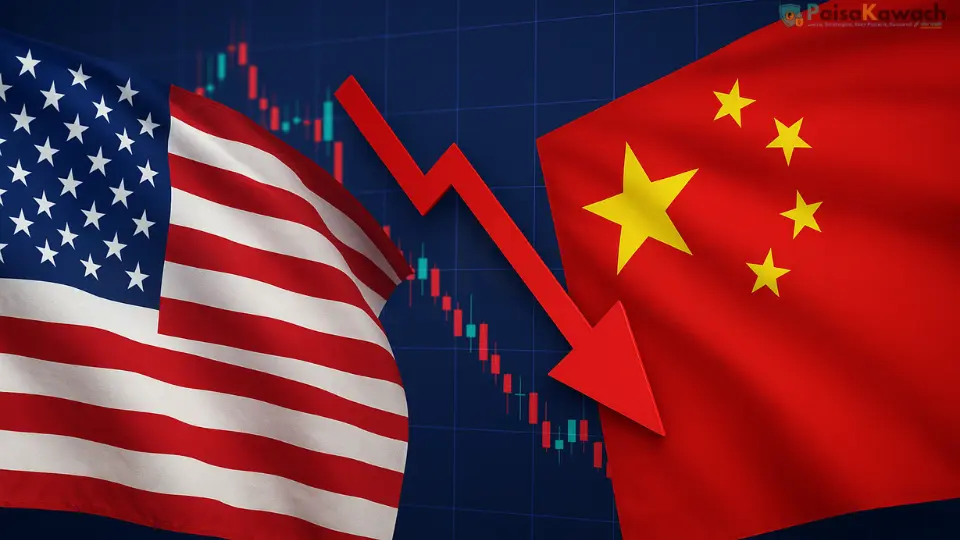
Renewed trade tensions between the United States and China have sent shockwaves through global markets. The U.S. has threatened to impose 100% tariffs on Chinese imports, while China has responded with export restrictions on critical materials. These developments have led to significant declines in stock indices, fluctuations in commodity prices, and shifts in currency values worldwide.
Stock Market Volatility
Asian markets were particularly affected by the escalating trade tensions. On October 13, the Shanghai Composite and CSI300 indices both declined nearly 2%, while Hong Kong’s Hang Seng dropped more than 2%. Investor concerns over a deepening trade war and its potential impact on economic growth are driving these losses.
In the United States, stock futures showed signs of recovery following remarks from President Trump suggesting the U.S. does not intend to harm China. However, overall market sentiment remains cautious as investors await further developments.
Commodity Price Fluctuations
Uncertainty surrounding the trade war has also impacted commodity markets. Oil prices partially rebounded on October 13, recovering from five-month lows amid optimism that potential talks between the U.S. and China could ease tensions. Brent crude rose by 1.47% to $63.65 per barrel, while U.S. West Texas Intermediate (WTI) climbed 1.51% to $59.79 per barrel.
Gold, traditionally seen as a safe-haven asset, surged to $4,060 per troy ounce, extending its year-to-date gain of over 50%. This increase reflects investor concerns over economic instability and potential escalation in trade tensions.
Currency Market Movements
In currency markets, the Chinese yuan experienced fluctuations in response to renewed trade tensions. On October 13, the yuan edged higher against the U.S. dollar, recovering some of the sharp losses from the previous session. The rebound was attributed to a stronger midpoint guidance rate set by China’s central bank, which helped ease investor concerns.
The U.S. dollar remained steady as markets focused on the evolving trade situation and its potential impact on economic policies.
Global Trade Implications
The ongoing trade war has broader implications for global trade relations. China’s exports to the U.S. declined by 27% year-on-year in September 2025, marking the sixth consecutive monthly drop. In response, China has diversified its export markets, with shipments to Southeast Asia, Latin America, and Africa showing strong growth.
Despite the challenges, China’s global exports surged by 8.3% to $328.5 billion in September, reaching a six-month high and surpassing economists’ expectations. This indicates China’s efforts to mitigate the impact of U.S. tariffs by expanding its presence in other international markets.
Conclusion
The renewed U.S.–China trade tensions in October 2025 have introduced significant uncertainties into global markets. While some sectors are experiencing short-term rebounds, the overall economic outlook remains cautious. Investors and policymakers will need to monitor developments closely, as the situation continues to evolve and its long-term impacts become clearer.
Keep Reading: More Insights You Might Like
 Trump Slaps 100% Tariff on Chinese Goods as Trade War Reignites
Next →
Trump Slaps 100% Tariff on Chinese Goods as Trade War Reignites
Next →
 Google’s $10 Billion Investment in Andhra Pradesh to Power India’s AI and Data Revolution
Comments
No comments yet. Be the first to comment!