Trump Slaps 100% Tariff on Chinese Goods as Trade War Reignites
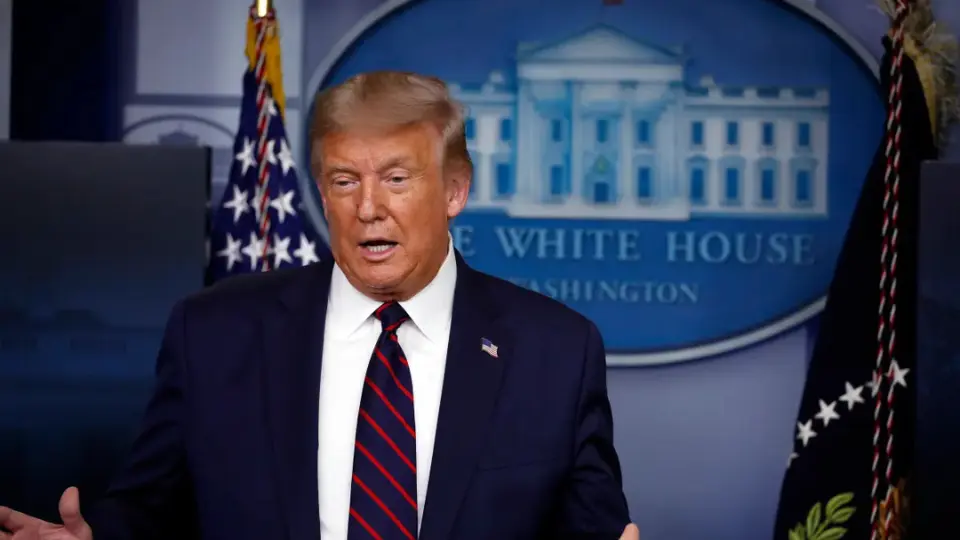
Washington, D.C. — The global trade landscape was rocked again on Saturday as U.S. President Donald Trump announced sweeping new trade measures targeting China, including a 100% tariff on all Chinese imports starting November 1, 2025 — or sooner. The move marks the sharpest escalation in U.S.–China trade tensions since the original tariff conflict of 2018.
New Wave of Tariffs and Tech Restrictions
President Trump, speaking at a White House press briefing, said the decision was necessary to counter China’s “unfair trade practices” and growing dominance in critical technology sectors. He accused Beijing of “systematically undermining American innovation through intellectual property theft and market manipulation.”
“This is not just about trade — it’s about protecting American technology, data, and sovereignty,” Trump stated during his address. He confirmed that the Commerce Department will roll out new export controls on U.S. software, chip design tools, and AI platforms to restrict Chinese access to sensitive technologies.
Under the order, several U.S. firms involved in semiconductor design, cloud computing, and data encryption could face stricter licensing rules before exporting or collaborating with Chinese entities. Industry analysts warn this could further fragment the global tech ecosystem.
China’s Potential Retaliation
While Beijing has not issued an official statement, sources cited by Reuters and Financial Times indicate that China is preparing countermeasures. These may include limits on U.S. semiconductor imports and potential curbs on rare earth mineral exports — materials critical to electronics and defense manufacturing.
Economists caution that another round of tariff escalation could disrupt global supply chains, raise consumer prices, and slow post-pandemic economic recovery worldwide.
Impact on Global Markets
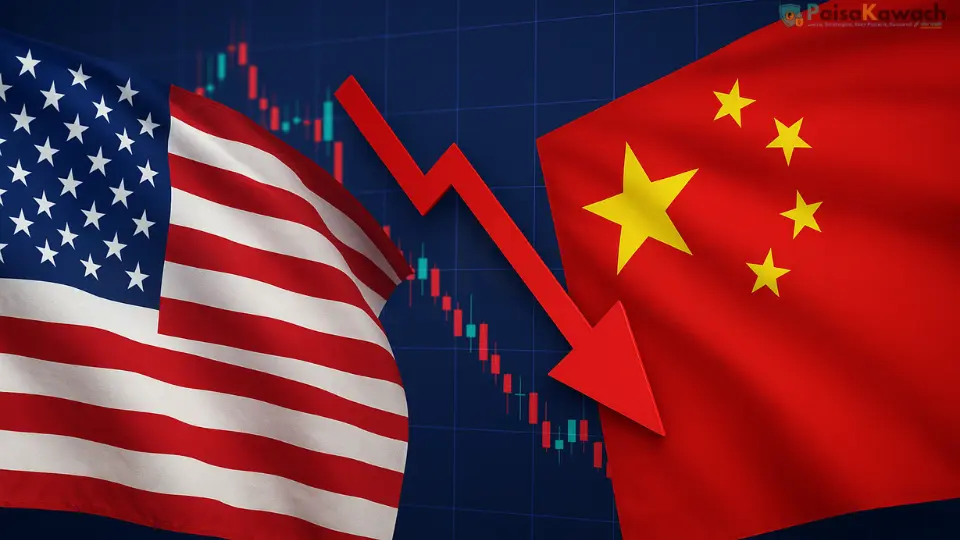
The announcement immediately sent shockwaves through global financial markets. The S&P 500 fell 2.7%, the Nasdaq dropped 3.6%, and the Dow Jones lost nearly 2% amid fears of renewed inflation and corporate uncertainty.
- Technology stocks were hit hardest, with semiconductor firms leading losses.
- Asian markets followed suit, with the Nikkei 225 and Hang Seng both sliding over 1.8%.
- Commodities saw brief volatility, as investors fled to gold and the U.S. dollar.
Experts say this move could realign global manufacturing networks, prompting American and European firms to shift supply chains away from China toward countries like Vietnam, Mexico, and India.
Wider Economic Implications
Beyond trade, the decision intensifies the strategic rivalry between the world’s two largest economies. It also reflects Washington’s broader push to reduce dependency on China in advanced manufacturing, energy storage, and AI-driven systems.
“The message is clear — economic security is now national security,” said a senior U.S. trade official on background, emphasizing the administration’s intention to safeguard American competitiveness in next-generation industries.
For global investors, the focus now turns to China’s response and how swiftly multinational companies can adapt to a potentially bifurcated tech ecosystem.
Keep Reading: More Insights You Might Like
 TCS Acquires US-Based ListEngage for $73 Million to Boost Salesforce and AI Capabilities
Next →
TCS Acquires US-Based ListEngage for $73 Million to Boost Salesforce and AI Capabilities
Next →
 Global Markets in Turmoil: How U.S.–China Trade Tensions Are Shaping the Economic Landscape in 2025
Comments
No comments yet. Be the first to comment!