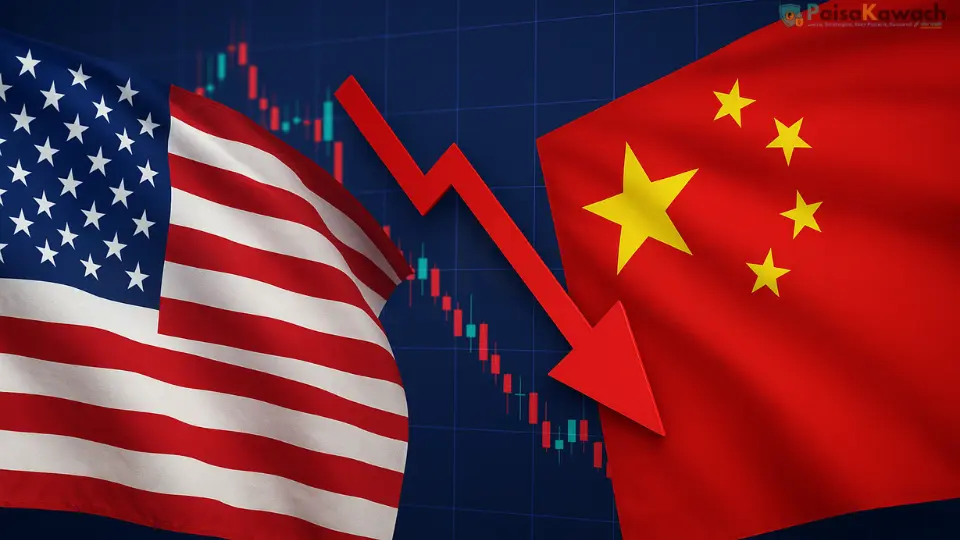
Global Pre-Market Context for Indian Equities as Global Risk Sentiment Remains Cautious

Indian equity markets enter the trading session against a backdrop of cautious global sentiment, following a risk-averse close in major US indices and subdued early trade across Asian markets. Global investors continue to assess macroeconomic and policy-related uncertainties, which has kept risk appetite restrained across regions. For Indian markets, the focus remains on how external risk signals interact with domestic participation and sectoral positioning.
While global cues are not signaling directional clarity, they provide important context for understanding liquidity conditions, volatility expectations, and cross-asset behavior as the session unfolds.
Overnight Global Market Developments
US equity markets closed lower in the previous session, with all three major indices ending in negative territory. Technology and growth-oriented segments underperformed, reflecting continued sensitivity to global risk factors. The broader tone suggested defensive positioning rather than panic-driven activity.
Risk indicators remained mixed. US Treasury yields edged higher, while the US dollar traded in a relatively stable range. Crude oil prices showed limited movement, indicating the absence of fresh supply-side or demand shocks. Volatility levels remained elevated, underscoring persistent uncertainty in global markets.
Global Snapshot
- US equities: Broadly lower with defensive tone
- Volatility: Elevated compared to recent averages
- Commodities: Crude oil largely stable
- Currency markets: Dollar trading in a narrow range
Asian Market Tone in Early Trade
Asian equity markets opened with a mixed to negative bias. Japanese equities traded lower, tracking the overnight weakness in US markets. Hong Kong equities also opened softer, reflecting global risk aversion and regional uncertainties. Mainland Chinese markets, however, showed relatively flat performance, indicating localized stability despite broader global caution.
The divergence across Asian markets highlights a selective approach to risk rather than uniform selling pressure.
What This Means for Indian Markets
For Indian equities, the global setup suggests a cautious external environment rather than a strong directional signal. Elevated volatility and rising global yields may influence short-term positioning, while stable commodity prices reduce immediate inflationary or cost-related pressures.
Market participants are likely to remain selective, with attention on stock-specific developments and sectoral rotation rather than broad index-driven moves. The global backdrop emphasizes risk management and participation quality over momentum.
Global Comparison and Perspective
Compared with other emerging markets, India continues to display relative structural stability, supported by domestic participation and internal market dynamics. While global peers remain sensitive to external shocks, Indian markets have so far shown the ability to absorb global volatility without significant dislocation.
According to Reuters, global investors remain cautious amid shifting policy expectations and geopolitical developments, a theme that continues to influence cross-border capital flows.
What to Watch Going Forward
Key areas to monitor include global volatility trends, movements in US bond yields, and currency stability. Additionally, any escalation in global policy or geopolitical developments could alter risk perception across markets.
From a domestic perspective, the interaction between global cues and internal market participation will remain central to understanding market behavior in the near term.
Keep Reading: More Insights You Might Like
 Global Markets Slide as US–Europe Trade Tensions Trigger Risk-Off Sentiment
Next →
Global Markets Slide as US–Europe Trade Tensions Trigger Risk-Off Sentiment
Next →
 Rupee Faces Heightened Volatility as Currency Pressure Takes Center Stage Ahead of Market Trade
Comments
No comments yet. Be the first to comment!