India Imposes 12% Safeguard Duty on Steel Imports to Protect Domestic Industry from Cheap Chinese Supply
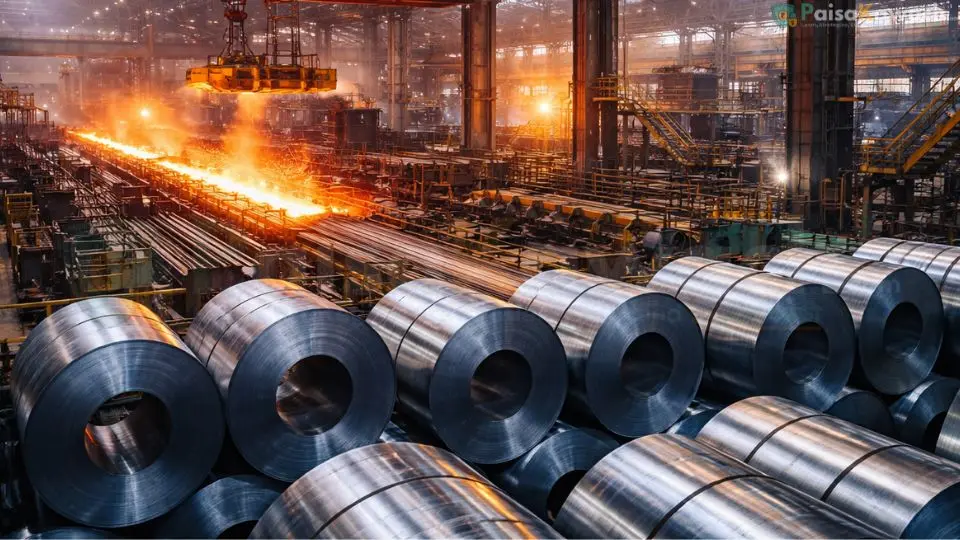
In a decisive move to protect the domestic steel sector, the Indian government has imposed a 12% safeguard duty on select steel imports for a period of three years. The decision aims to shield local manufacturers from a surge in low-priced foreign steel, particularly imports originating from China.
The safeguard tariff has come into effect immediately and applies to specific categories of finished steel products that have witnessed a sharp rise in import volumes over the past year.
Why the Safeguard Duty Was Introduced
India’s steel industry has been under pressure due to aggressive pricing by overseas producers. Cheaper imports were impacting domestic steelmakers’ profitability, reducing capacity utilization, and discouraging fresh investment.
Industry data showed that a sudden influx of low-cost steel was causing serious injury to Indian manufacturers, prompting authorities to step in with temporary protection.
“The safeguard duty is meant to provide immediate relief to domestic steel producers facing unfair competition from imported steel,” a senior official familiar with the matter said.
Impact on Domestic Steel Manufacturers
The new tariff is expected to offer much-needed breathing space to Indian steel companies, especially small and mid-sized producers who are more exposed to price undercutting.
- Stabilization of domestic steel prices
- Improved plant capacity utilization
- Reduced pressure from dumped imports
- Better environment for long-term investment
Large integrated steel producers are also likely to benefit as pricing discipline improves across the market.
Effect on Infrastructure and End Consumers
Experts believe the safeguard duty will have a limited impact on infrastructure projects and end consumers. India currently has sufficient domestic steel production capacity to meet demand from construction, housing, railways, and manufacturing sectors.
While marginal price adjustments cannot be ruled out, analysts do not expect any major disruption to ongoing infrastructure development.
Global Trade Context
The move comes at a time when several countries are tightening trade measures to address global steel overcapacity. Excess production and aggressive exports from major steel-producing nations have distorted international markets.
Safeguard duties are permitted under global trade rules when a sudden surge in imports threatens serious injury to domestic industries, making India’s action legally compliant.
Trade experts note that such measures are increasingly being used worldwide to balance open trade with domestic industrial protection.
Outlook for India’s Steel Sector
With the safeguard duty in place until 2028, Indian steel manufacturers are expected to focus on operational efficiency, cost control, and higher-value steel products. The policy is also aligned with India’s broader push for self-reliance in manufacturing.
Market participants will closely track how import volumes, domestic prices, and capacity utilization evolve in the coming quarters.
Keep Reading: More Insights You Might Like
 SoftBank Group to Acquire DigitalBridge for $4 Billion to Scale AI Infrastructure Globally
Next →
SoftBank Group to Acquire DigitalBridge for $4 Billion to Scale AI Infrastructure Globally
Next →
 US Approves Chipmaking Tool Exports to China Under New Annual Licensing System
Comments
No comments yet. Be the first to comment!